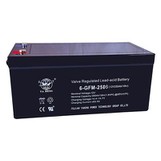
Hey there! As a supplier of UPS batteries, I often get asked about the ripple current tolerance of a UPS battery. So, I thought I'd take a few minutes to break it down for you.
First off, let's talk about what ripple current is. In a nutshell, ripple current is the alternating current (AC) component that rides on top of the direct current (DC) in a circuit. In a UPS system, this can come from things like the inverter, which converts DC power from the battery into AC power for your devices.
Now, why is ripple current tolerance important? Well, if the ripple current exceeds the battery's tolerance, it can cause all sorts of problems. For starters, it can lead to increased heat generation in the battery. And as we all know, heat is the enemy of batteries. It can speed up the chemical reactions inside the battery, causing it to degrade faster and reducing its overall lifespan.
Another issue is that excessive ripple current can cause uneven charging and discharging in the battery cells. This can lead to something called cell imbalance, where some cells are overcharged while others are undercharged. Over time, this can further damage the battery and reduce its capacity.
So, how do you know what the ripple current tolerance of a UPS battery is? Well, most battery manufacturers will specify this in the product datasheet. It's usually given in terms of amperes (A) or milliamperes (mA) and indicates the maximum amount of ripple current that the battery can handle without being damaged.
When choosing a UPS battery, it's important to make sure that its ripple current tolerance is compatible with your UPS system. If you're not sure, you can always consult with a professional or the battery manufacturer.
Now, let's talk about some factors that can affect the ripple current tolerance of a UPS battery. One of the biggest factors is the type of battery. Different battery chemistries have different ripple current tolerances. For example, lead-acid batteries generally have a lower ripple current tolerance compared to lithium-ion batteries.


The design of the UPS system also plays a role. Some UPS systems are designed to minimize ripple current, while others may generate more. It's important to choose a UPS system that is compatible with your battery's ripple current tolerance.
Another factor is the operating temperature. As I mentioned earlier, heat can have a negative impact on a battery's performance. High operating temperatures can reduce the battery's ripple current tolerance and increase the risk of damage.
So, what can you do to ensure that your UPS battery is operating within its ripple current tolerance? Here are a few tips:
- Choose the right battery: Make sure that the battery you choose has a ripple current tolerance that is compatible with your UPS system.
- Monitor the ripple current: Use a ripple current meter to monitor the ripple current in your UPS system. If you notice that the ripple current is exceeding the battery's tolerance, take action to reduce it.
- Keep the battery cool: Make sure that the battery is installed in a well-ventilated area and that the operating temperature is within the recommended range.
- Follow the manufacturer's recommendations: Always follow the manufacturer's recommendations for charging, discharging, and maintenance of the battery.
As a UPS battery supplier, we offer a wide range of high-quality UPS Power Battery that are designed to handle different levels of ripple current. Our batteries are made from the best materials and are rigorously tested to ensure their performance and reliability.
Whether you need a battery for an On-line UPS or a Jump Starter Battery, we've got you covered. Our team of experts is always on hand to help you choose the right battery for your needs and to answer any questions you may have.
If you're in the market for a UPS battery, don't hesitate to get in touch with us. We'd love to help you find the perfect battery for your system and to ensure that it operates safely and efficiently.
In conclusion, understanding the ripple current tolerance of a UPS battery is crucial for ensuring its long-term performance and reliability. By choosing the right battery, monitoring the ripple current, and following the manufacturer's recommendations, you can help to extend the lifespan of your battery and avoid costly repairs and replacements.
If you have any questions or would like to learn more about our UPS batteries, please don't hesitate to contact us. We're here to help you make the best choice for your power needs.
References
- Battery University: A comprehensive resource for battery knowledge and information.
- Manufacturer's product datasheets: These provide detailed information about the specifications and performance of UPS batteries.