Accurately measuring the capacity of a telecom battery is crucial for ensuring the reliable operation of a telecom network. As a telecom battery supplier, I understand the significance of this process and have gained extensive experience in this field. In this blog, I will share some effective methods and considerations for measuring the capacity of a telecom battery accurately.
Understanding Telecom Battery Basics
Before delving into the measurement methods, it's essential to understand the basic components and functions of a telecom battery system. A typical Telecom Power System consists of a battery bank, chargers, and monitoring equipment. The Telecom Battery Bank stores electrical energy and provides power to the telecom equipment during power outages or when the main power supply is unstable.
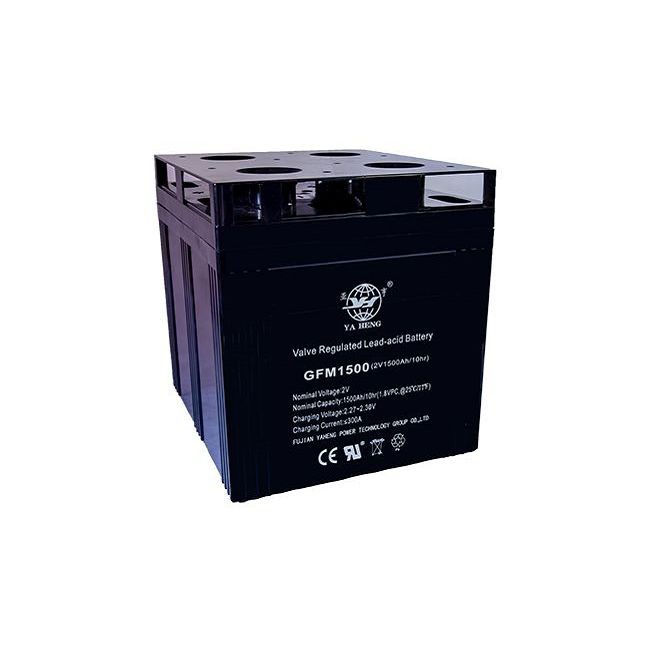
One of the commonly used types of telecom batteries is the OPzV Battery. OPzV batteries are valve-regulated lead-acid (VRLA) batteries known for their long service life, high reliability, and excellent performance in harsh environments. These batteries are widely used in telecom applications due to their ability to provide stable power over an extended period.
Importance of Accurate Capacity Measurement
Accurate capacity measurement of a telecom battery is essential for several reasons. Firstly, it helps in determining the remaining useful life of the battery. By knowing the actual capacity of the battery, telecom operators can plan for battery replacement in a timely manner, avoiding unexpected power failures that could disrupt the network.
Secondly, accurate capacity measurement ensures that the battery can meet the power requirements of the telecom equipment. Telecom networks have specific power demands, and if the battery capacity is insufficient, it may lead to equipment malfunctions or downtime.
Finally, accurate capacity measurement is crucial for maintaining the overall efficiency of the telecom power system. By monitoring the battery capacity regularly, operators can identify any issues early on and take appropriate measures to optimize the system's performance.
Methods for Measuring Telecom Battery Capacity
1. Discharge Test
The discharge test is one of the most accurate methods for measuring the capacity of a telecom battery. This method involves discharging the battery at a constant current until it reaches a predefined cut-off voltage. The capacity of the battery is then calculated based on the discharge current and the time taken for the discharge.
To perform a discharge test, the following steps are typically followed:
- Prepare the Test Equipment: Ensure that the discharge tester, ammeter, voltmeter, and temperature sensor are properly calibrated and functioning correctly.
- Isolate the Battery: Disconnect the battery from the telecom power system to prevent any interference during the test.
- Set the Discharge Current: Determine the appropriate discharge current based on the battery's specifications. The discharge current should be within the recommended range to avoid over-discharging the battery.
- Start the Discharge Test: Begin the discharge process and record the initial voltage, current, and temperature of the battery. Monitor the battery voltage and current continuously during the test.
- Stop the Test: When the battery voltage reaches the predefined cut-off voltage, stop the discharge test. Record the final voltage, current, and temperature of the battery, as well as the total discharge time.
- Calculate the Capacity: Calculate the capacity of the battery using the formula: Capacity (Ah) = Discharge Current (A) x Discharge Time (h).
It's important to note that the discharge test should be performed under controlled conditions to ensure accurate results. The temperature of the battery can significantly affect its capacity, so it's recommended to perform the test at a constant temperature within the battery's specified operating range.
2. Impedance Measurement
Impedance measurement is another method used to estimate the capacity of a telecom battery. This method involves measuring the internal resistance or impedance of the battery. As a battery ages or its capacity decreases, its internal impedance tends to increase.
To measure the impedance of a battery, a specialized impedance meter is used. The impedance meter applies a small AC signal to the battery and measures the resulting voltage and current. The impedance of the battery is then calculated based on the measured voltage and current.
While impedance measurement is a quick and non-invasive method, it provides only an estimate of the battery capacity. The relationship between impedance and capacity is not always linear, and other factors such as temperature, state of charge, and battery chemistry can also affect the impedance measurement. Therefore, impedance measurement should be used in conjunction with other methods for more accurate capacity assessment.
3. Battery Monitoring Systems
Battery monitoring systems are becoming increasingly popular for measuring the capacity of telecom batteries. These systems use advanced sensors and algorithms to continuously monitor the battery's voltage, current, temperature, and other parameters.
A battery monitoring system can provide real-time information about the battery's state of charge, state of health, and remaining useful life. By analyzing the data collected by the monitoring system, operators can accurately estimate the battery capacity and detect any potential issues early on.
Some battery monitoring systems also have the ability to perform automated discharge tests and impedance measurements, providing a comprehensive assessment of the battery's performance.
Considerations for Accurate Capacity Measurement
In addition to choosing the appropriate measurement method, there are several other considerations that can affect the accuracy of telecom battery capacity measurement.
1. Temperature
As mentioned earlier, temperature has a significant impact on the capacity of a telecom battery. Most batteries have a specified operating temperature range, and the capacity of the battery can vary depending on the temperature. Therefore, it's important to measure the battery capacity at a constant temperature within the recommended range.
If the temperature is not controlled during the measurement, the results may be inaccurate. To account for the temperature effect, some battery capacity measurement methods include temperature compensation factors in the calculations.
2. State of Charge
The state of charge (SOC) of the battery also affects its capacity measurement. A battery's capacity is typically specified at a fully charged state. Therefore, it's important to ensure that the battery is fully charged before performing the capacity measurement.
If the battery is not fully charged, the measured capacity may be lower than the actual capacity. To accurately measure the capacity, the battery should be charged to its full capacity and allowed to rest for a sufficient period to stabilize the voltage.
3. Battery Age and Condition
The age and condition of the battery can also affect its capacity measurement. As a battery ages, its capacity tends to decrease due to factors such as sulfation, plate corrosion, and electrolyte loss.
In addition, the condition of the battery, such as the presence of internal shorts or open circuits, can also affect the capacity measurement. Therefore, it's important to inspect the battery visually and perform other diagnostic tests to ensure that it is in good condition before performing the capacity measurement.
Conclusion
Accurately measuring the capacity of a telecom battery is crucial for ensuring the reliable operation of a telecom network. As a telecom battery supplier, I recommend using a combination of methods, such as discharge tests, impedance measurements, and battery monitoring systems, to obtain the most accurate results.

By following the proper measurement procedures and considering the factors that can affect the measurement, telecom operators can effectively monitor the battery capacity and take appropriate measures to maintain the overall efficiency of the telecom power system.
If you are in need of high-quality telecom batteries or have any questions about battery capacity measurement, please feel free to contact us for a consultation. We are committed to providing our customers with the best products and services to meet their telecom power needs.
References
- Battery Council International (BCI). Battery Testing and Maintenance Guidelines.
- International Electrotechnical Commission (IEC). Standards for Lead-Acid Batteries.
- Telecom Industry Association (TIA). Guidelines for Telecom Power Systems.