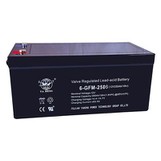
In the realm of uninterruptible power supply (UPS) systems, small UPS batteries play a crucial role in providing reliable backup power. As a supplier of small UPS batteries, I've encountered numerous inquiries regarding the internal resistance of these batteries. In this blog post, I aim to delve into the concept of internal resistance, its significance, and how it impacts the performance of small UPS batteries.
Understanding Internal Resistance
Internal resistance is an inherent characteristic of any battery, including small UPS batteries. It represents the opposition to the flow of electric current within the battery itself. When a battery is discharging or charging, the internal resistance causes a voltage drop, which affects the battery's ability to deliver or accept electrical energy efficiently.
The internal resistance of a battery is primarily determined by several factors, including the battery's chemistry, construction, and state of charge. Different battery chemistries, such as lead-acid, lithium-ion, and nickel-cadmium, have varying levels of internal resistance. For instance, lead-acid batteries typically have higher internal resistance compared to lithium-ion batteries, which is one of the reasons why lithium-ion batteries are often preferred for high-performance applications.
The construction of the battery also plays a significant role in determining its internal resistance. Factors such as the electrode materials, electrolyte composition, and the physical design of the battery can all influence the internal resistance. Additionally, the state of charge of the battery can affect its internal resistance. As a battery discharges, its internal resistance tends to increase, which can lead to a decrease in the battery's performance and capacity.
Significance of Internal Resistance in Small UPS Batteries
The internal resistance of a small UPS battery has several important implications for its performance and reliability. Here are some key points to consider:
1. Voltage Drop
As mentioned earlier, the internal resistance of a battery causes a voltage drop when current flows through it. This voltage drop can reduce the output voltage of the battery, which can affect the performance of the connected equipment. In a UPS system, a significant voltage drop can lead to a decrease in the available backup power, potentially causing the connected devices to malfunction or shut down prematurely.
2. Efficiency
The internal resistance of a battery also affects its efficiency. When current flows through the battery, some of the electrical energy is dissipated as heat due to the internal resistance. This energy loss reduces the overall efficiency of the battery, which means that less energy is available for the connected equipment. A battery with high internal resistance will have lower efficiency and may require more frequent charging to maintain its performance.
3. Battery Life
The internal resistance of a battery can also impact its lifespan. As a battery ages, its internal resistance tends to increase, which can lead to a decrease in its capacity and performance. High internal resistance can also cause the battery to heat up during charging and discharging, which can accelerate the degradation of the battery's components and reduce its overall lifespan.
4. Charging and Discharging Performance
The internal resistance of a battery affects its charging and discharging performance. A battery with high internal resistance may take longer to charge and may not be able to deliver its full capacity during discharging. This can be particularly problematic in applications where rapid charging and discharging are required, such as in a UPS system that needs to provide backup power during a power outage.
Measuring Internal Resistance
Measuring the internal resistance of a small UPS battery is an important step in assessing its performance and health. There are several methods available for measuring internal resistance, including the following:
1. DC Load Method
The DC load method involves applying a known DC load to the battery and measuring the voltage drop across the battery terminals. By using Ohm's law (V = IR), the internal resistance of the battery can be calculated. This method is relatively simple and can provide a rough estimate of the internal resistance.
2. AC Impedance Method
The AC impedance method involves applying a small AC signal to the battery and measuring the impedance of the battery at different frequencies. This method is more accurate than the DC load method and can provide detailed information about the battery's internal resistance and other electrical characteristics.
3. Battery Analyzers
Battery analyzers are specialized devices that can measure the internal resistance of a battery along with other parameters such as voltage, capacity, and state of charge. These devices are typically more accurate and reliable than the DIY methods and can provide comprehensive information about the battery's performance and health.
Managing Internal Resistance in Small UPS Batteries
As a small UPS battery supplier, I understand the importance of managing internal resistance to ensure the optimal performance and reliability of our batteries. Here are some tips for managing internal resistance in small UPS batteries:
1. Choose the Right Battery Chemistry
Different battery chemistries have different levels of internal resistance. When selecting a small UPS battery, it's important to choose a battery chemistry that is suitable for your application. For example, if you require high-performance and long-lasting batteries, lithium-ion batteries may be a better choice than lead-acid batteries.
2. Maintain Proper Charging and Discharging Practices
Proper charging and discharging practices can help to minimize the internal resistance of a battery and extend its lifespan. Avoid overcharging or undercharging the battery, as this can cause damage to the battery's components and increase its internal resistance. It's also important to follow the manufacturer's recommendations for charging and discharging the battery.


3. Monitor Battery Performance
Regularly monitoring the performance of your small UPS batteries can help you to detect any changes in internal resistance and other parameters. Use a battery analyzer or other monitoring device to measure the internal resistance, voltage, capacity, and state of charge of the batteries on a regular basis. This can help you to identify any potential issues early on and take appropriate action to prevent battery failure.
4. Replace Old Batteries
As batteries age, their internal resistance tends to increase, which can lead to a decrease in their performance and capacity. It's important to replace old batteries with new ones to ensure the optimal performance and reliability of your UPS system. Follow the manufacturer's recommendations for battery replacement intervals and replace the batteries as needed.
Conclusion
In conclusion, the internal resistance of a small UPS battery is an important factor that affects its performance, efficiency, and lifespan. Understanding the concept of internal resistance and its significance can help you to make informed decisions when selecting, using, and maintaining small UPS batteries. By choosing the right battery chemistry, maintaining proper charging and discharging practices, monitoring battery performance, and replacing old batteries, you can ensure the optimal performance and reliability of your small UPS batteries.
If you're in the market for high-quality small UPS batteries, I invite you to explore our range of products. We offer a wide selection of Jump Starter Battery, On-line UPS, and Power Supply Battery solutions to meet your specific needs. Our batteries are designed to provide reliable backup power and are backed by our commitment to quality and customer satisfaction.
If you have any questions or would like to discuss your battery requirements, please don't hesitate to contact us. We're here to help you find the right battery solution for your application and to ensure that you get the most out of your investment.
References
- Linden, D., & Reddy, T. B. (2002). Handbook of Batteries (3rd ed.). McGraw-Hill.
- Berndt, D. (2000). Lead-Acid Batteries: Science and Technology. Springer.
- Tarascon, J.-M., & Armand, M. (2001). Issues and challenges facing rechargeable lithium batteries. Nature, 414(6861), 359-367.