Hey there, fellow RV enthusiasts! I'm an RV power supplier, and today I'm gonna dive into what a power isolator for an RV is all about. If you've ever hit the road in your RV, you know how crucial it is to have a reliable power system. And that's where power isolators come in.
What's a Power Isolator Anyway?
A power isolator is like a traffic cop for your RV's electrical system. It helps manage the flow of electricity between different power sources and batteries. In simple terms, it keeps things organized so that your RV's electrical components work smoothly.
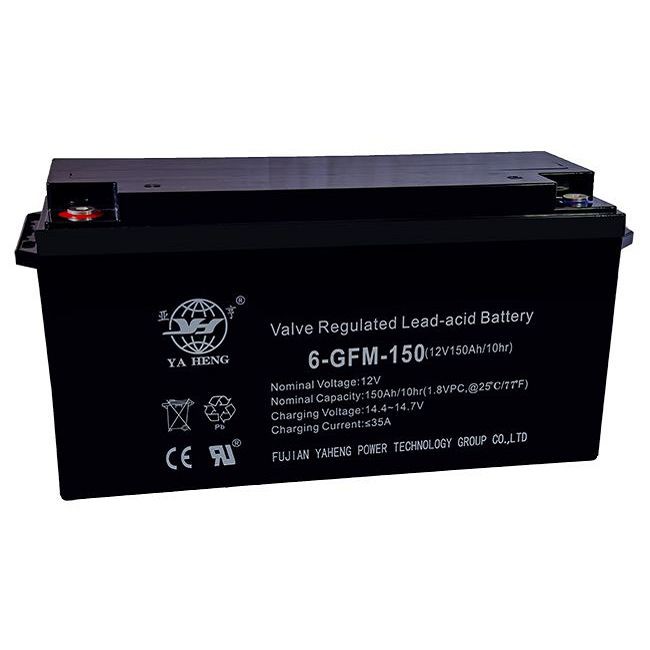

Let's say you have a main battery and a secondary battery in your RV. The power isolator makes sure that when your RV's engine is running, both batteries get charged properly. But it also prevents one battery from draining the other when the engine is off. This is super important because you don't want to wake up in the morning with a dead battery and no power to run your lights, fridge, or other essential appliances.
How Does It Work?
There are a few different types of power isolators, but the most common ones use diodes or solenoids.
Diode - Based Isolators
Diodes are like one - way valves for electricity. They allow current to flow in only one direction. When your RV's alternator is charging the batteries, the diode - based isolator lets the current flow from the alternator to both the main and secondary batteries. But when the engine stops, the diodes prevent the batteries from discharging into each other.
The good thing about diode - based isolators is that they're relatively simple and inexpensive. However, they do have a small voltage drop, which means that a little bit of power is lost as the electricity passes through the diodes.
Solenoid - Based Isolators
Solenoids are electromagnetic switches. When the RV's engine is running, the solenoid closes, connecting the main and secondary batteries so they can both be charged. When the engine stops, the solenoid opens, separating the batteries and preventing them from draining each other.
Solenoid - based isolators are more efficient than diode - based ones because they don't have the voltage drop issue. But they're also a bit more complex and can be more expensive.
Why Do You Need a Power Isolator in Your RV?
Battery Protection
As I mentioned earlier, a power isolator protects your batteries from over - discharging. If you don't have an isolator, the main battery and the secondary battery might end up draining each other, which can significantly reduce their lifespan. And replacing RV batteries can be pretty costly, so it's worth investing in a power isolator to keep your batteries in good shape.
Multiple Power Source Management
Many RVs have multiple power sources, such as the alternator, solar panels, and a shore power connection. A power isolator helps manage the flow of electricity from these different sources. For example, when you're connected to shore power, the isolator can ensure that the batteries are charged properly and that the power is distributed to the right places in your RV.
Appliance Reliability
A stable power supply is essential for the proper functioning of your RV's appliances. A power isolator helps maintain a consistent power flow, which means that your fridge, microwave, and other appliances are less likely to experience power surges or drops. This can prevent damage to your appliances and keep them running smoothly throughout your trip.
Types of RV Power Isolators You Can Consider
Automatic Voltage Sensing (AVS) Isolators
These isolators are smart. They can sense the voltage of your batteries and automatically connect or disconnect them as needed. For example, when the alternator voltage reaches a certain level, the AVS isolator will connect the secondary battery to the charging circuit. When the engine stops and the voltage drops, it will disconnect the batteries to prevent discharging.
Manual Isolators
As the name suggests, manual isolators require you to manually turn them on or off. They're a simple and inexpensive option, but they do require a bit more attention. You need to remember to turn the isolator on when you want to charge the batteries and turn it off when you don't want them to be connected.
Where to Find the Right Power Isolator for Your RV
If you're in the market for a power isolator, there are a few things to consider. First, you need to make sure that the isolator is compatible with your RV's electrical system. Check the voltage and amperage ratings to ensure a proper fit.
As an RV power supplier, I can help you find the perfect power isolator for your needs. And if you're also looking for other power solutions for your RV, we've got some great options. For example, you might be interested in our Camper Power Station, which can provide a reliable source of power when you're off - grid. Or our Camper Power Bank is a convenient way to store and use power on the go. And if you need a long - lasting power source for your camping trips, our Camping Power Battery is a great choice.
Contact Us for Your RV Power Needs
If you're interested in learning more about power isolators or any of our other RV power products, we'd love to hear from you. Whether you're a seasoned RV traveler or just starting out, having the right power system is essential for a great camping experience.
We can offer you expert advice on which power isolator and other power products are best for your RV. So, don't hesitate to reach out to us for a friendly chat and to start the procurement process. Let's work together to make sure your RV has all the power it needs for your next adventure!
References
- "RV Electrical Systems: A Comprehensive Guide" by RV Expert Publications
- "Battery Management in Recreational Vehicles" by Power Solutions Institute