GEL batteries, a type of valve-regulated lead-acid (VRLA) battery, have gained significant popularity in various applications due to their unique characteristics. As a GEL battery supplier, I often encounter questions from customers regarding the gas emissions of these batteries. In this blog, we will delve into the topic of how much gas GEL batteries emit, exploring the factors influencing gas production, the safety aspects, and the implications for different applications.
Understanding GEL Batteries
Before we discuss gas emissions, it's essential to understand what GEL batteries are. GEL batteries are a subtype of VRLA batteries. They use a silica-based gel electrolyte, which immobilizes the sulfuric acid within the battery. This design offers several advantages, including a maintenance-free operation, a low self-discharge rate, and the ability to be installed in various positions without the risk of acid leakage.
GEL batteries are commonly used in applications where reliability and safety are paramount. For instance, they are widely used in Portable Power Bank Battery, providing a stable power source for portable electronic devices. They are also popular in RV Power Bank Battery and RV Power Station Battery systems, where they can withstand the vibrations and harsh conditions associated with recreational vehicles.
Gas Emission Mechanisms in GEL Batteries
During the normal operation of a GEL battery, gas emissions are minimal compared to traditional flooded lead-acid batteries. However, certain electrochemical reactions within the battery can lead to the production of gases, primarily hydrogen (H₂) and oxygen (O₂).
The main source of gas production in GEL batteries is the electrolysis of water in the electrolyte. When the battery is charged, water molecules in the sulfuric acid electrolyte can break down into hydrogen and oxygen gases. This process is more likely to occur when the battery is overcharged or charged at high currents.
The chemical reactions involved in the electrolysis of water are as follows: - At the anode (positive electrode): 2H₂O → O₂ + 4H⁺ + 4e⁻ - At the cathode (negative electrode): 4H⁺ + 4e⁻ → 2H₂
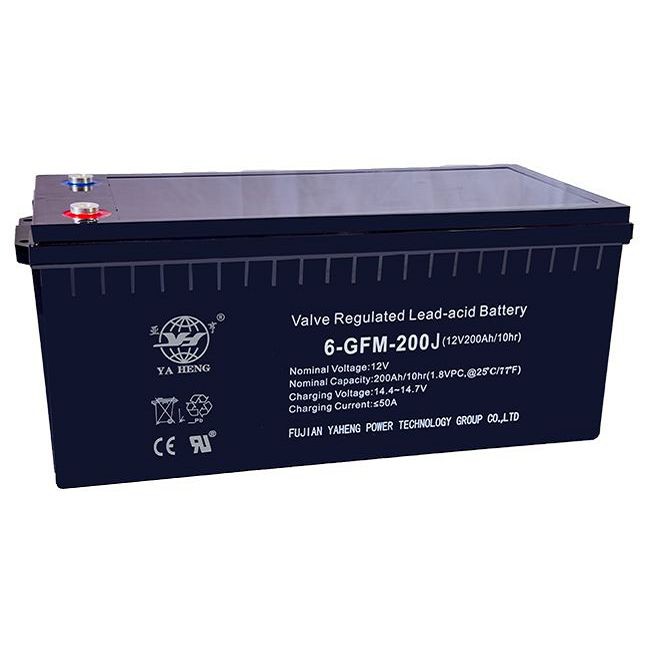
In a well-designed GEL battery, these gases are recombined within the battery to form water through a process called the oxygen recombination cycle. This cycle is made possible by the valve-regulated design of the battery, which allows the oxygen produced at the anode to diffuse to the cathode and react with the hydrogen ions to form water.
Factors Influencing Gas Emissions
Several factors can influence the amount of gas emitted by GEL batteries:
Charging Conditions
Overcharging is the most significant factor contributing to increased gas emissions in GEL batteries. When a battery is overcharged, the charging voltage exceeds the recommended level, causing excessive electrolysis of water and the production of hydrogen and oxygen gases. High charging currents can also accelerate the gas production process.
To minimize gas emissions during charging, it is crucial to use a charger specifically designed for GEL batteries. These chargers are equipped with advanced charging algorithms that can automatically adjust the charging voltage and current based on the battery's state of charge, preventing overcharging.
Temperature
Temperature also plays a crucial role in gas emissions. Higher temperatures can increase the rate of chemical reactions within the battery, leading to more gas production. In addition, high temperatures can reduce the efficiency of the oxygen recombination cycle, allowing more gases to escape from the battery.
To ensure optimal performance and minimize gas emissions, GEL batteries should be operated within a recommended temperature range. Most manufacturers recommend operating GEL batteries between 20°C and 25°C (68°F and 77°F).
Battery Age and Condition
As GEL batteries age, their internal components can degrade, leading to increased gas emissions. For example, the gel electrolyte may dry out or crack over time, reducing its ability to immobilize the acid and increasing the likelihood of gas production.
Regular maintenance and monitoring of the battery's condition can help detect early signs of degradation and take appropriate measures to minimize gas emissions. This may include checking the battery's voltage, specific gravity, and temperature regularly and replacing the battery when necessary.
Measuring Gas Emissions
Measuring the exact amount of gas emitted by GEL batteries can be challenging due to the low levels of gas production and the complex nature of the gas recombination process. However, several methods can be used to estimate gas emissions:
Gas Collection and Analysis
One method involves collecting the gases emitted from the battery over a specific period and analyzing their composition and quantity. This can be done using a gas collection system and analytical techniques such as gas chromatography.
Electrochemical Modeling
Another approach is to use electrochemical models to predict the gas production rate based on the battery's operating conditions, such as charging voltage, current, and temperature. These models can provide valuable insights into the factors influencing gas emissions and help optimize the battery's performance.
Safety Considerations
Although GEL batteries emit minimal amounts of gas under normal operating conditions, it is still important to take appropriate safety precautions. Hydrogen gas is highly flammable and can form explosive mixtures with air when its concentration reaches between 4% and 75%. Therefore, it is essential to ensure proper ventilation in areas where GEL batteries are installed to prevent the accumulation of hydrogen gas.
In addition, GEL batteries should be installed and maintained according to the manufacturer's instructions to minimize the risk of gas emissions and other safety hazards. This includes using the correct charger, avoiding overcharging, and regularly inspecting the battery for signs of damage or degradation.
Implications for Different Applications
The low gas emissions of GEL batteries make them suitable for a wide range of applications, including those where safety and environmental concerns are critical.

In Portable Power Bank Battery applications, the minimal gas emissions ensure the safety of users, especially when the power bank is used in enclosed spaces such as backpacks or pockets. The maintenance-free operation of GEL batteries also makes them convenient for portable use.
In RV Power Bank Battery and RV Power Station Battery systems, the low gas emissions are essential for maintaining a safe and comfortable environment inside the vehicle. The ability of GEL batteries to withstand vibrations and harsh conditions also makes them ideal for RV applications.
Conclusion
In conclusion, GEL batteries emit minimal amounts of gas under normal operating conditions due to their valve-regulated design and the oxygen recombination cycle. However, factors such as overcharging, high temperatures, and battery age can increase gas emissions. By following the manufacturer's instructions and taking appropriate safety precautions, the gas emissions of GEL batteries can be effectively minimized.
As a GEL battery supplier, we are committed to providing high-quality batteries that meet the needs of our customers while ensuring safety and environmental sustainability. If you are interested in purchasing GEL batteries for your Portable Power Bank Battery, RV Power Bank Battery, or RV Power Station Battery applications, please feel free to contact us for more information and to discuss your specific requirements. We look forward to working with you to find the best battery solutions for your needs.

References
- Linden, D., & Reddy, T. B. (2002). Handbook of Batteries (3rd ed.). McGraw-Hill.
- Rand, D. A. J., Moseley, P. T., Garche, J., & Parker, C. (2004). Valve-Regulated Lead-Acid Batteries. Elsevier.
- Tsai, C. C., & Chen, C. H. (2010). Gas Recombination in VRLA Batteries. Journal of Power Sources, 195(14), 4389-4394.