Humidity is an environmental factor that often goes unnoticed but can have a significant impact on the performance and lifespan of storage batteries. As a storage battery supplier, I've witnessed firsthand how humidity levels can either enhance or degrade the functionality of these essential energy storage devices. In this blog, we'll explore the intricate relationship between humidity and storage battery performance, and understand why it's crucial to manage this environmental factor effectively.
The Basics of Storage Batteries
Before delving into the effects of humidity, let's briefly understand how storage batteries work. Storage batteries are electrochemical devices that store electrical energy in the form of chemical energy and then convert it back to electrical energy when needed. They consist of one or more cells, each containing an anode, a cathode, and an electrolyte. When a battery is charged, an external electrical source drives a chemical reaction that stores energy. During discharge, the reverse reaction occurs, releasing electrical energy.
How Humidity Affects Storage Batteries
1. Corrosion
One of the most significant ways humidity affects storage batteries is through corrosion. High humidity levels create a moist environment that can accelerate the corrosion of battery terminals and other metal components. Corrosion is an electrochemical process where metal reacts with oxygen and water in the air to form metal oxides or hydroxides. In the case of storage batteries, corrosion can occur on the battery terminals, connectors, and even within the battery itself.
When corrosion occurs on the battery terminals, it increases the resistance between the battery and the electrical circuit. This increased resistance can lead to a voltage drop, reducing the efficiency of the battery and limiting its ability to deliver power. In severe cases, corrosion can completely block the flow of electricity, rendering the battery useless.
2. Electrolyte Evaporation
Humidity can also affect the electrolyte within the battery. The electrolyte is a crucial component of a storage battery as it allows the flow of ions between the anode and the cathode, enabling the chemical reactions that store and release energy. In high humidity environments, the electrolyte can absorb moisture from the air, leading to dilution. On the other hand, in low humidity environments, the electrolyte can evaporate more quickly, reducing its volume and concentration.
Both dilution and evaporation of the electrolyte can have a negative impact on battery performance. Dilution can alter the chemical composition of the electrolyte, affecting the battery's ability to conduct ions and reducing its capacity. Evaporation, on the other hand, can lead to a decrease in the electrolyte level, exposing the battery plates and causing irreversible damage.
3. Internal Short Circuits
Excessive humidity can also increase the risk of internal short circuits in storage batteries. Moisture can seep into the battery through small cracks or gaps in the casing, creating a conductive path between the anode and the cathode. This can cause a short circuit, where the electrical current bypasses the intended circuit and flows directly between the battery terminals.
Internal short circuits can lead to a rapid discharge of the battery, overheating, and even explosion in extreme cases. They can also cause permanent damage to the battery, reducing its lifespan and rendering it unsafe for use.
4. Self - Discharge
Humidity can also affect the self - discharge rate of storage batteries. Self - discharge is a natural process where a battery loses its charge over time even when it's not connected to an electrical load. High humidity levels can accelerate the self - discharge rate by providing a more conductive environment for chemical reactions to occur within the battery.
A higher self - discharge rate means that the battery will lose its charge more quickly when it's not in use. This can be a significant problem for applications where the battery needs to be stored for long periods, such as in emergency backup systems or seasonal equipment.
Different Types of Storage Batteries and Their Sensitivity to Humidity
1. Lead - Acid Batteries
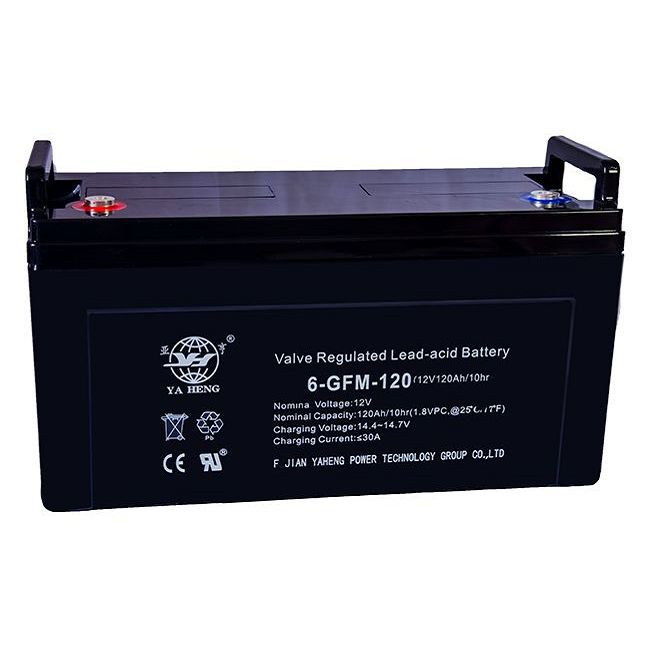
Lead - acid batteries are one of the most common types of storage batteries, used in a wide range of applications including automotive, UPS systems, and renewable energy storage. These batteries are relatively sensitive to humidity. High humidity can cause corrosion of the lead terminals and plates, while low humidity can lead to electrolyte evaporation.
In UPS systems, UPS Power Bank and UPS Power Station often use lead - acid batteries. Maintaining the right humidity level is crucial to ensure their reliable performance during power outages.
2. Lithium - Ion Batteries
Lithium - ion batteries are widely used in portable electronics, electric vehicles, and some energy storage systems. They are generally less sensitive to humidity compared to lead - acid batteries. However, extreme humidity levels can still have an impact on their performance. High humidity can cause corrosion of the battery terminals and connectors, while low humidity can lead to electrolyte degradation.
In camper applications, Camper Power Bank often rely on lithium - ion batteries. Controlling humidity in the camper environment can help extend the lifespan of these batteries.
Managing Humidity for Optimal Battery Performance
1. Environmental Control
The most effective way to manage humidity and protect storage batteries is through environmental control. This can involve using dehumidifiers in high - humidity environments to reduce the moisture content in the air. Dehumidifiers work by removing water vapor from the air, creating a drier environment that is less conducive to corrosion and other humidity - related problems.
In low - humidity environments, humidifiers can be used to maintain the right level of moisture in the air. This can help prevent electrolyte evaporation and keep the battery functioning properly.
2. Proper Storage and Installation
Proper storage and installation of storage batteries are also essential for managing humidity. Batteries should be stored in a clean, dry, and well - ventilated area. They should be kept away from sources of moisture such as water pipes, leaky roofs, or damp floors.
When installing batteries, it's important to ensure that the battery terminals are clean and free of corrosion. Anti - corrosion sprays or terminal protectors can be used to prevent corrosion and improve the connection between the battery and the electrical circuit.
3. Regular Maintenance
Regular maintenance is crucial for ensuring the optimal performance of storage batteries in any humidity environment. This includes checking the battery terminals for corrosion, measuring the electrolyte level (for lead - acid batteries), and monitoring the battery's charge level and performance.
If corrosion is detected on the battery terminals, it should be cleaned immediately using a mixture of baking soda and water. This can help remove the corrosion and restore the proper connection between the battery and the electrical circuit.

Conclusion
Humidity is a critical environmental factor that can have a profound impact on the performance and lifespan of storage batteries. As a storage battery supplier, I understand the importance of managing humidity to ensure the reliability and longevity of our products. By understanding how humidity affects different types of storage batteries and implementing appropriate humidity management strategies, we can help our customers get the most out of their batteries.
Whether you're using a UPS Power Bank for emergency backup, a Camper Power Bank for your outdoor adventures, or a UPS Power Station for your business, proper humidity control is essential.
If you're interested in learning more about our storage battery products or need advice on managing humidity for your battery applications, we're here to help. Contact us today to start a conversation about your specific needs and how we can provide the best storage battery solutions for you.
References
- Linden, D., & Reddy, T. B. (2002). Handbook of Batteries. McGraw - Hill.
- Dunn, B., Kamath, H., & Tarascon, J. M. (2011). Electrical Energy Storage for the Grid: A Battery of Choices. Science, 334(6058), 928 - 935.
- Berndt, D. (2011). Lead - Acid Batteries: Science and Technology. Springer.