Hey there! I'm a supplier of House Power System, and today I'm super excited to chat with you about how a fuel cell works in a house power system. It's a topic that's not only fascinating but also has a huge impact on how we power our homes in a more sustainable and efficient way.
Let's start with the basics. A fuel cell is like a mini power - generating factory right in your house. It's a device that converts the chemical energy from a fuel, usually hydrogen, into electricity through a chemical reaction rather than burning the fuel. This process is much cleaner and more efficient compared to traditional power - generation methods.
So, how does it all work? Well, a fuel cell consists of three main parts: an anode, a cathode, and an electrolyte. The anode is where the hydrogen fuel is fed into the cell. When the hydrogen reaches the anode, it encounters a catalyst, usually made of platinum. This catalyst splits the hydrogen molecules into protons and electrons.
The electrolyte in the fuel cell is a special membrane that only allows protons to pass through it. So, the protons move through the electrolyte towards the cathode. Meanwhile, the electrons, which can't pass through the electrolyte, are forced to take an external circuit. This flow of electrons through the external circuit creates an electric current, which is the electricity that can be used to power your house.
At the cathode, oxygen from the air is introduced. The protons that have passed through the electrolyte, the electrons that have traveled through the external circuit, and the oxygen all come together at the cathode. They react to form water, which is the only by - product of this entire process. That's right, no harmful emissions like carbon dioxide or other pollutants. It's as clean as it gets!
Now, let's talk about how a fuel cell fits into a house power system. In a typical house, you have various electrical appliances and devices that need power. A fuel cell can be integrated into your existing House Power System to provide a reliable and continuous source of electricity.
One of the great things about a fuel cell in a house power system is its ability to operate independently of the grid. If there's a power outage in your area, your fuel cell can keep your essential appliances running. This is especially useful for things like refrigerators, which need to stay on to keep your food fresh, or medical equipment if someone in your house depends on it.
You can also pair a fuel cell with other renewable energy sources. For example, you might have a Wind Power System installed on your property. When the wind is blowing, the wind turbines generate electricity. But what happens when the wind stops? That's where the fuel cell comes in. It can kick in and provide power when the renewable energy sources aren't producing enough.
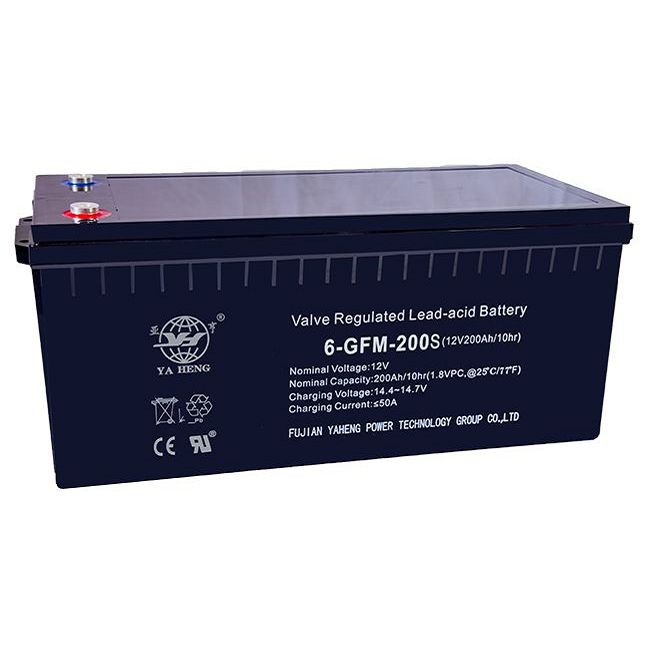
Another important aspect is energy storage. You can use a battery for solar power system in conjunction with your fuel cell. During times when the fuel cell is producing more electricity than your house needs, the excess energy can be stored in the battery. Then, when your electricity demand is high or the fuel cell isn't operating at full capacity, you can draw power from the battery.
But how do you get the hydrogen for the fuel cell? There are a few ways. One option is to produce hydrogen on - site using electrolysis. This process uses electricity to split water into hydrogen and oxygen. If you have a renewable energy source like solar or wind power, you can use that electricity to produce hydrogen, making your entire power system even more sustainable.

Another option is to purchase hydrogen from a supplier. There are companies that specialize in producing and delivering hydrogen. You can have a storage tank on your property to store the hydrogen until it's needed by the fuel cell.
The efficiency of a fuel cell in a house power system is quite impressive. Traditional power plants often lose a lot of energy in the form of heat during the power - generation process. Fuel cells, on the other hand, can convert a large percentage of the fuel's energy into electricity. This means you get more bang for your buck, so to speak, and you use less fuel to produce the same amount of power.
Maintenance is also relatively straightforward. Fuel cells don't have a lot of moving parts, which reduces the chances of mechanical failure. However, you do need to keep an eye on the catalyst and the electrolyte. Over time, the catalyst can degrade, and the electrolyte may need to be replaced. But with proper maintenance, a fuel cell can last for many years.
In terms of cost, it's true that fuel cells can be more expensive to install compared to some other power - generation options. But when you consider the long - term benefits, such as lower energy costs, reduced environmental impact, and energy independence, it's definitely worth the investment.
If you're interested in learning more about how a fuel cell can work for your House Power System, I'd love to have a chat with you. Whether you're building a new home or looking to upgrade your existing power system, I can provide you with all the information you need and help you make the best decision for your situation.
We can discuss things like the size of the fuel cell you'll need based on your energy consumption, the best way to integrate it with your other power sources, and the financing options available. I've helped many homeowners make the switch to a more sustainable and efficient power system, and I'd be happy to add you to that list.
So, if you're ready to take the next step towards a cleaner and more reliable power supply for your home, don't hesitate to reach out. Let's start a conversation and see how we can make your house power system even better with a fuel cell.
References
- Fuel Cell Handbook, Seventh Edition. U.S. Department of Energy.
- "Introduction to Fuel Cells" by Jeremy P. Meyers.