Solar power systems have emerged as a leading solution in the global shift towards renewable energy. As a seasoned supplier of solar power systems, I've witnessed firsthand the diverse performance of these systems across various climates. Understanding how solar power systems behave in different weather conditions is crucial for consumers and businesses alike, as it directly impacts the efficiency, reliability, and overall viability of solar energy investments.
Solar Power Systems in Sunny Climates
Sunny climates, such as those found in deserts and tropical regions, are ideal for solar power generation. With abundant sunlight throughout the year, solar panels in these areas can produce a significant amount of electricity. For instance, in the southwestern United States, where clear skies are common, solar power systems can operate at peak efficiency for a large portion of the year.
The high levels of solar irradiance in sunny climates mean that solar panels can convert more sunlight into electricity. This results in a higher energy output, making solar power systems extremely cost - effective in these regions. However, high temperatures can also pose challenges. Solar panels typically perform best at cooler temperatures, and excessive heat can cause a decrease in efficiency. To mitigate this, advanced solar panel technologies are being developed, such as panels with better heat dissipation capabilities.
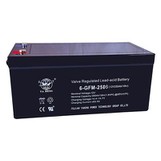
In sunny climates, energy storage becomes an important consideration. During the day, solar panels generate more electricity than may be immediately needed. This excess energy can be stored in a battery for solar power system for use during the night or on cloudy days. Our company offers a range of high - quality batteries designed to store this surplus energy efficiently, ensuring a continuous power supply.
Performance in Cloudy Climates
Cloudy climates, like those in the Pacific Northwest of the United States or parts of Northern Europe, present a different set of circumstances. The presence of clouds reduces the amount of direct sunlight reaching the solar panels, which can lower the energy output. However, modern solar panels are capable of generating electricity from diffuse sunlight, which is sunlight that has been scattered by clouds.
Although the energy production is lower compared to sunny climates, solar power systems can still be a viable option in cloudy regions. Advances in solar panel technology, such as thin - film solar panels, are more effective at capturing diffuse sunlight. Additionally, the lower temperatures in these areas can offset some of the efficiency losses due to reduced sunlight, as solar panels generally perform better in cooler conditions.
In cloudy climates, the role of energy storage becomes even more critical. A well - designed Power Cabinet can store the limited energy generated during the day and release it when needed, providing a stable power supply even during extended periods of cloud cover.
Solar Power Systems in Cold Climates
Cold climates, including regions in Canada, Russia, and some mountainous areas, offer unique advantages and challenges for solar power systems. On one hand, the cold air can improve the efficiency of solar panels. Solar panels are semiconductor devices, and lower temperatures can enhance their electrical conductivity, resulting in increased energy production.
On the other hand, snow and ice can cover the solar panels, blocking sunlight and reducing energy output. To address this issue, solar panel installations in cold climates are often angled steeply to allow snow to slide off easily. Some systems are also equipped with heating elements or defrosting mechanisms to prevent snow and ice accumulation.
In cold climates, a reliable House Power System is essential. These systems need to be able to withstand extreme cold temperatures and ensure that the stored energy is available when required. Our company provides robust house power systems that are specifically designed for cold - climate applications.
Humid and Tropical Climates
Humid and tropical climates, such as those in Southeast Asia and parts of South America, have high levels of humidity and frequent rainfall. While the abundant sunlight in these regions is beneficial for solar power generation, the high humidity and moisture can cause corrosion and damage to solar panels and other system components.


To combat this, solar power systems in humid and tropical climates need to be made of materials that are resistant to corrosion. Our solar panels are coated with special protective layers to prevent moisture from penetrating and causing damage. Additionally, proper ventilation and drainage systems are crucial to ensure that excess moisture does not accumulate around the panels.
In tropical climates, heavy rain can also bring debris and dirt, which can accumulate on the solar panels and reduce their efficiency. Regular cleaning and maintenance are necessary to keep the panels operating at their best.
Windy Climates
Windy climates, like those in coastal areas and some plains regions, can have both positive and negative impacts on solar power systems. Strong winds can help cool the solar panels, improving their efficiency. However, high - speed winds can also pose a risk of physical damage to the panels and the mounting structures.
When installing solar power systems in windy areas, it is essential to use sturdy mounting structures that can withstand high wind loads. Our company offers a range of mounting solutions that are engineered to be wind - resistant, ensuring the long - term stability and performance of the solar power systems.
Conclusion
In conclusion, the performance of solar power systems varies significantly across different climates. While sunny climates offer the most favorable conditions for high - energy production, other climates also present opportunities for solar energy utilization. With the right combination of advanced technology, proper installation, and effective energy storage solutions, solar power systems can be a reliable and sustainable source of energy in virtually any climate.
As a leading supplier of solar power systems, we are committed to providing our customers with the best - in - class products and solutions tailored to their specific climate needs. Whether you are in a sunny desert, a cloudy coastal area, or a cold mountainous region, our team of experts can help you design and install a solar power system that maximizes energy production and efficiency.
If you are interested in learning more about how our solar power systems can perform in your specific climate or are ready to make a purchase, we encourage you to reach out to us for a detailed consultation. We look forward to working with you to achieve your renewable energy goals.
References
- Duffie, J. A., & Beckman, W. A. (2013). Solar Engineering of Thermal Processes. John Wiley & Sons.
- Chow, T. T. (2010). Solar Energy Engineering: Processes and Systems. Wiley - IEEE Press.
- World Meteorological Organization. (2022). Climate Data and Monitoring.