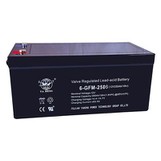
As a supplier of radio batteries, I understand the importance of proper charging to ensure the longevity and performance of these essential power sources. In this blog post, I'll share detailed insights on how to charge a rechargeable radio battery effectively.
Understanding Your Rechargeable Radio Battery
Before diving into the charging process, it's crucial to understand the type of rechargeable battery your radio uses. The most common types are Nickel - Cadmium (Ni - Cd), Nickel - Metal Hydride (Ni - MH), and Lithium - Ion (Li - Ion). Each type has its own characteristics and charging requirements.
Nickel - Cadmium (Ni - Cd) Batteries
Ni - Cd batteries were once very popular due to their relatively low cost and ability to handle high - current discharges. However, they suffer from the "memory effect," which means if they are repeatedly recharged without being fully discharged, their capacity can gradually decrease. To charge a Ni - Cd battery, you should use a charger specifically designed for Ni - Cd batteries. These chargers typically have a slow - charge mode that takes several hours to fully charge the battery and a fast - charge mode for quicker top - ups, but fast - charging should be used sparingly to avoid overheating and damage to the battery.
Nickel - Metal Hydride (Ni - MH) Batteries
Ni - MH batteries are an improvement over Ni - Cd batteries as they have a higher energy density and are more environmentally friendly. They also have a reduced memory effect compared to Ni - Cd batteries. When charging a Ni - MH battery, a charger with a charge - control mechanism is essential. This mechanism helps prevent overcharging, which can lead to decreased battery life and even potential safety hazards. Similar to Ni - Cd batteries, slow charging is generally better for the long - term health of the battery, but fast - charging can be used when necessary.
Lithium - Ion (Li - Ion) Batteries
Li - Ion batteries are the most advanced type commonly used in modern radios. They offer high energy density, low self - discharge rates, and no memory effect. However, they are more sensitive to overcharging and over - discharging. Li - Ion batteries require a smart charger that can monitor the battery's voltage and current during the charging process. These chargers will automatically stop charging when the battery reaches its full capacity to prevent damage.


Pre - Charging Checks
Before you start charging your rechargeable radio battery, there are a few important checks to make:
- Inspect the Battery: Look for any signs of damage such as cracks, leaks, or swelling. If you notice any of these issues, do not attempt to charge the battery as it could be dangerous. Instead, replace the battery with a new one.
- Check the Charger: Ensure that the charger is in good working condition. Look for any frayed wires, loose connections, or visible damage. Using a damaged charger can not only damage the battery but also pose a safety risk.
- Read the Manual: Refer to the user manual of your radio and the battery charger. The manual will provide specific instructions on charging times, recommended chargers, and any special precautions.
The Charging Process
Once you've completed the pre - charging checks, you can proceed with the charging process:
- Connect the Battery to the Charger: Make sure the battery is properly inserted into the charger. Pay attention to the polarity markings (+ and -) to ensure correct connection. Incorrect connection can damage the battery and the charger.
- Plug in the Charger: Connect the charger to a power outlet. You may notice an indicator light on the charger that shows the charging status. Different chargers have different indicator lights, but generally, a red light indicates that the battery is charging, and a green light indicates that the battery is fully charged.
- Monitor the Charging: It's important to monitor the charging process, especially if you're using a charger without an automatic shut - off feature. If you notice any unusual behavior such as excessive heat, a strange smell, or the charger indicator not changing as expected, stop the charging immediately and check for problems.
- Charge Time: The charging time depends on the battery type, capacity, and the charger's charging rate. For example, a small Ni - MH battery with a capacity of 1000mAh may take 2 - 3 hours to charge using a standard charger, while a larger Li - Ion battery with a capacity of 3000mAh may take 3 - 5 hours. Refer to the battery and charger manuals for the exact charging times.
Post - Charging Care
After the battery is fully charged, there are a few steps you can take to ensure its continued performance:
- Remove the Battery from the Charger: Once the battery is fully charged, promptly remove it from the charger. Leaving the battery on the charger for an extended period can cause overcharging, which can reduce the battery's lifespan.
- Store the Battery Properly: If you're not going to use the battery immediately, store it in a cool, dry place. Avoid storing the battery in direct sunlight or in a hot environment, as high temperatures can accelerate the self - discharge rate of the battery.
- Use the Battery Regularly: Rechargeable batteries perform best when they are used regularly. If you don't use the battery for an extended period, it's a good idea to charge and discharge it every few months to maintain its health.
Other Related Battery Products
In addition to radio batteries, we also offer a range of other high - quality battery products. For those interested in powering electric cleaning machines, our Electric Cleaning Machine Battery is a reliable choice. It provides long - lasting power to keep your cleaning machines running efficiently.
If you're looking for a battery for security lamps, our Security Lamp Battery is designed to provide reliable backup power in case of emergencies. These batteries are built to withstand various environmental conditions and ensure that your security lamps stay illuminated when you need them most.
We also have an Off - line Power System that can provide uninterrupted power supply for various applications. This system is ideal for areas where power outages are common or for critical equipment that requires continuous power.
Contact Us for Procurement
If you're interested in purchasing our radio batteries or any of our other battery products, we'd love to hear from you. Our team of experts can provide you with detailed product information, pricing, and help you choose the right battery for your specific needs. Whether you're a small business or a large organization, we can offer customized solutions to meet your requirements.
References
- Battery University. (2023). How to Charge Different Types of Rechargeable Batteries.
- Radio Manufacturer's User Manuals.