

As an e-bike battery supplier, I understand the crucial role that a healthy battery plays in the overall performance and longevity of an e-bike. A well-maintained battery not only ensures a smooth and efficient ride but also saves you from the hassle and cost of premature replacements. In this blog post, I'll share some practical tips on how to check the health of an e-bike battery, helping you keep your e-bike in top shape.
Understanding E-bike Batteries
Before delving into the health-check methods, it's essential to have a basic understanding of e-bike batteries. Most e-bikes today use lithium-ion batteries due to their high energy density, long lifespan, and relatively low self-discharge rate. These batteries come in various shapes, sizes, and capacities, depending on the e-bike's design and intended use.
The capacity of an e-bike battery is typically measured in ampere-hours (Ah) or watt-hours (Wh). A higher capacity means more energy storage and, generally, a longer range. However, factors such as riding style, terrain, and weather conditions can also significantly affect the actual range.
Visual Inspection
The first step in checking the health of an e-bike battery is a visual inspection. This simple yet effective method can reveal obvious signs of damage or wear that may affect the battery's performance.
- Check for Physical Damage: Look for any cracks, dents, or bulges on the battery casing. These could indicate internal damage or a problem with the battery cells. A damaged casing can also expose the battery to moisture and dust, further compromising its integrity.
- Inspect the Connections: Examine the battery terminals and connectors for signs of corrosion, loose connections, or damage. Corroded terminals can impede the flow of electricity, reducing the battery's efficiency and performance. Make sure the connections are clean, tight, and free of debris.
- Look for Leaks: Check for any signs of liquid leakage around the battery casing or terminals. Leaking battery fluid can be a sign of a serious problem and should be addressed immediately. If you notice any leaks, do not attempt to use the battery and contact a professional for assistance.
Measuring Voltage
Measuring the voltage of an e-bike battery is another important step in assessing its health. Voltage is a measure of the electrical potential difference between the battery's positive and negative terminals and can provide valuable information about the battery's state of charge and overall condition.
- Use a Multimeter: To measure the voltage of your e-bike battery, you'll need a multimeter. Set the multimeter to the DC voltage setting and connect the positive (red) probe to the positive terminal of the battery and the negative (black) probe to the negative terminal. Make sure the battery is disconnected from the e-bike before taking the measurement.
- Compare the Reading: Compare the measured voltage to the battery's rated voltage. For example, a fully charged 36V lithium-ion battery should have a voltage of around 42V, while a fully discharged battery may have a voltage of around 30V. If the measured voltage is significantly lower than the rated voltage, it could indicate a problem with the battery, such as a weak cell or a faulty charger.
- Check the Voltage Under Load: To get a more accurate picture of the battery's performance, you can also measure the voltage under load. This involves connecting a load, such as a light bulb or a resistor, to the battery and measuring the voltage while the load is drawing current. A healthy battery should maintain a relatively stable voltage under load, while a weak or damaged battery may experience a significant drop in voltage.
Assessing Capacity
The capacity of an e-bike battery refers to the amount of energy it can store and deliver. Over time, the capacity of a battery may decrease due to factors such as normal wear and tear, overcharging, or discharging. Assessing the capacity of your e-bike battery can help you determine its remaining lifespan and whether it needs to be replaced.
- Use a Battery Capacity Tester: One way to measure the capacity of an e-bike battery is to use a battery capacity tester. These devices work by discharging the battery at a constant current and measuring the time it takes to reach a certain voltage. The capacity of the battery can then be calculated based on the discharge current and time.
- Compare the Results: Compare the measured capacity to the battery's rated capacity. If the measured capacity is significantly lower than the rated capacity, it could indicate that the battery is nearing the end of its lifespan and may need to be replaced. However, it's important to note that the actual capacity of a battery may vary depending on factors such as temperature, charging history, and usage patterns.
- Monitor the Range: Another way to assess the capacity of an e-bike battery is to monitor the range of your e-bike. If you notice a significant decrease in the distance you can travel on a single charge, it could be a sign that the battery's capacity is declining. Keep in mind that other factors, such as riding style, terrain, and weather conditions, can also affect the range of your e-bike.
Checking the Charging Performance
The charging performance of an e-bike battery is another important factor to consider when assessing its health. A healthy battery should charge efficiently and reach a full charge within a reasonable amount of time.
- Monitor the Charging Time: Pay attention to how long it takes to charge your e-bike battery. If you notice that it takes significantly longer to charge the battery than usual, it could indicate a problem with the battery or the charger. A slow charging time could be a sign of a weak cell, a faulty charger, or a problem with the charging circuit.
- Check the Charging Voltage and Current: Use a multimeter to measure the charging voltage and current of your e-bike battery. Compare the measured values to the manufacturer's specifications. If the charging voltage or current is significantly higher or lower than the recommended values, it could indicate a problem with the charger or the battery.
- Look for Overheating: While it's normal for a battery to generate some heat during charging, excessive heat can be a sign of a problem. If you notice that the battery or the charger gets unusually hot during charging, stop the charging process immediately and check for any signs of damage or malfunction.
Other Factors to Consider
In addition to the methods mentioned above, there are several other factors to consider when checking the health of an e-bike battery.
- Temperature: Extreme temperatures can have a significant impact on the performance and lifespan of an e-bike battery. High temperatures can accelerate the aging process of the battery cells, while low temperatures can reduce the battery's capacity and performance. Try to store and use your e-bike battery in a temperature-controlled environment to prolong its lifespan.
- Charging Habits: Your charging habits can also affect the health of your e-bike battery. Avoid overcharging or discharging the battery completely, as this can damage the battery cells and reduce their lifespan. It's recommended to charge the battery when it reaches around 20-30% capacity and avoid leaving it on the charger for extended periods after it's fully charged.
- Usage Patterns: The way you use your e-bike can also impact the battery's health. Aggressive riding, frequent acceleration and braking, and riding on hilly terrain can put more stress on the battery and reduce its lifespan. Try to ride your e-bike in a smooth and efficient manner to conserve battery power and prolong its lifespan.
Conclusion
Checking the health of an e-bike battery is an important part of maintaining your e-bike and ensuring its optimal performance. By following the tips outlined in this blog post, you can easily assess the health of your e-bike battery and take appropriate measures to keep it in top shape.
If you're in the market for a new e-bike battery, I invite you to explore our range of high-quality E-bike Battery, Electric Motorcycle Battery, and Motivation Battery. Our batteries are designed to provide reliable performance, long lifespan, and excellent value for money.

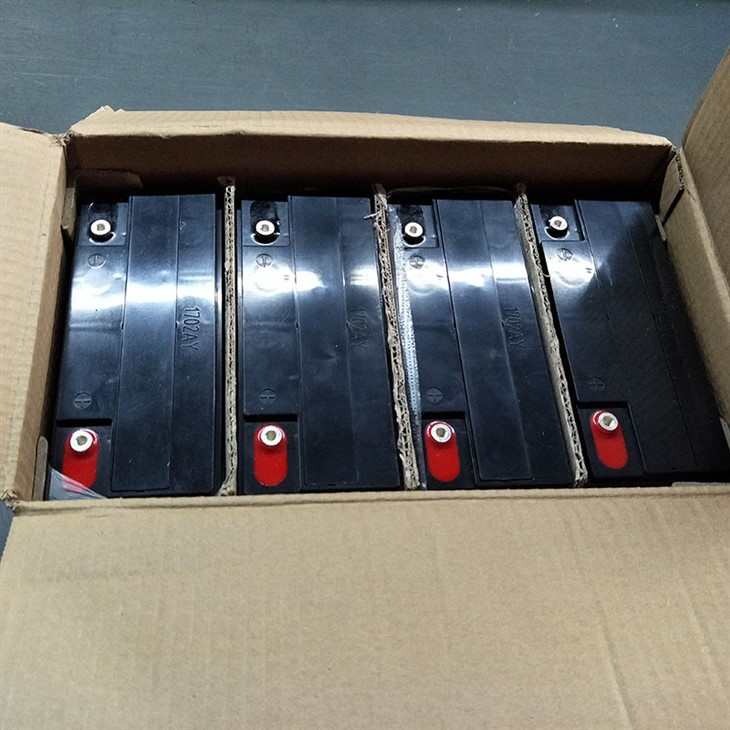
If you have any questions or need further assistance, please don't hesitate to contact us. We're here to help you find the perfect battery solution for your e-bike.
References
- Battery University: A comprehensive resource for battery-related information and research.
- E-bike manufacturers' websites: For specific information on battery maintenance and care.
- Professional e-bike mechanics and technicians: For expert advice and guidance on e-bike battery health.


