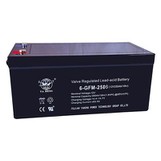
When it comes to powering electronic devices, the question of whether you can use a radio battery in a device that requires a different voltage is a common one. As a supplier of radio batteries, I've encountered this query numerous times from customers. In this blog post, I'll delve into the technical aspects, potential risks, and considerations related to using a radio battery in a device with a different voltage requirement.
Understanding Battery Voltage
Voltage is a fundamental electrical property that represents the force or pressure that drives electric current through a circuit. Different electronic devices are designed to operate within specific voltage ranges to function optimally and safely. Radio batteries typically come in standard voltages such as 1.5V (e.g., AA, AAA batteries) or 9V. These batteries are designed to power radios and other low - power electronic devices that are compatible with these voltage levels.
On the other hand, devices like Electric Cleaning Machine Battery, Emergency Lighting Battery, and Electric Curtain Battery may have different voltage requirements. For instance, an electric cleaning machine might require a higher voltage battery to generate enough power for its motor to operate effectively.


Potential Consequences of Using the Wrong Voltage
1. Under - Voltage Situation
If you use a radio battery with a lower voltage than what the device requires, the device may not function at all. For example, a device that needs 9V to operate properly will not work if you insert a single 1.5V radio battery. In some cases, the device may start to function, but it will operate at a reduced capacity. The electric curtain might move very slowly, or the emergency lighting might emit a dim light. Over time, continuous under - voltage operation can also cause damage to the device's internal components, as they are not receiving the necessary power to function as designed.
2. Over - Voltage Situation
Using a radio battery with a higher voltage than the device's requirement is even more dangerous. Excessive voltage can cause overheating of the device's components. This overheating can lead to melting of wires, damage to circuit boards, and in severe cases, it can even cause a fire hazard. For example, if a device designed for 3V is powered by a 9V radio battery, the increased voltage can push too much current through the device, overwhelming its electrical components.
Exceptions and Adaptation
There are some cases where you might be able to use a radio battery in a device with a different voltage requirement, but it requires careful consideration and adaptation.
1. Voltage Conversion
One way to make a radio battery work in a device with a different voltage is through voltage conversion. You can use a voltage regulator or a DC - DC converter. A voltage regulator can maintain a stable output voltage, even if the input voltage from the radio battery fluctuates. A DC - DC converter can either step up or step down the voltage from the battery to match the device's requirement. However, this requires technical knowledge and the right equipment. Incorrect installation of a voltage converter can also lead to problems.
2. Battery Combinations
In some cases, you can combine multiple radio batteries to achieve the desired voltage. For example, if a device requires 6V and you have 1.5V radio batteries, you can connect four 1.5V batteries in series. When batteries are connected in series, their voltages add up. But you need to make sure that the batteries have the same capacity and condition. Mismatched batteries in a series connection can lead to uneven charging and discharging, which can reduce the overall performance and lifespan of the batteries.
Safety First
Before attempting to use a radio battery in a device with a different voltage requirement, it's crucial to prioritize safety.
1. Read the Device Manual
The first step is to read the device's user manual. The manual will specify the correct voltage and type of battery that the device requires. If you're unsure, you can also contact the device manufacturer for advice.
2. Professional Advice
If you're not confident in your technical skills, it's best to seek professional advice. An electrician or an electronics technician can provide guidance on whether it's safe to use a radio battery in a particular device and how to do it properly.
Conclusion
In general, using a radio battery in a device that requires a different voltage is not recommended due to the potential risks involved. However, with the right knowledge, equipment, and precautions, it might be possible in some cases. As a radio battery supplier, I always encourage customers to use the correct batteries for their devices to ensure optimal performance and safety.
If you have any questions about radio batteries or need help in choosing the right battery for your device, feel free to contact us for more information. We can provide you with a wide range of high - quality radio batteries and offer professional advice on battery usage. Let's have a detailed discussion to find the best battery solution for your needs.
References
- Horowitz, P., & Hill, W. (1989). The Art of Electronics. Cambridge University Press.
- Tietze, U., & Schenk, C. (2002). Electronic Circuits: Handbook for Design and Application. Springer.