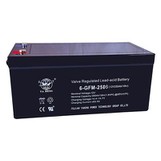
Hey there! As a stand by battery supplier, I've been getting a lot of questions lately about whether standby batteries are affected by humidity. It's a super important topic, especially for folks who rely on these batteries for backup power in various situations. So, let's dive right in and explore how humidity can impact standby batteries.
First off, let's understand what standby batteries are. These are batteries that sit idle most of the time, waiting to kick in when the main power source fails. They're used in a wide range of applications, from Security Lamp Battery to Electric Cleaning Machine Battery and Portable Lantern Battery. You name it, there's probably a standby battery powering it somewhere.
Now, humidity is basically the amount of water vapor in the air. And it can have some pretty significant effects on standby batteries. One of the main ways humidity affects batteries is through corrosion. When the air is humid, there's more moisture around, and this moisture can react with the metal components in the battery. For example, the terminals of the battery are made of metal, and over time, the moisture can cause them to corrode. Corrosion can lead to a poor connection between the battery and the device it's powering, which means the battery might not be able to deliver power effectively.
Another issue is that high humidity can increase the rate of self - discharge in batteries. Self - discharge is when a battery loses its charge even when it's not being used. In a humid environment, the chemical reactions inside the battery can speed up, causing it to lose its charge faster. This is a big problem because standby batteries need to be ready to go at a moment's notice. If they're losing their charge due to high humidity, they might not have enough power when you actually need them.
On the flip side, low humidity can also cause problems. In very dry conditions, the electrolyte inside the battery can start to dry out. The electrolyte is a crucial part of the battery that allows the flow of ions between the electrodes, which is what generates electricity. If the electrolyte dries up, the battery's performance will decline, and it might even become completely useless.
So, what can we do to protect standby batteries from the effects of humidity? Well, one of the simplest solutions is to store the batteries in a controlled environment. If possible, keep them in a room with a stable humidity level. A humidity level between 40% and 60% is generally considered ideal for most batteries. You can use a dehumidifier or a humidifier to adjust the humidity in the storage area as needed.
Another thing you can do is to use protective coatings on the battery terminals. There are special anti - corrosion sprays and greases available that can help prevent moisture from coming into contact with the metal terminals. This can significantly reduce the risk of corrosion and improve the battery's lifespan.
It's also important to regularly inspect your standby batteries. Check the terminals for any signs of corrosion, and clean them if necessary. You can use a mixture of baking soda and water to clean the terminals. Just make sure to disconnect the battery from the device first and be careful not to get any of the cleaning solution inside the battery.
Now, let's talk about different types of standby batteries and how they might be affected by humidity. Lead - acid batteries, which are commonly used in many standby applications, are particularly sensitive to humidity. The lead plates inside these batteries can corrode quickly in a humid environment, and the electrolyte can also evaporate more easily in dry conditions. Lithium - ion batteries, on the other hand, are a bit more resistant to humidity, but they still need to be stored properly. High humidity can cause the lithium - ion battery's separator to break down over time, which can lead to short - circuits and other safety issues.
When it comes to the applications of standby batteries, humidity can have different impacts. For example, in a security lamp, a battery that has been affected by humidity might not provide enough light when the power goes out. This could be a serious problem, especially in areas where security is a concern. In an electric cleaning machine, a poorly performing battery due to humidity might not be able to power the machine for long enough to get the cleaning job done. And for a portable lantern, a battery with a reduced charge because of humidity might not last as long during a camping trip or a power outage.
As a standby battery supplier, I've seen firsthand the importance of proper storage and maintenance when it comes to humidity. That's why I always recommend to my customers to take these factors into account. Whether you're using standby batteries for a small security lamp or a large - scale backup power system, protecting them from humidity is crucial for their performance and longevity.
If you're in the market for standby batteries, or if you have any questions about how to protect your existing batteries from humidity, I'd love to help. We offer a wide range of high - quality standby batteries for various applications, including Security Lamp Battery, Electric Cleaning Machine Battery, and Portable Lantern Battery. Feel free to reach out to me, and we can have a chat about your specific needs. Let's work together to ensure that your standby batteries are always in top - notch condition, no matter what the humidity is like.
References


- "Battery Technology Handbook"
- "The Effects of Environmental Conditions on Battery Performance" research papers