Having trouble with your wheelchair battery not charging? As a seasoned wheelchair battery supplier, I've encountered this issue numerous times, and I'm here to share some practical solutions.
Check the Power Source
The first step when your wheelchair battery won't charge is to examine the power source. Ensure that the charger is properly plugged into a functioning electrical outlet. Sometimes, a loose connection can prevent the battery from receiving the necessary charge. You can try plugging another device into the same outlet to confirm if it's working. If the outlet is faulty, try using a different one.
It's also important to check the charger itself. Look for any visible signs of damage, such as frayed wires or a cracked casing. A damaged charger can cause charging problems. If you suspect the charger is defective, it's advisable to replace it with a compatible one. We offer a wide range of high - quality chargers that are designed specifically for wheelchair batteries.
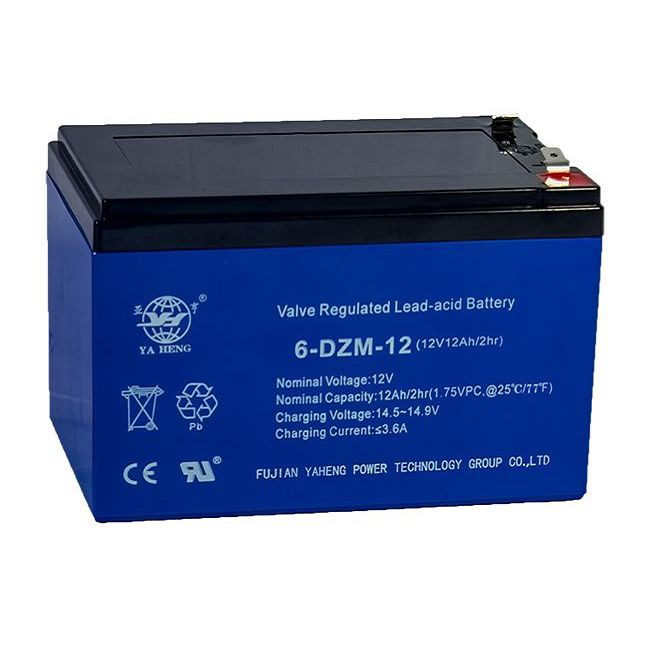

Inspect the Battery Connections
Next, take a look at the battery connections. Over time, these connections can become loose, corroded, or dirty. Loose connections can disrupt the flow of electricity, preventing the battery from charging. To check the connections, first, make sure the wheelchair is turned off and the charger is unplugged. Then, carefully examine the terminals on the battery and the charger.
If you notice any corrosion or dirt on the terminals, you can clean them using a mixture of baking soda and water. Dip a cloth or a small brush into the solution and gently scrub the terminals. After cleaning, dry the terminals thoroughly before reconnecting them. Tighten any loose connections to ensure a secure fit.
Assess the Battery Health
The health of the battery itself is a crucial factor. Batteries have a limited lifespan, and over time, they may lose their ability to hold a charge. If your battery is old or has been used extensively, it might be time for a replacement.
One way to assess the battery health is by using a battery tester. These devices can provide information about the battery's voltage, capacity, and overall condition. If the battery tester indicates that the battery is no longer performing optimally, it's a clear sign that you need to replace it.
We supply a variety of high - quality wheelchair batteries that are designed to offer long - lasting performance. Our batteries are built with advanced technology to ensure reliable operation and a high energy density.
Look for Error Indicators
Many modern wheelchair chargers come with error indicators. These can be in the form of lights or beeps that signal a problem. Refer to the charger's manual to understand what each indicator means. For example, a red light might indicate a charging error, while a blinking light could mean there's a connection issue.
If you see an error indicator, follow the troubleshooting steps provided in the manual. In some cases, the charger might need to be reset. To reset the charger, unplug it from the power source and the battery, wait for a few minutes, and then plug it back in.
Consider Environmental Factors
Environmental conditions can also affect the charging process. Extreme temperatures, both hot and cold, can impact the battery's performance. In cold weather, the chemical reactions inside the battery slow down, which can make it difficult to charge. On the other hand, high temperatures can cause the battery to overheat, leading to damage.
If you're charging the battery in an environment with extreme temperatures, try moving it to a more moderate location. A room with a temperature between 20 - 25 degrees Celsius is ideal for charging wheelchair batteries.
Seek Professional Help
If you've tried all the above steps and the battery still won't charge, it might be time to seek professional help. You can contact a technician who specializes in wheelchair batteries. They have the expertise and tools to diagnose and fix more complex problems.
As a wheelchair battery supplier, we also offer technical support to our customers. Our team of experts can provide guidance over the phone or via email to help you resolve the charging issue.
Related Battery Products
In addition to wheelchair batteries, we also supply other types of electric vehicle batteries. For those interested in e - bikes, we have a great selection of E - bike Battery. These batteries are designed to provide long - range and reliable power for your e - bike.
If you're looking for a battery for an electric tricycle, our Electric Tricycle Battery is a great choice. It offers high capacity and excellent performance, ensuring a smooth ride.
We also provide Electric Trolley Battery for electric trolleys. These batteries are built to withstand heavy - duty use and offer a long service life.
Conclusion
A wheelchair battery that won't charge can be a frustrating problem, but by following the steps outlined above, you can often diagnose and resolve the issue. Whether it's a simple connection problem or a more complex battery health issue, there are solutions available.
If you're in need of a new wheelchair battery or any other electric vehicle battery, don't hesitate to contact us. We're committed to providing high - quality products and excellent customer service. Our team is ready to assist you in finding the right battery for your needs. We can also offer advice on installation, maintenance, and charging to ensure that your battery performs at its best.
Reach out to us today to start the conversation about your battery requirements. We look forward to helping you get back on the move with a reliable and efficient battery.
References
- Battery University. "How to Prolong Lithium - based Batteries."
- Wheelchair Manufacturer's Manuals. Various models.