Hey there! As a supplier of telecom batteries, I often get asked about the energy density of telecom batteries. So, I thought I'd take a few minutes to break it down for you and explain why it's such a crucial factor in the telecom industry.
Let's start with the basics. Energy density is a measure of how much energy a battery can store in a given volume or mass. In simpler terms, it tells us how much "juice" a battery can hold relative to its size or weight. For telecom batteries, this is super important because space and weight are often at a premium in telecom facilities.
Imagine you're setting up a telecom base station. You've got limited space in the Telecom Power Cabinet, and you need to fit in all the necessary equipment, including batteries to provide backup power. A battery with a high energy density means you can store more energy in a smaller package. This not only saves valuable space but also reduces the overall weight of the setup, which can be a big advantage, especially in rooftop or tower installations where weight restrictions apply.
There are two main ways to express energy density: volumetric energy density and gravimetric energy density. Volumetric energy density is measured in watt - hours per liter (Wh/L) and tells us how much energy can be stored in a given volume. Gravimetric energy density, on the other hand, is measured in watt - hours per kilogram (Wh/kg) and focuses on the energy stored relative to the battery's weight.
Now, let's talk about the different types of telecom batteries and their energy densities. One of the most common types of telecom batteries is the lead - acid battery. Lead - acid batteries have been around for a long time and are known for their reliability and relatively low cost. However, their energy density is not as high as some other battery technologies.
For example, a traditional flooded lead - acid battery typically has a volumetric energy density in the range of 30 - 50 Wh/L and a gravimetric energy density of around 30 - 40 Wh/kg. While these values might seem decent, when you consider the space and weight constraints in telecom applications, there's definitely room for improvement.
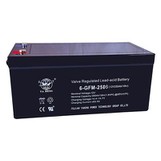
Another type of lead - acid battery is the OPzV Battery. OPzV batteries are a type of valve - regulated lead - acid (VRLA) battery. They offer some advantages over traditional flooded lead - acid batteries, including better cycle life and less maintenance. In terms of energy density, OPzV batteries can have a volumetric energy density of around 50 - 70 Wh/L and a gravimetric energy density of 40 - 50 Wh/kg. This is an improvement over traditional flooded lead - acid batteries, but still not as high as some of the newer battery technologies.
Lithium - ion batteries are becoming increasingly popular in the telecom industry due to their high energy density. Lithium - ion batteries can have a volumetric energy density of 200 - 700 Wh/L and a gravimetric energy density of 100 - 265 Wh/kg. That's a significant improvement over lead - acid batteries. With such high energy densities, lithium - ion batteries can store a lot more energy in a much smaller and lighter package. This makes them ideal for telecom applications where space and weight are critical.
But why is high energy density so important in the telecom industry? Well, for starters, it allows for more compact and lightweight battery installations. This means that telecom operators can save on installation costs, as they need less space and fewer support structures. It also makes it easier to transport and install the batteries, which can be a big advantage, especially in remote or hard - to - reach locations.
In addition, high - energy - density batteries can provide longer backup power. In the telecom industry, downtime is extremely costly. A power outage can disrupt communication services, leading to lost revenue and dissatisfied customers. Batteries with high energy density can store more energy, which means they can keep the telecom equipment running for a longer period of time during a power outage.
Furthermore, as the demand for telecom services continues to grow, so does the need for more power. Telecom networks are becoming more complex and energy - intensive, with the introduction of technologies like 5G. High - energy - density batteries can help meet this increasing power demand without taking up too much space or adding too much weight.
When it comes to choosing a telecom battery, energy density is just one of the factors to consider. Other important factors include battery life, cost, safety, and environmental impact. However, in many cases, energy density can be a deciding factor, especially when space and weight are limited.
At our company, we understand the importance of energy density in telecom applications. That's why we offer a wide range of telecom batteries, including OPzV Battery and lithium - ion batteries. Our team of experts can help you choose the right battery for your specific needs, taking into account factors like energy density, cost, and performance.


If you're in the market for a telecom battery and want to learn more about energy density and how it can benefit your telecom operations, don't hesitate to get in touch. We're here to answer your questions and help you find the best solution for your business. Whether you're setting up a new telecom base station or upgrading an existing one, we've got the expertise and the products to meet your needs.
In conclusion, energy density is a crucial factor in the telecom industry. It can impact everything from installation costs and backup power duration to the overall efficiency of the telecom network. By choosing a battery with the right energy density, telecom operators can optimize their battery installations and ensure reliable and uninterrupted communication services.
So, if you're looking for a telecom battery that offers high energy density and other great features, give us a call or send us an email. We'd love to have a chat with you and discuss how our Telecom Power System can meet your specific requirements. Let's work together to keep your telecom network running smoothly!
References
- Linden, D., & Reddy, T. B. (2002). Handbook of Batteries. McGraw - Hill.
- Kannan, M., & Ramana, C. V. (2018). Lithium - Ion Batteries: Science and Technologies. Springer.