Hey there! I'm a supplier of Wind Power System. You might think wind power is all sunshine and rainbows, but like any technology, it's got its fair share of drawbacks. In this blog, I'll break down some of the disadvantages of a wind power system.
1. Intermittency and Unpredictability
One of the biggest issues with wind power is that it's intermittent. The wind doesn't blow all the time, and its speed can vary greatly. Sometimes, the wind might be too weak to generate any power, and other times, it could be so strong that the turbines have to be shut down for safety reasons. This makes it difficult to rely solely on wind power to meet a consistent energy demand.
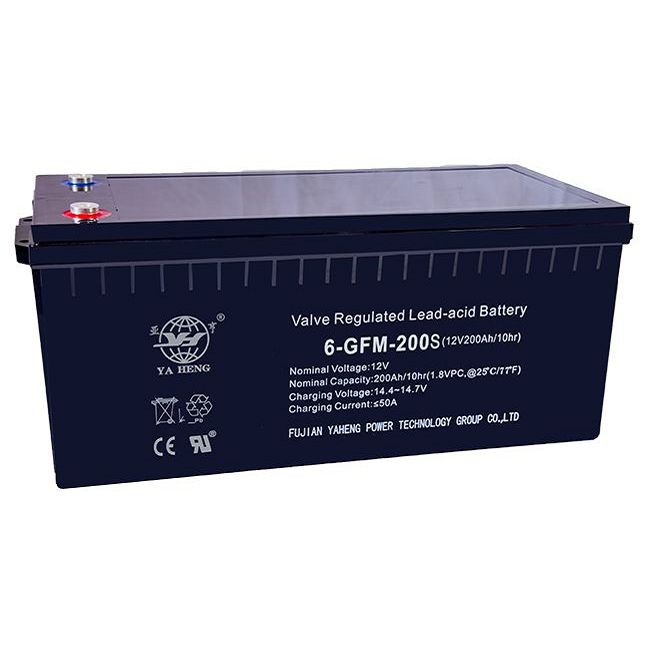
For instance, on a calm day, a wind farm might produce little to no electricity. This means that we need to have backup power sources, like fossil - fuel power plants or energy storage systems. Energy storage can be expensive, and fossil - fuel backups kind of defeat the purpose of using a renewable energy source in the first place.

2. High Initial Costs
Setting up a wind power system is no cheap feat. The cost of purchasing and installing wind turbines is extremely high. You've got to buy the turbines themselves, which can cost millions of dollars depending on their size and capacity. Then there are the costs of transporting these huge structures to the installation site, which can be logistically challenging and expensive.
The installation process also requires a lot of specialized equipment and skilled labor. And let's not forget about the cost of building the infrastructure, like roads and power lines, to connect the wind farm to the grid. All these upfront costs can be a major deterrent for many potential investors.
3. Noise Pollution
Wind turbines are noisy. The blades slicing through the air create a whooshing sound, and the mechanical components inside the turbine also generate noise. This can be a real problem for people living near wind farms. The constant noise can be annoying and even have a negative impact on their quality of life.
Some studies have shown that long - term exposure to the noise from wind turbines can lead to sleep disturbances, stress, and other health issues. This has led to a lot of opposition from local communities, which can slow down or even halt the development of new wind farms.
4. Visual Impact
Wind turbines are massive structures. They can be up to several hundred feet tall, and when you have a whole wind farm, it can really change the landscape. Some people find the sight of these turbines to be an eyesore, especially in areas of natural beauty.
This visual impact can also have an effect on tourism. For example, if a beautiful coastal area is filled with wind turbines, it might not be as appealing to tourists, which can have a negative impact on the local economy.
5. Wildlife Impact
Wind turbines can pose a threat to wildlife, especially birds and bats. Birds can collide with the spinning blades, which can result in injury or death. Bats are also at risk, and it's thought that the sudden change in air pressure near the blades can cause internal injuries to them.
These collisions can have a significant impact on local wildlife populations, especially for endangered or threatened species. Additionally, the construction of wind farms can disrupt the natural habitats of animals, forcing them to relocate.
6. Maintenance and Reliability
Wind turbines are complex machines, and they require regular maintenance to keep them running smoothly. The components of a turbine, like the gears, bearings, and blades, are subject to wear and tear over time. And since wind turbines are often located in remote areas, it can be difficult and expensive to access them for maintenance.
If a turbine breaks down, it can take a long time to get it up and running again. This downtime means lost energy production and revenue. Also, the reliability of wind turbines can be affected by extreme weather conditions, such as hurricanes, lightning strikes, and heavy snow.
7. Land Use
Wind farms require a large amount of land. Even though the turbines themselves only take up a small footprint, the area around them needs to be kept clear for safety and operational reasons. This can lead to conflicts with other land uses, such as agriculture or conservation.
In some cases, large - scale wind farms may displace farmers or disrupt natural ecosystems. And as the demand for renewable energy grows, the need for more wind farms will only increase, putting more pressure on available land.
8. Grid Integration Challenges
Integrating wind power into the existing electrical grid can be a complex process. The intermittent nature of wind power means that the grid has to be able to handle sudden changes in power output. This requires advanced grid management systems and technologies, which can be expensive to develop and implement.
There may also be issues with the distance between the wind farm and the areas where the electricity is needed. Transmitting electricity over long distances can result in power losses, and the existing grid infrastructure may not be able to handle the additional power from large - scale wind farms.
Despite these disadvantages, it's important to note that wind power still has a lot of potential as a renewable energy source. At our company, we're constantly working on ways to mitigate these drawbacks. For example, we're researching quieter turbine designs to reduce noise pollution and developing better wildlife protection measures.
If you're interested in learning more about our Wind Power System or other related products like On - line Power System and House Power System, feel free to reach out to us for a purchase negotiation. We're here to help you find the best energy solutions for your needs.
References
- Smith, J. (2020). The Challenges of Wind Power. Renewable Energy Journal.
- Johnson, A. (2019). Environmental Impacts of Wind Turbines. Ecology Today.
- Brown, C. (2021). Grid Integration of Wind Power. Power Systems Review.