Hey there! As a supplier of UPS Power Stations, I often get asked whether it's necessary to use a surge protector with a UPS Power Station. It's a great question, and one that I think is important to address, especially for those of you who are looking to protect your valuable electronics.
Let's start by understanding what a UPS Power Station is. A UPS Power Station is a device that provides backup power to your electronic devices in case of a power outage. It stores electrical energy in a battery and can then supply that energy to your devices when the main power source fails. This is super useful for keeping your computers, servers, and other critical equipment running during blackouts, which can prevent data loss and damage to your hardware.
On the other hand, a surge protector is a device that protects your electronics from power surges. Power surges are sudden increases in voltage that can occur due to lightning strikes, power grid fluctuations, or the turning on and off of large electrical appliances. These surges can be extremely harmful to your electronic devices, potentially causing irreversible damage.
So, the big question is, do you really need a surge protector if you already have a UPS Power Station? Well, it's not a one - size - fits - all answer, and there are a few factors to consider.
The Protection Provided by a UPS Power Station
First off, many UPS Power Stations do come with built - in surge protection. This means that they can handle small to moderate power surges on their own. For example, if there's a minor voltage spike due to a nearby appliance turning on, the UPS can absorb that extra energy and prevent it from reaching your connected devices.
However, the level of surge protection in a UPS can vary widely. Some basic UPS models have relatively weak surge protection capabilities. They might be able to handle small, everyday surges, but they may not be sufficient to protect against a major lightning strike. Lightning can cause massive power surges that can far exceed the capacity of a standard UPS's surge protection feature.
When a Surge Protector is a Must
If you live in an area that's prone to lightning storms, adding an external surge protector to your setup is a really good idea. Lightning strikes can send huge amounts of electrical energy into the power grid, and even a high - end UPS might not be able to handle it all. An additional surge protector can act as an extra layer of defense. It can intercept the initial surge and divert most of the excess energy to the ground before it reaches the UPS.
Another situation where a surge protector is necessary is if you're using high - value or sensitive electronics. Think about expensive gaming computers, professional audio and video equipment, or critical business servers. These devices are not only costly to replace but also essential for your work or entertainment. A single power surge can fry the delicate components inside these devices, resulting in a significant financial loss. In such cases, having a dedicated surge protector in addition to the UPS provides an extra margin of safety.
Cost - Benefit Analysis
Adding a surge protector does come with a cost. You'll have to spend some money on the device itself, and there might be a small increase in power consumption. However, when you consider the potential cost of replacing damaged electronics, it's often a worthwhile investment.
For instance, a high - quality surge protector might cost you anywhere from $20 to $100, depending on its features and capacity. Compare that to the cost of replacing a damaged computer motherboard, which could easily run into several hundred dollars.
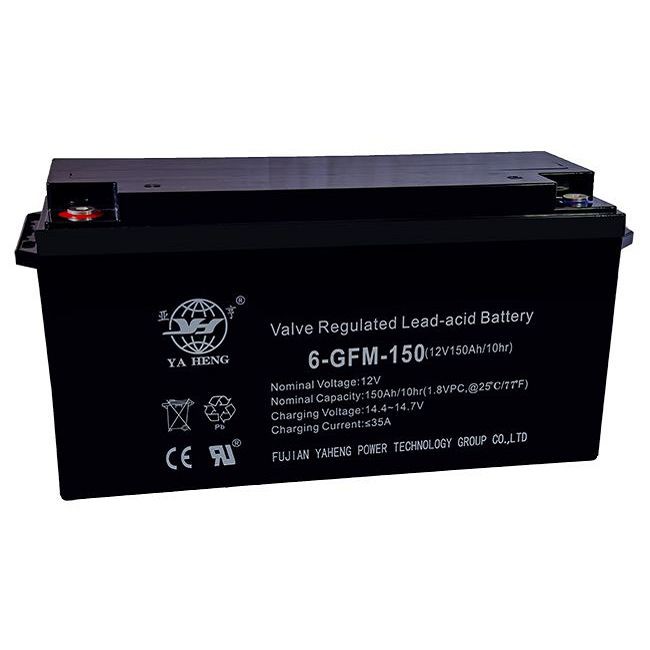

Different Types of Power Stations and Surge Protection
It's also worth mentioning the different types of power stations available. For example, a Camper Power Station is designed for outdoor use, like camping or RV trips. These power stations are often exposed to different environmental conditions, and the risk of power surges can be different.
In an outdoor setting, there's a higher chance of power fluctuations due to the use of generators or unstable power sources at campsites. A surge protector can be particularly useful here to safeguard your portable electronics, such as laptops, smartphones, and portable chargers.
Similarly, a UPS Power Bank is a more portable version of a UPS. It's great for charging small devices on the go. While it may have some basic surge protection, it's usually limited. If you're using it to charge your expensive smartphone or tablet, an external surge protector can give you that extra peace of mind.
Installation and Compatibility
When using a surge protector with a UPS Power Station, it's important to ensure proper installation and compatibility. You should connect the surge protector to the main power source first and then connect the UPS to the surge protector. This way, the surge protector can do its job of protecting against incoming surges before the power reaches the UPS.
Also, make sure that the surge protector has a high enough joule rating. The joule rating indicates how much energy the surge protector can absorb before it fails. A higher joule rating means better protection. You'll want to choose a surge protector with a rating that's appropriate for your specific needs and the potential magnitude of surges in your area.
Final Thoughts
In conclusion, while many UPS Power Stations offer some level of surge protection, in most cases, using an external surge protector is a smart move. It provides an extra layer of security for your electronics, especially in areas with a high risk of power surges or when using valuable and sensitive devices.
As a supplier of UPS Power Stations, I've seen firsthand the damage that power surges can cause. I always recommend that my customers take every precaution to protect their electronics. Whether you're a homeowner looking to safeguard your home office equipment or a business owner protecting your critical servers, a combination of a UPS Power Station and a surge protector is often the best way to go.
If you're interested in learning more about our UPS Power Stations, UPS Power Banks, or Camper Power Stations, or if you have any questions about surge protection and power management, feel free to reach out. We're here to help you make the best choices for your power protection needs. Let's start a conversation about how we can ensure your electronics stay safe and operational.
References
- "Surge Protection Basics" - Electrical Safety Foundation International
- "Understanding UPS Systems" - Power Electronics Handbook