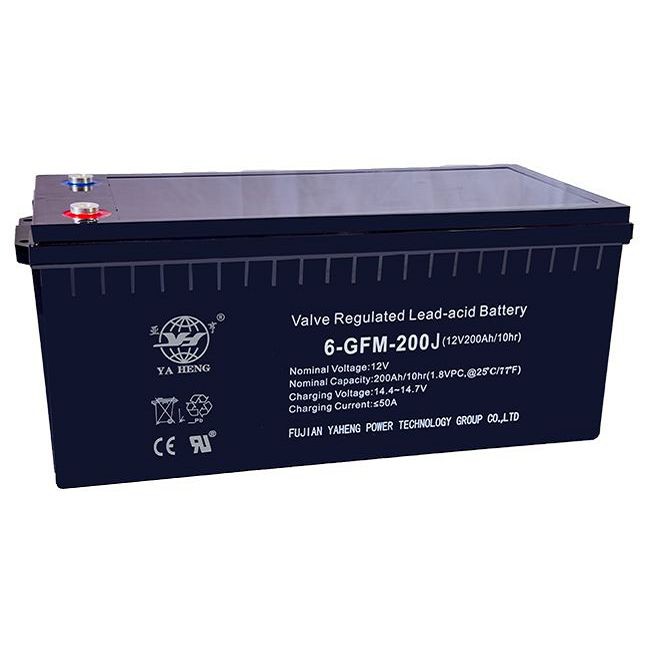
Hey there! As a supplier of GEL batteries, I've seen firsthand how important it is to maintain these powerhouses properly. GEL batteries are a popular choice for various applications, from Camper Power Battery to RV Power Station Battery and Jump Starter Power Battery. They offer a lot of benefits, like deep cycling capabilities, long service life, and maintenance - free operation to a certain extent. But to make the most of them, you gotta know how to take good care of 'em. So, let's dive into the nitty - gritty of maintaining a GEL battery.
1. Installation
First things first, the way you install your GEL battery can have a big impact on its lifespan. Make sure to mount the battery in a well - ventilated area. GEL batteries produce hydrogen gas during charging, and if the gas builds up, it can be a safety hazard. A well - ventilated space allows the gas to dissipate safely.
Also, keep the battery away from direct sunlight and extreme temperatures. High temperatures can accelerate the chemical reactions inside the battery, leading to faster degradation. On the other hand, extremely cold temperatures can reduce the battery's capacity. So, find a spot where the temperature is relatively stable.
When connecting the battery, use the right size of cables. Loose or incorrect cables can cause high resistance, which leads to heat generation and energy loss. Make sure all connections are tight and clean. A dirty or loose connection can cause voltage drops and affect the battery's performance.
2. Charging
Proper charging is crucial for GEL batteries. Unlike some other types of batteries, GEL batteries require a specific charging profile. You need to use a charger that is designed for GEL batteries. These chargers have the right voltage and current settings to ensure a safe and efficient charge.
Overcharging a GEL battery can be a real problem. It can cause the electrolyte to break down and form gas bubbles, which can damage the internal structure of the battery. To avoid overcharging, use a charger with an automatic shut - off feature. This way, once the battery is fully charged, the charger will stop supplying power.
Undercharging is also bad news. If a GEL battery is constantly undercharged, it can lead to sulfation. Sulfation occurs when lead sulfate crystals build up on the battery plates, reducing the battery's capacity and lifespan. So, make sure to charge the battery fully whenever it gets low.
The charging rate is another important factor. It's generally recommended to charge GEL batteries at a relatively slow rate. A slow charge allows the battery to absorb the energy evenly and reduces the risk of overheating.
3. Discharging
When it comes to discharging a GEL battery, you don't want to go too far. GEL batteries are designed to be deep - cycled, but that doesn't mean you should discharge them completely. Most manufacturers recommend not discharging a GEL battery below 50% of its capacity on a regular basis.
Frequent deep discharges can cause irreversible damage to the battery. The lead plates inside the battery can warp and the electrolyte can become imbalanced. If you need to use a large amount of power, it's better to use multiple batteries in parallel to share the load.
Also, avoid rapid discharging. A sudden high - current draw can put a lot of stress on the battery and reduce its performance over time. If you're using a device that requires a high current, make sure the battery is properly sized for the load.
4. Maintenance Checks
Regular maintenance checks are a must. Start by visually inspecting the battery. Look for any signs of damage, like cracks in the casing or leaks. If you notice any damage, it's best to replace the battery as soon as possible.
Check the electrolyte level. Although GEL batteries are considered maintenance - free, the electrolyte can still evaporate over time. If the electrolyte level is low, it can affect the battery's performance. However, adding water to a GEL battery is a bit tricky. Unlike flooded lead - acid batteries, you can't just add distilled water. You may need to consult the manufacturer for specific instructions.
Measure the battery voltage regularly. A fully charged GEL battery should have a voltage of around 12.7 - 13.2 volts. If the voltage is significantly lower, it may indicate that the battery is not fully charged or there is a problem with the battery.
5. Storage
If you're not going to use the GEL battery for a while, proper storage is essential. First, charge the battery fully before storing it. A fully charged battery is less likely to sulfate during storage.
Store the battery in a cool, dry place. As mentioned before, extreme temperatures can damage the battery. A temperature between 10 - 20°C is ideal for storage.
It's also a good idea to recharge the battery every few months. Even when not in use, a battery will self - discharge over time. Recharging it periodically helps maintain its capacity.

6. Cleaning
Keep the battery clean. Dirt and grime on the battery surface can cause a short - circuit. Use a clean, dry cloth to wipe the battery. If there are stubborn stains, you can use a mild detergent solution, but make sure to rinse it off thoroughly and dry the battery completely.
Avoid using abrasive materials to clean the battery, as they can scratch the casing and expose the internal components to moisture and air.
In conclusion, maintaining a GEL battery isn't overly complicated, but it does require some attention to detail. By following these tips, you can extend the lifespan of your GEL battery and ensure it performs at its best.
If you're in the market for high - quality GEL batteries for your Camper Power Battery, RV Power Station Battery, or Jump Starter Power Battery needs, I'd love to have a chat with you. Feel free to reach out for more information and to discuss your specific requirements. Let's work together to get you the best power solution for your needs.
References
- Battery University: A great resource for all things related to battery technology and maintenance.
- Manufacturer's manuals: Always refer to the specific instructions provided by the battery manufacturer for the best maintenance practices.