

In the realm of energy storage, the cost is a pivotal factor that influences decision - making for consumers, businesses, and industries alike. As a storage battery supplier, I am often asked about how the cost of storage batteries compares to other energy storage options. This blog post aims to delve into this topic in detail, providing a comprehensive analysis of the cost dynamics associated with different energy storage solutions.
1. The Basics of Storage Battery Costs
Storage batteries come in various types, such as lead - acid, lithium - ion, and nickel - metal hydride. Each type has its own cost structure, which is influenced by factors like raw material prices, manufacturing processes, and research and development expenses.
Lead - acid batteries are one of the oldest and most widely used types of storage batteries. They are relatively inexpensive due to the abundance of lead and the well - established manufacturing processes. However, they have a relatively short lifespan and lower energy density compared to other types. For example, a typical automotive lead - acid battery used for starting, lighting, and ignition (SLI) applications might cost anywhere from $50 to $200, depending on the size and capacity.
Lithium - ion batteries, on the other hand, have gained significant popularity in recent years, especially in applications like electric vehicles and portable electronics. The cost of lithium - ion batteries has been decreasing steadily over the past decade, thanks to technological advancements and economies of scale. A lithium - ion battery pack for a small consumer device like a smartphone might cost around $20 - $50, while a larger battery pack for an electric vehicle can range from a few thousand dollars to over ten thousand dollars, depending on the capacity.
Nickel - metal hydride batteries offer a balance between the cost and performance of lead - acid and lithium - ion batteries. They are commonly used in hybrid electric vehicles. The cost of a nickel - metal hydride battery pack is typically higher than that of a lead - acid battery but lower than a lithium - ion battery of similar capacity.
2. Comparison with Other Energy Storage Options
2.1 Pumped Hydro Storage
Pumped hydro storage is one of the most established and widely used large - scale energy storage technologies. It works by pumping water from a lower reservoir to a higher reservoir during periods of low electricity demand and then releasing the water to generate electricity during peak demand.
The initial capital cost of pumped hydro storage is extremely high. Building a pumped hydro storage facility requires significant investment in infrastructure, including dams, reservoirs, pumps, and turbines. The cost can range from hundreds of millions to billions of dollars, depending on the size and location of the project. However, over the long - term, the cost per kilowatt - hour of stored energy can be relatively low due to its long lifespan (up to 50 - 100 years) and high efficiency (up to 80 - 90%).
In comparison, storage batteries have a much lower initial capital cost for small to medium - scale applications. For example, a commercial - scale lithium - ion battery energy storage system with a capacity of a few megawatt - hours can cost several million dollars, which is significantly less than building a pumped hydro storage facility of the same energy - storage capacity.
2.2 Compressed Air Energy Storage (CAES)
Compressed air energy storage stores energy by compressing air and then releasing it to drive a turbine and generate electricity. There are two main types of CAES: diabatic and adiabatic.
Diabatic CAES systems use natural gas to heat the compressed air before it enters the turbine, which adds to the operating cost. The capital cost of a CAES system is also relatively high, as it requires large underground caverns or above - ground pressure vessels for air storage. The overall cost of a CAES project can range from tens of millions to hundreds of millions of dollars.
Adiabatic CAES systems, which store the heat generated during compression and reuse it during expansion, are more efficient but also more expensive to build. Storage batteries, in contrast, can be installed more quickly and at a lower cost for many applications. They also have the advantage of being modular, which means that the storage capacity can be easily expanded as needed.
2.3 Flywheel Energy Storage
Flywheel energy storage stores energy in the form of rotational kinetic energy. A flywheel is a spinning mass that is accelerated by an electric motor during charging and then decelerated to generate electricity during discharging.
Flywheel energy storage systems have a relatively high capital cost per kilowatt - hour of storage capacity. The cost is mainly due to the high - precision manufacturing required for the flywheel and the control systems. However, flywheels have a very high power density and can respond very quickly to changes in demand, making them suitable for applications that require rapid energy discharge, such as frequency regulation in the power grid.
Storage batteries, while having a lower power density compared to flywheels in some cases, offer a more cost - effective solution for applications that require longer - term energy storage. For example, for a residential solar energy storage system, a storage battery can provide a more affordable and practical option for storing excess solar energy during the day for use at night.
3. Considerations Beyond Initial Cost
When comparing the cost of storage batteries to other energy storage options, it is important to consider factors beyond the initial capital cost.
3.1 Operating and Maintenance Costs
Storage batteries require regular maintenance, such as monitoring the state of charge, temperature, and electrolyte levels (for lead - acid batteries). However, the maintenance requirements are generally lower compared to pumped hydro storage, which requires continuous monitoring of dams, reservoirs, and mechanical equipment.
CAES systems also have significant maintenance requirements, especially for the compressors, turbines, and underground storage facilities. Flywheel energy storage systems need to be maintained to ensure the integrity of the spinning mass and the bearings.
3.2 Lifespan and Cycle Life
The lifespan of a storage battery can vary depending on the type and usage. Lithium - ion batteries typically have a longer cycle life (the number of charge - discharge cycles) compared to lead - acid batteries. A high - quality lithium - ion battery can last for several thousand cycles, while a lead - acid battery might last for a few hundred cycles.
Pumped hydro storage facilities can have a very long lifespan, as mentioned earlier. CAES systems also have a relatively long lifespan, but the components such as compressors and turbines may need to be replaced periodically. Flywheel energy storage systems can have a long lifespan if properly maintained, but the bearings and other moving parts may wear out over time.
3.3 Energy Efficiency
Energy efficiency is another important factor. Storage batteries generally have an energy efficiency of around 80 - 90%, depending on the type and operating conditions. Pumped hydro storage can achieve high efficiencies of up to 80 - 90%. CAES systems have lower efficiencies, especially diabatic systems, which lose energy in the form of heat during the compression and expansion processes. Flywheel energy storage systems can have very high efficiencies, but the losses occur mainly due to friction in the bearings and air resistance.
4. Our Storage Battery Products and Cost - effectiveness
As a storage battery supplier, we offer a range of high - quality storage battery products, including Camper Power Bank, Camper Power Station, and Camping Power Battery. These products are designed to meet the diverse energy storage needs of our customers, whether it's for outdoor camping, off - grid living, or backup power.

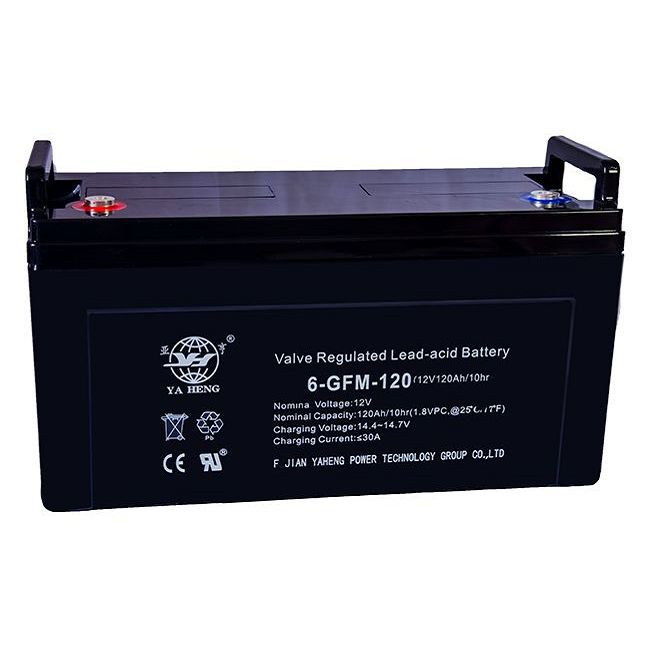
Our lithium - ion batteries are known for their high energy density, long cycle life, and relatively low cost compared to other options. We have optimized our manufacturing processes to reduce costs without compromising on quality. By leveraging economies of scale and continuous research and development, we are able to offer competitive prices for our storage battery products.
5. Conclusion and Call to Action
In conclusion, the cost of storage batteries compares favorably to other energy storage options in many applications, especially for small to medium - scale and distributed energy storage. While the initial capital cost is an important consideration, factors such as operating and maintenance costs, lifespan, cycle life, and energy efficiency also play a crucial role in determining the overall cost - effectiveness of an energy storage solution.
If you are interested in learning more about our storage battery products or would like to discuss your specific energy storage needs, we encourage you to reach out to us for a procurement negotiation. We are committed to providing you with the best - in - class storage battery solutions at competitive prices.
References
- "Energy Storage Handbook" by the Electric Power Research Institute (EPRI).
- "Battery Energy Storage Systems: Technology, Design, and Applications" by Nasrul Azwan Harun and Mohd Zulkifli Osman.
- Various industry reports and research papers on energy storage technologies.


