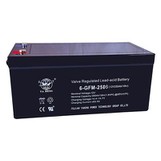
The lifespan of an audio battery is a crucial factor that both consumers and audio equipment manufacturers need to consider. As a professional audio battery supplier, I've delved deep into this topic to offer you a comprehensive understanding.
Factors Affecting the Lifespan of Audio Batteries
Battery Chemistry
One of the most significant factors determining the lifespan of an audio battery is its chemistry. There are several common types of battery chemistries used in audio devices, each with its own characteristics.
- Alkaline Batteries: These are widely available and relatively inexpensive. They have a decent shelf - life and can provide a stable voltage for a certain period. However, their capacity gradually decreases over time, especially when used in high - drain audio devices. Alkaline batteries typically last from a few hours to a few days in portable audio players, depending on usage patterns. For example, in a low - power Bluetooth speaker, an alkaline battery might last for 10 - 15 hours of continuous playback.
- Nickel - Metal Hydride (NiMH) Batteries: NiMH batteries are rechargeable and have a higher energy density compared to alkaline batteries. They can be recharged hundreds of times, which extends their overall lifespan. In audio applications, NiMH batteries can last for several years if properly maintained. For instance, in a high - end portable headphone amplifier, a set of NiMH batteries can provide power for 8 - 12 hours per charge and can endure 500 - 1000 charge - discharge cycles.
- Lithium - Ion (Li - Ion) Batteries: Li - Ion batteries are the most popular choice for modern audio devices due to their high energy density, low self - discharge rate, and long cycle life. They can last for several years in audio equipment. In a smartphone used for audio playback, a Li - Ion battery can typically last for 2 - 3 years before its capacity drops significantly. The number of charge - discharge cycles for Li - Ion batteries can range from 300 - 500 for lower - quality ones to over 1000 for high - end batteries.
Usage Patterns
How an audio device is used also has a major impact on the battery lifespan.
- Continuous vs. Intermittent Use: Continuous use of an audio device puts a constant load on the battery, which can accelerate its degradation. For example, a wireless microphone used in a long - term live performance will experience more wear and tear on its battery compared to one used for short, intermittent periods. If an audio device is used continuously at high volume, the battery will drain faster and may have a shorter overall lifespan.
- Volume and Power Consumption: Higher volume levels require more power from the battery. In a home audio system, playing music at maximum volume will significantly reduce the battery life compared to playing at a moderate volume. For portable audio devices like MP3 players, using features such as equalizers, high - resolution audio playback, and Bluetooth connectivity also increases power consumption and can shorten the battery lifespan.
Environmental Conditions
The environment in which an audio battery operates can greatly affect its lifespan.
- Temperature: Extreme temperatures are detrimental to battery health. High temperatures can cause the battery to degrade faster by accelerating chemical reactions inside the battery. For example, leaving an audio device in a hot car can cause the battery to lose capacity more quickly. On the other hand, very low temperatures can reduce the battery's performance and capacity temporarily. Li - Ion batteries, in particular, are sensitive to temperature changes. They perform best at room temperature (around 20 - 25°C).
- Humidity: High humidity can cause corrosion on the battery terminals, which can lead to poor electrical contact and reduced battery performance. Moisture can also seep into the battery and damage its internal components. It's important to store audio devices with batteries in a dry environment to prevent these issues.
How to Extend the Lifespan of Audio Batteries
Proper Charging Practices
- Use the Right Charger: Always use the charger recommended by the battery or device manufacturer. Using an incompatible charger can overcharge or undercharge the battery, which can damage it and reduce its lifespan. For example, using a charger with too high a voltage for a Li - Ion battery can cause overheating and shorten its cycle life.
- Avoid Overcharging and Deep Discharging: Overcharging can cause the battery to overheat and degrade its internal components. Similarly, deep discharging (completely draining the battery) can also damage the battery. It's best to keep the battery charge level between 20% and 80% for Li - Ion batteries. For NiMH batteries, it's advisable to avoid leaving them fully discharged for extended periods.
Storage Conditions
- Store at the Right Temperature: If you need to store audio batteries for an extended period, store them at a cool, dry place. For Li - Ion batteries, it's recommended to store them at around 40% charge at a temperature of about 15°C. This helps to minimize self - discharge and degradation during storage.
- Keep the Battery Clean: Regularly clean the battery terminals to prevent corrosion. You can use a dry cloth or a small amount of rubbing alcohol on a cotton swab to clean the terminals gently.
Real - World Examples of Audio Battery Lifespan
Let's take a look at some common audio devices and their typical battery lifespans.
- Portable Bluetooth Speakers: These devices usually use Li - Ion or NiMH batteries. A mid - range portable Bluetooth speaker with a Li - Ion battery can last for 2 - 3 years with normal use. If used for 2 - 3 hours a day, the battery may need to be replaced after 3 - 4 years.
- Wireless Headphones: Wireless headphones often rely on Li - Ion batteries. With regular use of 2 - 4 hours per day, the battery in wireless headphones can last for about 2 - 3 years. However, if the headphones are used for longer periods or at high volume, the battery lifespan may be shorter.
- Audio Mixers: Larger audio mixers used in professional settings may use rechargeable batteries such as NiMH or Li - Ion. Depending on the usage frequency and power consumption, the batteries in audio mixers can last for 3 - 5 years before needing replacement.
Our Company's Audio Batteries
As an audio battery supplier, we offer a wide range of high - quality batteries suitable for various audio devices. Our batteries are designed with advanced technology to ensure long - lasting performance and reliability.
We also provide batteries for other applications, such as the Electric Cleaning Machine Battery, Electric Curtain Battery, and Off - line Power System. These batteries are engineered to meet the specific power requirements of these devices and offer excellent durability.


If you are in the market for audio batteries or have any questions about battery lifespan and performance, we encourage you to contact us for procurement and further discussions. We are committed to providing you with the best battery solutions for your audio needs.
References
- Battery University: A comprehensive resource on battery technology and maintenance.
- Manufacturer specifications of various audio devices and batteries.
- Industry research reports on battery performance and lifespan in audio applications.