In the era of sustainable energy, wind power has emerged as a pivotal player in the global shift towards clean and renewable sources. As a dedicated Wind Power System supplier, I understand the critical importance of ensuring the reliability of these systems. A reliable wind power system not only guarantees a consistent energy supply but also enhances the overall efficiency and profitability of the energy project. In this blog, I will share some key strategies and practices that we, as a supplier, adopt to ensure the reliability of our Wind Power System.
High - Quality Component Selection
The foundation of a reliable wind power system lies in the quality of its components. We meticulously select each part, from the blades and gearbox to the generator and control system. High - quality blades are essential as they are responsible for capturing the wind's energy. We source blades made from advanced composite materials that offer high strength - to - weight ratios, corrosion resistance, and excellent aerodynamic performance. These materials can withstand harsh environmental conditions, such as strong winds, extreme temperatures, and humidity, ensuring long - term durability.
The gearbox is another crucial component. It converts the low - speed rotation of the blades into high - speed rotation suitable for the generator. We choose gearboxes from reputable manufacturers known for their precision engineering and robust construction. These gearboxes are designed to minimize power losses and have a long service life, reducing the need for frequent replacements.
The generator is the heart of the wind power system, converting mechanical energy into electrical energy. We opt for generators with high efficiency and reliability. They are built with high - quality copper windings and advanced magnetic materials to ensure stable power output. Additionally, the control system plays a vital role in regulating the operation of the wind turbine. Our control systems are equipped with advanced sensors and algorithms that can monitor various parameters, such as wind speed, direction, and turbine performance, and make real - time adjustments to optimize the system's operation.
Rigorous Testing and Quality Control
Before our Wind Power System leaves the factory, it undergoes a series of rigorous tests and quality control procedures. We conduct both laboratory and field tests to simulate different operating conditions. In the laboratory, we test individual components for their mechanical, electrical, and thermal properties. For example, we subject the blades to fatigue tests to ensure they can withstand millions of cycles of bending and torsion without failure.
The assembled wind turbines are then tested in the field. We install them in test sites with different wind conditions to evaluate their performance under real - world scenarios. During these tests, we monitor key performance indicators, such as power output, efficiency, and noise levels. Any issues or deviations from the design specifications are immediately addressed, and the system is adjusted or modified accordingly.
Our quality control team follows strict quality management systems, such as ISO 9001. They conduct regular inspections throughout the manufacturing process to ensure that all components and systems meet the highest quality standards. This includes checking the dimensions, material properties, and assembly quality of each part.
Advanced Monitoring and Maintenance
Once the wind power system is installed at the customer's site, we provide advanced monitoring and maintenance services. Our monitoring systems use remote sensors and communication technologies to collect real - time data on the system's performance. This data includes information on power output, temperature, vibration, and wind conditions. By analyzing this data, we can detect potential problems early, such as abnormal vibrations indicating a mechanical issue or a drop in power output suggesting a generator problem.
Based on the monitoring results, we develop customized maintenance plans for each system. Regular maintenance tasks include lubrication, inspection of electrical connections, and replacement of worn - out parts. We also offer predictive maintenance services, which use advanced analytics and machine learning algorithms to predict when a component is likely to fail. This allows us to schedule maintenance activities in advance, minimizing downtime and reducing maintenance costs.
Integration with Energy Storage Systems
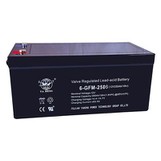
Integrating the wind power system with an energy storage system, such as a battery for solar power system, can significantly enhance its reliability. Wind energy is intermittent, as the wind does not blow constantly at a consistent speed. Energy storage systems can store excess energy generated during periods of high wind and release it when the wind is weak or calm.
This integration helps to smooth out the power output of the wind power system, ensuring a more stable and reliable energy supply. It also allows the system to meet the energy demands of the customer more effectively, especially in areas with high energy consumption peaks. For residential applications, integrating a wind power system with a House Power System and a battery storage system can provide a self - sufficient and reliable power solution for households.
Skilled Installation and Commissioning
Proper installation and commissioning are essential for the reliable operation of a wind power system. Our installation teams are highly skilled and experienced in installing wind turbines in various terrains and environmental conditions. They follow strict installation guidelines and safety procedures to ensure that the system is installed correctly.
During the commissioning process, we conduct a comprehensive set of tests to verify the proper functioning of the system. This includes checking the electrical connections, testing the control system, and calibrating the sensors. Only after the system has passed all the commissioning tests is it handed over to the customer.


Training and Support for Customers
We understand that the reliability of the wind power system also depends on the proper operation and maintenance by the customer. Therefore, we provide comprehensive training and support services to our customers. Our training programs cover topics such as system operation, maintenance procedures, and safety guidelines. We also offer on - site training if required.
In addition to training, we provide continuous technical support to our customers. Our technical support team is available 24/7 to answer any questions or address any issues that the customer may encounter. We also keep the customer informed about the latest technological advancements and best practices in wind power system operation and maintenance.
Conclusion
Ensuring the reliability of a wind power system is a multi - faceted process that involves high - quality component selection, rigorous testing, advanced monitoring, and maintenance, integration with energy storage systems, skilled installation, and customer support. As a Wind Power System supplier, we are committed to providing our customers with reliable and efficient wind power solutions.
If you are interested in our Wind Power System or have any questions about ensuring the reliability of wind power systems, we welcome you to contact us for procurement and further discussions. We look forward to working with you to achieve a sustainable and reliable energy future.
References
- "Wind Energy Handbook" by Tony Burton, David Sharpe, Nick Jenkins, and Ervin Bossanyi.
- International Electrotechnical Commission (IEC) standards for wind turbines.
- Industry reports on wind power system reliability and performance.