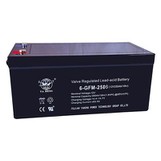
In the realm of uninterruptible power supply (UPS) systems, the battery is a critical component that directly influences the system's performance and reliability. As a professional UPS Power Battery supplier, I've witnessed firsthand how the size of a battery can significantly impact a UPS power battery's functionality. This blog post aims to explore the various ways in which battery size affects a UPS power battery, from capacity and runtime to efficiency and cost.


Capacity and Runtime
One of the most obvious ways in which battery size affects a UPS power battery is through its capacity. Battery capacity is typically measured in ampere - hours (Ah) or watt - hours (Wh). A larger battery size generally means a higher capacity, which translates into a longer runtime for the UPS system.
When a power outage occurs, the UPS relies on its battery to provide power to connected devices. The runtime of the UPS is determined by the load (the power consumed by the connected devices) and the battery capacity. For example, if you have a small office setup with a few computers and a router, a Small UPS Battery with a relatively low capacity might be sufficient to keep these devices running for a short period, say 15 - 30 minutes. This allows you to save your work and shut down the equipment properly.
However, for larger commercial setups, such as data centers or industrial facilities, a much larger battery size is required. These environments often have high - power equipment that needs to be kept running for an extended period during a power outage. A larger battery can store more energy, enabling the UPS to support the load for hours or even days in some cases. This is crucial for preventing data loss, maintaining business continuity, and avoiding costly downtime.
Voltage and Power Output
Battery size also affects the voltage and power output of a UPS power battery. In a UPS system, multiple batteries are often connected in series or parallel to achieve the desired voltage and capacity. A larger battery may have a higher nominal voltage, which can be beneficial for powering certain types of equipment.
For instance, some high - power servers and industrial machinery require a higher voltage to operate efficiently. A UPS with a larger battery size can be configured to provide the appropriate voltage level, ensuring that the connected equipment receives a stable and reliable power supply. Additionally, a larger battery can deliver a higher power output, which is essential for handling sudden surges in power demand.
In an On - line UPS, the battery is constantly in use, even when the main power supply is available. This type of UPS provides a seamless transition to battery power during a power outage and requires a battery that can handle continuous operation. A larger battery size can better meet the power requirements of an on - line UPS, ensuring its smooth and efficient operation.
Efficiency and Heat Dissipation
The size of a battery can have an impact on the efficiency of a UPS power battery. Larger batteries generally have a lower internal resistance compared to smaller ones. Lower internal resistance means less energy is wasted as heat during the charging and discharging processes, resulting in higher overall efficiency.
When a battery is charging or discharging, some of the electrical energy is converted into heat. If the battery is too small for the load, it may need to work harder to provide the required power, which can lead to increased heat generation. Excessive heat can reduce the battery's lifespan and performance, and in extreme cases, it can even pose a safety hazard.
A larger battery can dissipate heat more effectively due to its larger surface area. This helps to maintain a lower operating temperature, which is beneficial for the battery's long - term health. Moreover, a cooler battery is more efficient, as it can charge and discharge more effectively, reducing the overall energy consumption of the UPS system.
Cost and Installation
The size of a UPS power battery also has implications for cost and installation. Larger batteries are generally more expensive than smaller ones. This is due to the increased amount of raw materials used in their construction, as well as the higher manufacturing costs. When considering a UPS system, the cost of the battery is a significant factor, especially for budget - conscious customers.
In addition to the upfront cost, there are also installation costs to consider. Larger batteries are heavier and bulkier, which may require special handling and installation procedures. They may also need more space for installation, which can be a challenge in some environments. For example, in a small office with limited floor space, installing a large battery may not be practical.
However, it's important to note that while larger batteries may have a higher initial cost, they can provide significant long - term savings. A larger battery with a longer lifespan and higher efficiency can reduce the need for frequent battery replacements and lower the overall energy consumption of the UPS system.
Environmental Considerations
The size of a UPS power battery can also have environmental implications. Larger batteries typically contain more hazardous materials, such as lead - acid or lithium - ion, which need to be disposed of properly at the end of their lifespan. Improper disposal of these batteries can have a negative impact on the environment, including soil and water pollution.
As a responsible UPS Power Battery supplier, we are committed to promoting sustainable practices. We offer recycling programs for our batteries to ensure that they are disposed of in an environmentally friendly manner. Additionally, we are constantly researching and developing more sustainable battery technologies, such as advanced lithium - ion batteries, which have a lower environmental impact.
Conclusion
In conclusion, the size of a UPS power battery plays a crucial role in determining its performance, reliability, and cost - effectiveness. From capacity and runtime to voltage, efficiency, and environmental impact, every aspect of the UPS system is affected by the battery size.
As a UPS Power Battery supplier, we understand the diverse needs of our customers and can provide customized solutions based on their specific requirements. Whether you need a Small UPS Battery for a home office or a large Power Supply Battery for a data center, we have the expertise and products to meet your needs.
If you are interested in learning more about our UPS power batteries or would like to discuss your specific requirements, please don't hesitate to contact us. We are here to help you make the right choice for your power protection needs.
References
- "Handbook of Batteries" by David Linden and Thomas B. Reddy
- "Uninterruptible Power Supplies" by David W. Hart