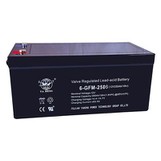
Temperature is a critical factor that significantly influences the performance and lifespan of solar batteries. As a solar battery supplier, understanding these effects is essential for providing customers with the best products and advice. In this blog, we will delve into how temperature impacts solar batteries, covering various aspects such as efficiency, capacity, and long - term durability.
Efficiency of Solar Batteries at Different Temperatures
The efficiency of a solar battery refers to its ability to convert and store electrical energy effectively. Generally, solar batteries operate within an optimal temperature range, and deviations from this range can lead to reduced efficiency.
At high temperatures, the internal resistance of a solar battery tends to decrease. While this might seem beneficial at first glance, it actually causes the battery to self - discharge more rapidly. The chemical reactions inside the battery are accelerated, which can lead to overheating. Overheating, in turn, can cause irreversible damage to the battery's electrodes and electrolyte. For example, in a lithium - ion solar battery, high temperatures can cause the breakdown of the solid electrolyte interphase (SEI) layer on the anode. This layer is crucial for maintaining the battery's stability and preventing the decomposition of the electrolyte. Once the SEI layer is damaged, the battery's efficiency drops significantly, and its overall performance deteriorates.
On the other hand, low temperatures can also have a negative impact on battery efficiency. When the temperature drops, the viscosity of the electrolyte in the battery increases. This makes it more difficult for ions to move within the battery, which slows down the chemical reactions required for charging and discharging. As a result, the battery's ability to deliver power is reduced. For instance, in cold weather, a lead - acid solar battery may experience a significant decrease in its output voltage, making it less effective in powering electrical devices.
Impact of Temperature on Battery Capacity
Battery capacity is the amount of electrical energy that a battery can store. Temperature has a direct influence on this parameter.
High temperatures can cause a temporary increase in battery capacity. The accelerated chemical reactions allow for more ions to participate in the charge - discharge process, resulting in a higher apparent capacity. However, this increase is short - lived. Prolonged exposure to high temperatures can cause the active materials in the battery to degrade more quickly. In a nickel - cadmium solar battery, for example, high temperatures can lead to the formation of cadmium dendrites, which can short - circuit the battery and reduce its capacity over time.
Low temperatures, conversely, reduce the battery capacity. As mentioned earlier, the increased viscosity of the electrolyte restricts ion movement. This means that fewer ions are available for the charge - discharge reactions, leading to a lower capacity. In some extreme cold conditions, a battery may lose up to 50% of its normal capacity. This is a major concern for solar power systems in cold regions, as it can lead to insufficient energy storage and power shortages.
Long - Term Durability and Temperature
The lifespan of a solar battery is also closely related to temperature. High temperatures are one of the main factors that contribute to the premature aging of batteries. The accelerated chemical reactions not only reduce efficiency and capacity but also cause physical changes in the battery components.
In lithium - ion batteries, high temperatures can cause the cathode material to degrade. This degradation leads to a loss of active material, which in turn reduces the battery's ability to store and release energy. Additionally, high temperatures can cause the electrolyte to evaporate or decompose, further shortening the battery's lifespan.
Low temperatures, while not as immediately damaging as high temperatures, can also have long - term effects. The repeated expansion and contraction of the battery components due to temperature changes can cause mechanical stress. This stress can lead to cracks in the electrodes and separators, which can eventually result in internal short - circuits and battery failure.
Mitigating Temperature Effects
As a solar battery supplier, we offer solutions to mitigate the negative effects of temperature on solar batteries.
One of the most common methods is thermal management. This can involve using insulation materials to protect the battery from extreme temperatures. For outdoor solar power systems, insulated battery enclosures can be used to keep the battery at a more stable temperature. Additionally, active cooling or heating systems can be installed. In hot climates, a cooling system can be used to remove excess heat from the battery. This can be as simple as a fan or as complex as a liquid - cooling system. In cold climates, a heating system can be used to keep the battery warm enough to function properly.
Another solution is to choose the right type of battery for the specific temperature conditions. Different battery chemistries have different temperature tolerances. For example, lithium - ion batteries generally perform better at higher temperatures compared to lead - acid batteries. However, lead - acid batteries are more tolerant of cold temperatures in some cases. By understanding the temperature requirements of the application, we can recommend the most suitable battery to our customers.
Applications and Temperature Considerations
Solar batteries are used in various applications, each with its own temperature requirements.
The House Power System is one of the most common applications of solar batteries. In a residential setting, the battery needs to be able to operate efficiently in a wide range of temperatures. During the summer, when the temperature can be very high, the battery should be protected from overheating. In the winter, it should still be able to provide sufficient power despite the cold. Our solar batteries are designed to meet these requirements, with built - in thermal management features to ensure reliable performance.
The On - line Power System is another important application. These systems are often used in commercial and industrial settings, where a continuous and stable power supply is crucial. Temperature control is even more critical in these applications, as any disruption in power can lead to significant losses. Our on - line power system batteries are engineered to withstand extreme temperatures and provide consistent performance.
For those looking for a battery for solar power system, it is essential to consider the temperature conditions of the installation site. Whether it is a small off - grid system or a large - scale utility - scale system, the battery's performance will be affected by temperature. We can provide customized solutions based on the specific temperature requirements of each project.
Conclusion
Temperature has a profound impact on the performance, capacity, and lifespan of solar batteries. As a solar battery supplier, we are committed to providing our customers with high - quality products that can withstand a wide range of temperature conditions. By understanding the effects of temperature on solar batteries and implementing appropriate mitigation strategies, we can ensure that our customers get the most out of their solar power systems.


If you are interested in purchasing solar batteries for your project, we invite you to contact us for a detailed consultation. Our team of experts can help you choose the right battery based on your specific temperature requirements and application needs. We look forward to working with you to achieve your renewable energy goals.
References
- Linden, D., & Reddy, T. B. (2002). Handbook of Batteries. McGraw - Hill.
- Winter, M., & Brodd, R. J. (2004). What Are Batteries, Fuel Cells, and Supercapacitors? Chemical Reviews, 104(10), 4245 - 4269.
- Rand, D. A. J., Moseley, P. T., Garche, J., & Parker, C. (2004). Valve - Regulated Lead - Acid Batteries. Elsevier.