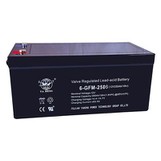
Maintaining a small UPS (Uninterruptible Power Supply) battery is crucial for ensuring its longevity and reliable performance. As a supplier of Small UPS Battery, I have witnessed firsthand the impact of proper maintenance on battery life and functionality. In this blog post, I will share some essential tips on how to maintain a small UPS battery effectively.
Understanding the Basics of Small UPS Batteries
Before delving into maintenance tips, it's important to understand the basic components and working principles of small UPS batteries. Small UPS batteries are typically lead-acid batteries, which come in two main types: flooded lead-acid (FLA) and valve-regulated lead-acid (VRLA). VRLA batteries, including absorbed glass mat (AGM) and gel batteries, are more commonly used in small UPS systems due to their sealed design, which eliminates the need for maintenance and reduces the risk of acid leakage.
The primary function of a small UPS battery is to provide backup power during a power outage. When the main power supply fails, the UPS battery kicks in and supplies electricity to connected devices, allowing them to continue operating for a limited period. This is especially important for critical equipment such as computers, servers, and medical devices, which require continuous power to prevent data loss and equipment damage.
Regular Inspection and Cleaning
One of the simplest yet most effective ways to maintain a small UPS battery is to perform regular inspections and cleaning. Inspect the battery for any signs of damage, such as cracks, leaks, or bulges. If you notice any of these issues, it's important to replace the battery immediately to prevent further damage and ensure safety.


Clean the battery terminals regularly to prevent corrosion, which can impede the flow of electricity and reduce battery performance. Use a mixture of baking soda and water to clean the terminals, and then rinse them thoroughly with clean water. Make sure to dry the terminals completely before reconnecting them to the UPS system.
Proper Charging and Discharging
Proper charging and discharging are essential for maintaining the health of a small UPS battery. Overcharging or undercharging the battery can significantly reduce its lifespan and performance. Most modern UPS systems are equipped with built-in charging controllers that automatically regulate the charging process, but it's still important to follow the manufacturer's recommendations.
Avoid deep discharging the battery, as this can cause irreversible damage. Instead, aim to keep the battery charged between 20% and 80% of its capacity. If you need to discharge the battery for testing purposes, make sure to recharge it as soon as possible to prevent over-discharging.
Temperature Management
Temperature has a significant impact on the performance and lifespan of a small UPS battery. High temperatures can accelerate the chemical reactions inside the battery, leading to faster degradation and reduced capacity. On the other hand, low temperatures can increase the internal resistance of the battery, reducing its ability to deliver power.
To maintain optimal battery performance, keep the battery in a cool, dry place with a temperature range between 20°C and 25°C (68°F and 77°F). Avoid exposing the battery to direct sunlight or extreme temperatures, as this can cause damage and reduce its lifespan.
Load Management
Proper load management is another important aspect of maintaining a small UPS battery. Make sure to size the UPS system appropriately for the connected devices to avoid overloading the battery. Overloading the battery can cause it to overheat and reduce its lifespan.
Monitor the load on the UPS system regularly and make adjustments as needed. If you need to connect additional devices, make sure to check the UPS system's capacity and ensure that it can handle the increased load.
Testing and Replacement
Regular testing is essential for ensuring the reliability of a small UPS battery. Most UPS systems are equipped with built-in self-test functions that can be used to check the battery's health and performance. Perform these tests regularly to identify any potential issues early on and take appropriate action.
In addition to self-tests, it's also a good idea to perform a full capacity test on the battery at least once a year. This involves discharging the battery completely and then recharging it to measure its actual capacity. If the battery capacity has significantly decreased, it may be time to replace the battery.
Conclusion
Maintaining a small UPS battery is essential for ensuring its longevity and reliable performance. By following the tips outlined in this blog post, you can extend the lifespan of your battery and ensure that it provides reliable backup power when you need it most.
If you have any questions or need further assistance with maintaining your small UPS battery, please feel free to contact us. As a leading supplier of Small UPS Battery, Jump Starter Battery, and UPS Power Battery, we are committed to providing our customers with high-quality products and excellent customer service. We look forward to working with you to meet your power backup needs.
References
- Battery University: https://batteryuniversity.com/
- IEEE Standards Association: https://standards.ieee.org/
- U.S. Department of Energy: https://www.energy.gov/