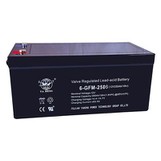
Although On-line UPS systems are renowned for their ability to provide continuous and clean power to critical equipment, they are not without their drawbacks. As a supplier of On-line UPS, I understand the importance of presenting a balanced view to our customers. In this blog post, I will delve into the disadvantages of On-line UPS systems to help you make an informed decision when considering power protection solutions.
High Initial Cost
One of the most significant disadvantages of On-line UPS systems is their high initial cost. Compared to other types of UPS systems, such as Off-line or Line-Interactive UPS, On-line UPS systems are more expensive to purchase. This is because On-line UPS systems continuously convert AC power to DC power and then back to AC power, which requires more complex and expensive components. Additionally, On-line UPS systems typically have larger battery banks to provide longer backup times, which further increases the cost.
For small businesses or home users with limited budgets, the high initial cost of On-line UPS systems can be a deterrent. In such cases, Off-line or Line-Interactive UPS systems may be more suitable, as they are generally less expensive and can still provide adequate power protection for non-critical equipment. However, for businesses that rely on critical equipment, such as servers, data centers, and medical devices, the investment in an On-line UPS system may be justified by the peace of mind it provides.
High Energy Consumption
Another disadvantage of On-line UPS systems is their high energy consumption. Since On-line UPS systems continuously convert AC power to DC power and then back to AC power, they consume more energy than other types of UPS systems. This is because the conversion process is not 100% efficient, and some energy is lost in the form of heat. Additionally, On-line UPS systems typically have larger battery banks, which also consume energy when they are being charged.
The high energy consumption of On-line UPS systems can result in higher electricity bills, especially for businesses that use them for extended periods. To mitigate this issue, some On-line UPS systems are designed with energy-saving features, such as automatic shutdown when the load is low or when the battery is fully charged. However, these features may not be sufficient to offset the high energy consumption of On-line UPS systems.
Limited Battery Life
The battery is a critical component of any UPS system, and On-line UPS systems are no exception. However, the batteries in On-line UPS systems have a limited lifespan, typically ranging from 3 to 5 years. This is because the batteries are continuously charged and discharged, which can cause them to degrade over time. Additionally, the high energy consumption of On-line UPS systems can also accelerate the degradation of the batteries.
When the batteries in an On-line UPS system reach the end of their lifespan, they need to be replaced. This can be a costly and time-consuming process, especially for businesses that use large On-line UPS systems. To extend the lifespan of the batteries in On-line UPS systems, it is important to follow the manufacturer's recommendations for battery maintenance, such as regular charging and discharging, and to keep the batteries in a cool and dry environment.
Large Physical Size
On-line UPS systems are typically larger and heavier than other types of UPS systems. This is because they require more complex and expensive components, such as inverters, rectifiers, and battery banks, which take up more space. Additionally, On-line UPS systems often have larger cooling fans and heat sinks to dissipate the heat generated by the conversion process, which also contribute to their size and weight.
The large physical size of On-line UPS systems can be a challenge for businesses that have limited space. In such cases, it may be necessary to install the On-line UPS system in a separate room or cabinet, which can add to the cost and complexity of the installation. Additionally, the large physical size of On-line UPS systems can also make them more difficult to transport and install, especially for businesses that need to move them frequently.
Complex Installation and Maintenance
On-line UPS systems are more complex to install and maintain than other types of UPS systems. This is because they require more specialized knowledge and skills to install and configure, and they also require regular maintenance to ensure their proper operation. Additionally, On-line UPS systems often have more complex diagnostic and monitoring systems, which can make it more difficult to troubleshoot and repair problems.
The complex installation and maintenance requirements of On-line UPS systems can be a challenge for businesses that do not have the necessary expertise or resources. In such cases, it may be necessary to hire a professional installer or maintenance technician to install and maintain the On-line UPS system. This can add to the cost and complexity of the installation and maintenance process.
Conclusion
In conclusion, On-line UPS systems are a reliable and effective solution for providing continuous and clean power to critical equipment. However, they are not without their drawbacks, including high initial cost, high energy consumption, limited battery life, large physical size, and complex installation and maintenance. As a supplier of On-line UPS, I understand the importance of presenting a balanced view to our customers, and I encourage you to carefully consider these disadvantages when choosing a power protection solution.


If you have any questions or concerns about On-line UPS systems, or if you would like to learn more about our products and services, please do not hesitate to [contact us for procurement discussion]. We are here to help you find the right power protection solution for your needs.