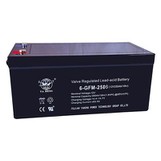
In the dynamic landscape of power management, an On - line UPS (Uninterruptible Power Supply) stands as a stalwart guardian, ensuring continuous and reliable power to critical equipment. One of the key challenges it faces is handling frequency variations, which can occur due to a variety of factors such as grid instability, generator operation, or sudden changes in load. As an On - line UPS supplier, we understand the intricacies of this process and are committed to providing solutions that effectively address frequency fluctuations.
Understanding Frequency Variations
Frequency is a fundamental characteristic of an alternating current (AC) power supply, representing the number of cycles per second and measured in Hertz (Hz). In most parts of the world, the standard grid frequency is either 50 Hz or 60 Hz. However, due to issues like grid congestion, faulty power generation equipment, or natural disasters, the frequency of the incoming power can deviate from these standard values.
Frequency variations can have a significant impact on electrical equipment. For instance, motors may run at incorrect speeds, leading to reduced efficiency and potential mechanical damage. Precision electronic devices, such as servers and medical equipment, are particularly sensitive to frequency changes, which can cause data corruption, system malfunctions, or even permanent damage.
How an On - line UPS Handles Frequency Variations
An On - line UPS operates on a double - conversion principle, which means that it continuously converts the incoming AC power to DC power and then back to AC power. This unique design gives it the ability to isolate the connected load from the incoming power source and provide a stable output regardless of the input conditions.
Input Frequency Tolerance
Most On - line UPS systems have a specified input frequency tolerance range. For example, a typical On - line UPS may have an input frequency tolerance of ± 5 Hz around the nominal frequency (e.g., 50 ± 5 Hz or 60 ± 5 Hz). When the incoming frequency falls within this range, the UPS can operate normally, converting the power without any major issues. However, if the frequency deviates beyond this tolerance, the UPS may take certain actions to protect the load.
Frequency Conversion
The heart of an On - line UPS is its inverter, which is responsible for converting the DC power stored in the batteries back to AC power. The inverter is designed to produce a stable output frequency, typically set at the standard value (50 Hz or 60 Hz). Regardless of the input frequency, the inverter will generate an output with the correct frequency, effectively eliminating any frequency variations from the incoming power.
Battery Backup Mode
In cases where the input frequency deviates significantly from the acceptable range or when there is a complete power outage, the On - line UPS switches to battery backup mode. In this mode, the UPS uses the stored energy in its batteries to power the inverter and provide a continuous supply of AC power to the load. Since the inverter is generating the power independently, it can maintain a stable output frequency, ensuring that the connected equipment operates without interruption.


Automatic Transfer and Synchronization
Some advanced On - line UPS systems are equipped with automatic transfer and synchronization capabilities. When the input frequency returns to the acceptable range after a deviation, the UPS can automatically transfer back to normal operation while synchronizing the output frequency with the incoming frequency. This seamless transition ensures that there is no disruption to the connected load.
Importance of High - Quality Batteries in Frequency Handling
The performance of an On - line UPS in handling frequency variations is closely linked to the quality of its batteries. High - quality batteries, such as Jump Starter Battery, Power Supply Battery, and UPS Power Battery, can store and deliver energy efficiently, allowing the UPS to maintain a stable output during frequency fluctuations.
These batteries are designed to have a long service life, high charge - discharge efficiency, and excellent reliability. They can withstand the frequent charging and discharging cycles that occur during normal UPS operation and provide a consistent power supply to the inverter, even under challenging conditions.
Applications and Benefits
The ability of an On - line UPS to handle frequency variations makes it an ideal choice for a wide range of applications. In data centers, where even a minor frequency deviation can cause servers to crash and result in data loss, an On - line UPS provides a reliable solution to ensure continuous operation. In industrial settings, where motors and other equipment are sensitive to frequency changes, an On - line UPS can protect against damage and downtime.
The benefits of using an On - line UPS for frequency handling are numerous. It provides a high level of power protection, ensuring that critical equipment operates smoothly and efficiently. It also reduces the risk of equipment failure and maintenance costs, as the load is shielded from the adverse effects of frequency variations. Additionally, it enhances the overall reliability of the power supply, which is essential for businesses that rely on continuous operation.
Conclusion
As an On - line UPS supplier, we recognize the importance of providing solutions that can effectively handle frequency variations. Our On - line UPS systems are designed with advanced technology and high - quality components to ensure stable and reliable power delivery, even in the face of challenging input conditions.
If you are looking for a reliable On - line UPS solution to protect your critical equipment from frequency variations and other power issues, we invite you to contact us for a consultation. Our team of experts can help you select the right UPS system based on your specific requirements and provide you with the support and service you need to ensure its optimal performance.
References
- "Uninterruptible Power Supplies (UPS): Principles and Applications" by John M. Eastham
- IEEE Standards for Uninterruptible Power Systems (UPS)
- Manufacturer's technical documentation for On - line UPS systems