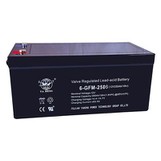
Hey there! As a supplier of UPS Power Battery, I often get asked if it's okay to use a UPS power battery in a high-temperature environment. Well, let's dive right into this topic and find out.
First off, let's understand what a UPS power battery is. A UPS, or Uninterruptible Power Supply, is a device that provides emergency power to a load when the input power source fails. The battery in a UPS is the heart of this system, storing energy so that it can be used during power outages. There are different types of UPS systems, like the On-line UPS, which offers continuous power conditioning and protection.
Now, let's talk about high-temperature environments. High temperatures can have a significant impact on the performance and lifespan of a UPS power battery. Most UPS batteries are designed to operate within a specific temperature range, usually between 20°C and 25°C (68°F and 77°F). When the temperature goes above this range, things start to get a bit dicey.
One of the main issues with high temperatures is that they accelerate the chemical reactions inside the battery. In a lead-acid battery, which is commonly used in UPS systems, high temperatures can cause the electrolyte to evaporate more quickly. This leads to a decrease in the battery's capacity and can also cause the plates inside the battery to corrode faster. As a result, the battery's lifespan can be significantly reduced.
For example, if a UPS battery is designed to last for 5 years under normal operating conditions, using it in a high-temperature environment (say, 35°C or 95°F) could cut its lifespan down to just 2 or 3 years. That's a big difference, especially when you consider the cost of replacing a UPS battery.
Another problem is that high temperatures can affect the battery's charging and discharging efficiency. When the temperature is too high, the battery may not be able to accept a full charge, which means it won't be able to provide as much backup power during a power outage. This can be a major issue, especially for critical applications like data centers or hospitals, where even a short power interruption can cause significant damage.


So, can you use a UPS power battery in a high-temperature environment? The short answer is yes, but you need to take some precautions. Here are some tips to help you use a UPS battery in high temperatures:
- Ventilation: Make sure the area where the UPS is located is well-ventilated. This will help to dissipate the heat generated by the battery and prevent the temperature from rising too high. You can use fans or air conditioning to keep the temperature in check.
- Monitoring: Regularly monitor the temperature of the battery and the UPS system. Most modern UPS systems come with built-in temperature sensors that can alert you if the temperature gets too high. You can also use external temperature monitors to keep an eye on the battery's temperature.
- Cooling systems: Consider using a cooling system specifically designed for UPS batteries. There are some products on the market that can help to keep the battery cool, even in high-temperature environments. These systems can be a bit expensive, but they can be well worth the investment if you need to use your UPS in a hot climate.
- Proper sizing: Make sure you choose a UPS battery that is properly sized for your application. If you're using the UPS in a high-temperature environment, you may need to choose a battery with a higher capacity to compensate for the reduced efficiency.
It's also important to note that different types of batteries have different temperature tolerances. For example, lithium-ion batteries generally have a higher temperature tolerance than lead-acid batteries. If you're operating in a very high-temperature environment, you may want to consider using a lithium-ion battery for your UPS system.
However, lithium-ion batteries also have their own drawbacks. They are more expensive than lead-acid batteries, and they require a more sophisticated charging system. So, you need to weigh the pros and cons before making a decision.
In addition to the temperature issues, high-temperature environments can also pose other challenges for UPS systems. For example, the heat can cause the electronic components in the UPS to overheat, which can lead to malfunctions or even permanent damage. To prevent this, make sure the UPS is installed in a location where it is protected from direct sunlight and other sources of heat.
Now, let's talk about another type of battery that we offer, the Jump Starter Battery. These batteries are designed to provide a quick boost of power to start a vehicle's engine. While they are not typically used in high-temperature environments, the same principles apply. High temperatures can also affect the performance and lifespan of jump starter batteries.
If you're using a jump starter battery in a hot climate, make sure to store it in a cool place when it's not in use. Also, avoid using it for extended periods of time in high temperatures, as this can cause the battery to overheat and potentially damage it.
In conclusion, while it is possible to use a UPS power battery in a high-temperature environment, it's not without its challenges. High temperatures can significantly reduce the battery's performance and lifespan, so it's important to take the necessary precautions to protect your investment. If you're unsure about whether a UPS battery is suitable for your specific application, don't hesitate to contact us. We're here to help you find the right solution for your needs.
Whether you're looking for a reliable UPS power battery for your home office or a large-scale UPS system for a commercial facility, we've got you covered. Our team of experts can help you choose the right battery based on your specific requirements and operating conditions. So, if you're in the market for a UPS power battery, give us a shout. We'd love to have a chat with you and discuss your options.
References:
- Battery University: A comprehensive resource for battery information and technology.
- IEEE Standards Association: Provides standards and guidelines for battery performance and safety.