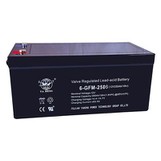
Can I use a power supply battery with other devices?
As a power supply battery supplier, I often receive inquiries from customers about the compatibility of power supply batteries with various devices. This is a crucial question that not only affects the performance of the devices but also their safety. In this blog post, I will delve into the factors to consider when using a power supply battery with other devices and provide some practical guidance.
Understanding the Basics of Power Supply Batteries
Before discussing compatibility, it's essential to understand the basic characteristics of power supply batteries. Power supply batteries come in different types, such as lead - acid batteries, lithium - ion batteries, and nickel - metal hydride batteries. Each type has its own voltage, capacity, and discharge characteristics.
- Voltage: Voltage is the electrical potential difference between the two terminals of a battery. Devices are designed to operate within a specific voltage range. For example, a common smartphone might require a voltage of around 3.7V to 4.2V, while a laptop could need 19V. Using a battery with a voltage that is too high or too low can damage the device or prevent it from functioning properly.
- Capacity: Battery capacity is measured in ampere - hours (Ah) or milliampere - hours (mAh). It indicates the amount of electrical charge a battery can store. A higher - capacity battery can power a device for a longer time, but it may also be larger and heavier.
- Discharge Rate: The discharge rate refers to how quickly a battery can release its stored energy. Some devices, like high - power flashlights or electric tools, require a high discharge rate to operate effectively. If a battery has a low discharge rate, it may not be able to supply enough power to these devices.
Compatibility Factors
1. Voltage Compatibility
The most fundamental factor in determining whether a power supply battery can be used with a device is voltage compatibility. As mentioned earlier, devices are engineered to work within a specific voltage range. If you use a battery with a voltage higher than the device's rated voltage, it can cause overheating, component damage, or even pose a fire hazard. Conversely, a battery with a lower voltage may not provide enough power for the device to function correctly.


For example, if you try to power a 12V router with a 9V battery, the router may not boot up or may experience intermittent operation. On the other hand, using a 15V battery could damage the router's internal components.
2. Physical Compatibility
Physical compatibility is also important. Batteries come in different sizes and shapes. Some devices are designed to use specific battery models that fit into a dedicated battery compartment. For instance, a laptop battery is custom - made to fit the laptop's battery slot. Trying to use a non - compatible battery in terms of size and shape can lead to improper connections and may prevent the device from receiving power.
3. Chemical Compatibility
The chemical composition of a battery can also affect its compatibility with a device. Different battery chemistries have different charging and discharging characteristics. For example, lithium - ion batteries have a high energy density and a relatively flat discharge curve, which makes them suitable for many portable electronic devices. However, they require a specific charging circuit to prevent overcharging and over - discharging.
Lead - acid batteries, commonly used in vehicles and some Small UPS Battery, have a different charging and discharging profile. Using a charging circuit designed for a lithium - ion battery on a lead - acid battery can damage the battery and may also pose a safety risk.
4. Power Requirements
The power requirements of a device, including its power consumption and peak power demands, must be considered. Some devices, such as gaming laptops or high - end smartphones, have high power consumption, especially when performing resource - intensive tasks. These devices need a battery that can supply a sufficient amount of power.
For example, a Jump Starter Battery is designed to provide a high - current output for a short period to start a vehicle's engine. It has a high discharge rate and is not suitable for powering low - power devices like a Bluetooth speaker, which requires a more stable and lower - power supply.
Common Scenarios of Using Power Supply Batteries with Other Devices
1. Portable Electronic Devices
Portable electronic devices, such as smartphones, tablets, and laptops, often use rechargeable lithium - ion batteries. In some cases, users may want to use an external battery pack to extend the device's battery life. When choosing an external battery pack, it's important to ensure that it has the correct voltage and capacity for the device.
Many external battery packs are designed to be compatible with a wide range of devices, but it's still necessary to check the specifications. For example, a battery pack with multiple output ports may offer different voltage options, allowing you to power different types of devices.
2. Uninterruptible Power Supplies (UPS)
On - line UPS systems are used to provide backup power to critical equipment, such as servers, computers, and network devices. These systems typically use lead - acid batteries. When replacing the batteries in a UPS, it's crucial to use batteries with the same voltage, capacity, and type as the original ones.
Using incompatible batteries in a UPS can lead to reduced backup time, improper charging, and potential damage to the UPS itself. It's also important to follow the manufacturer's guidelines for battery installation and maintenance.
3. Electric Vehicles and Tools
Electric vehicles and power tools require high - power batteries. Lithium - ion batteries are commonly used in these applications due to their high energy density and high discharge rate. When replacing the batteries in an electric vehicle or a power tool, you must use batteries that are specifically designed for that model.
Using non - compatible batteries can not only affect the performance of the vehicle or tool but also pose safety risks, such as overheating or explosion.
Tips for Using Power Supply Batteries with Other Devices
- Read the Device Manual: Always refer to the device's user manual to understand its power requirements and recommended battery specifications.
- Check the Battery Label: Look for information on the battery label, including voltage, capacity, and type. Make sure these specifications match the device's requirements.
- Consult the Manufacturer: If you are unsure about battery compatibility, contact the device manufacturer or the battery supplier for advice.
- Use Quality Batteries: Choose high - quality batteries from reputable manufacturers to ensure safety and performance.
- Monitor Battery Performance: Pay attention to how the device behaves when using a new battery. If you notice any abnormal symptoms, such as overheating, reduced performance, or strange noises, stop using the battery immediately.
Conclusion
In conclusion, the question of whether you can use a power supply battery with other devices depends on several factors, including voltage compatibility, physical compatibility, chemical compatibility, and power requirements. It's essential to carefully evaluate these factors before using a battery with a device to ensure safe and efficient operation.
As a power supply battery supplier, I am committed to providing high - quality batteries that are compatible with a wide range of devices. If you have any questions about battery compatibility or need assistance in selecting the right battery for your device, please feel free to contact me for a detailed discussion. Our team of experts is always ready to help you make the best choice for your power needs.
References
- Battery University: A comprehensive resource for battery - related information.
- Device manufacturer's user manuals.