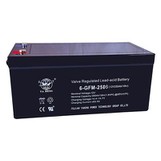
As an e-bike battery supplier, I often encounter customers with various questions about e-bike battery charging. One question that comes up quite frequently is, "Can I charge my e-bike battery with a homemade charger?" This is a topic that requires careful consideration, as it involves not only the functionality of your e-bike but also safety concerns.
Understanding E-bike Batteries
Before we delve into the possibility of using a homemade charger, it's essential to understand the basics of e-bike batteries. Most e-bikes today use lithium-ion batteries due to their high energy density, long lifespan, and relatively low self-discharge rate. These batteries come in different voltages and capacities, typically ranging from 24V to 48V and 10Ah to 20Ah or more.
The charging process of a lithium-ion battery is highly regulated. It involves multiple stages, including constant current (CC) charging and constant voltage (CV) charging. During the CC stage, the charger supplies a fixed current to the battery until it reaches a certain voltage level. Then, the charger switches to the CV stage, where it maintains a constant voltage while the current gradually decreases as the battery approaches full charge.
The Risks of Using a Homemade Charger
While the idea of creating a homemade charger might seem appealing, especially for those who are technically inclined, it comes with significant risks.
1. Incompatible Charging Parameters
A homemade charger may not be able to provide the correct charging parameters for your e-bike battery. If the charger supplies too high a current or voltage, it can cause overcharging, which can lead to overheating, swelling, and even explosion of the battery. On the other hand, if the current or voltage is too low, the battery may not charge properly, resulting in reduced battery life and performance.
2. Lack of Safety Features
Commercial chargers are designed with various safety features, such as overcharge protection, over-discharge protection, short-circuit protection, and temperature protection. These features help prevent potential hazards and ensure the safe and efficient charging of the battery. A homemade charger, however, may lack these essential safety features, putting you and your e-bike at risk.
3. Voiding the Warranty
Using a homemade charger can void the warranty of your e-bike battery. Most battery manufacturers specify that only their approved chargers should be used to charge the battery. If you use a homemade charger and the battery malfunctions or fails, the manufacturer may refuse to provide warranty service.
Alternatives to Homemade Chargers
If you're looking for a cost-effective way to charge your e-bike battery, there are several alternatives to homemade chargers.
1. Third-Party Chargers
There are many third-party chargers available on the market that are compatible with a wide range of e-bike batteries. These chargers are designed to provide the correct charging parameters and often come with safety features similar to those of commercial chargers. When choosing a third-party charger, make sure to select one that is compatible with your e-bike battery's voltage and capacity.
2. Solar Chargers
Solar chargers are an environmentally friendly option for charging your e-bike battery. They use solar panels to convert sunlight into electricity, which can then be used to charge the battery. While solar chargers may take longer to charge the battery compared to traditional chargers, they are a great option for those who are on the go or who want to reduce their carbon footprint.
The Importance of Using the Right Charger
Using the right charger for your e-bike battery is crucial for ensuring its safety, performance, and longevity. A proper charger will provide the correct charging parameters and protect the battery from overcharging, over-discharging, and other potential hazards.
As an e-bike battery supplier, I recommend using the charger that comes with your e-bike or a charger that is approved by the battery manufacturer. This will not only ensure the safe and efficient charging of your battery but also help maintain the warranty of your battery.
Other Related Battery Products
In addition to e-bike batteries, we also supply a variety of other battery products, including Electric Wheel Chair Battery, Motivation Battery, and Wheel Chair Battery. These batteries are designed to meet the specific needs of different applications and are built with high-quality materials and advanced technology to ensure reliable performance and long service life.
Conclusion
In conclusion, while it may be tempting to use a homemade charger to charge your e-bike battery, the risks far outweigh the potential benefits. Using a homemade charger can lead to incompatible charging parameters, lack of safety features, and voiding of the battery warranty. Instead, I recommend using the charger that comes with your e-bike or a charger that is approved by the battery manufacturer.
If you have any questions about e-bike batteries or need help choosing the right charger for your battery, please feel free to contact us. We are a professional e-bike battery supplier and are committed to providing our customers with high-quality products and excellent service. We look forward to the opportunity to discuss your battery needs and assist you in making the best purchasing decision.


References
- Battery University. "Lithium-ion Charging." Accessed [Date].
- International Electrotechnical Commission. "Safety Requirements for Secondary Batteries and Battery Packs for Use in Portable Applications." IEC 62133-2:2017.