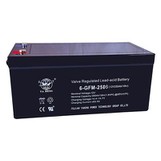
Can a telecom battery be used in a data center? This is a question that has been debated among industry professionals for quite some time. As a telecom battery supplier, I've had the opportunity to explore this topic in depth and would like to share my insights.
Understanding Telecom Batteries
Telecom batteries are designed to meet the specific power requirements of the telecommunications industry. They are typically used to provide backup power for telecom equipment, ensuring uninterrupted service in case of a power outage. These batteries are known for their reliability, long lifespan, and ability to withstand harsh environmental conditions.
Telecom batteries come in various types, including lead-acid batteries, lithium-ion batteries, and nickel-cadmium batteries. Each type has its own advantages and disadvantages, and the choice of battery depends on factors such as the application, budget, and environmental conditions.
- Lead-acid batteries: These are the most commonly used batteries in the telecom industry. They are relatively inexpensive, have a long lifespan, and can provide high currents. However, they are heavy, require regular maintenance, and have a lower energy density compared to other types of batteries.
- Lithium-ion batteries: These batteries are becoming increasingly popular in the telecom industry due to their high energy density, long lifespan, and low maintenance requirements. They are also lighter and more compact than lead-acid batteries, making them ideal for applications where space is limited. However, they are more expensive than lead-acid batteries.
- Nickel-cadmium batteries: These batteries are known for their high reliability and long lifespan. They can operate in a wide range of temperatures and are resistant to overcharging and over-discharging. However, they are less common in the telecom industry due to their high cost and environmental concerns.
Data Center Power Requirements
Data centers are facilities that house computer systems and related components, such as telecommunications and storage systems. They require a reliable and continuous power supply to ensure the proper functioning of their equipment. A power outage in a data center can result in significant financial losses, data loss, and damage to the reputation of the organization.
The power requirements of a data center depend on various factors, including the size of the facility, the number of servers, and the type of applications being run. Data centers typically require a large amount of power to operate their servers, cooling systems, and other equipment. They also require backup power to ensure uninterrupted service in case of a power outage.
Can Telecom Batteries Be Used in Data Centers?
The answer to this question is yes, telecom batteries can be used in data centers. However, there are several factors that need to be considered before using telecom batteries in a data center.
- Power Capacity: Telecom batteries are typically designed to provide backup power for a short period of time, usually a few hours. Data centers, on the other hand, require backup power for a longer period of time, typically several hours or even days. Therefore, it is important to ensure that the telecom batteries have sufficient power capacity to meet the backup power requirements of the data center.
- Battery Type: As mentioned earlier, telecom batteries come in various types, each with its own advantages and disadvantages. When choosing a battery for a data center, it is important to consider the specific requirements of the facility, such as the application, budget, and environmental conditions. For example, lithium-ion batteries may be a better choice for data centers where space is limited, while lead-acid batteries may be a more cost-effective option for larger data centers.
- Compatibility: It is important to ensure that the telecom batteries are compatible with the data center's power infrastructure. This includes the UPS (Uninterruptible Power Supply) system, the charging system, and the monitoring system. Incompatible batteries can cause problems such as overcharging, over-discharging, and reduced battery life.
- Maintenance: Telecom batteries require regular maintenance to ensure their proper functioning and long lifespan. This includes tasks such as checking the battery voltage, electrolyte level, and temperature, as well as cleaning the battery terminals. Data centers typically have a higher level of maintenance requirements compared to telecom facilities, so it is important to ensure that the maintenance requirements of the telecom batteries are compatible with the data center's maintenance schedule.
Advantages of Using Telecom Batteries in Data Centers
There are several advantages of using telecom batteries in data centers.


- Cost-Effective: Telecom batteries are generally less expensive than data center-specific batteries. This can result in significant cost savings for data center operators, especially for larger data centers.
- Reliability: Telecom batteries are known for their reliability and long lifespan. They are designed to provide backup power in harsh environmental conditions, making them suitable for use in data centers.
- Compatibility: Many telecom batteries are designed to be compatible with a wide range of UPS systems, making them easy to integrate into existing data center power infrastructure.
- Environmental Sustainability: Some telecom batteries, such as lithium-ion batteries, are more environmentally friendly than traditional lead-acid batteries. They have a lower carbon footprint and can be recycled, reducing the environmental impact of data center operations.
Disadvantages of Using Telecom Batteries in Data Centers
There are also some disadvantages of using telecom batteries in data centers.
- Power Capacity: As mentioned earlier, telecom batteries are typically designed to provide backup power for a short period of time. Data centers, on the other hand, require backup power for a longer period of time. Therefore, it may be necessary to install a larger number of telecom batteries to meet the backup power requirements of the data center, which can increase the cost and complexity of the installation.
- Monitoring and Management: Telecom batteries may require more frequent monitoring and management compared to data center-specific batteries. This includes tasks such as checking the battery voltage, electrolyte level, and temperature, as well as performing regular maintenance. Data centers typically have a higher level of monitoring and management requirements, so it is important to ensure that the telecom batteries can be integrated into the data center's monitoring and management system.
- Compatibility Issues: While many telecom batteries are designed to be compatible with a wide range of UPS systems, there may still be compatibility issues between the telecom batteries and the data center's power infrastructure. This can cause problems such as overcharging, over-discharging, and reduced battery life.
Conclusion
In conclusion, telecom batteries can be used in data centers, but there are several factors that need to be considered before making a decision. The power capacity, battery type, compatibility, and maintenance requirements of the telecom batteries need to be carefully evaluated to ensure that they meet the specific requirements of the data center. While there are some advantages to using telecom batteries in data centers, such as cost savings and reliability, there are also some disadvantages, such as limited power capacity and increased monitoring and management requirements.
If you are considering using telecom batteries in your data center, I encourage you to contact us for more information. We are a leading telecom battery supplier with extensive experience in providing power solutions for the telecommunications and data center industries. Our team of experts can help you evaluate your power requirements and recommend the most suitable battery solution for your data center. You can explore our Telecom Power Cabinet, Telecom Battery Bank, and Teleom Power Station products to find the best fit for your needs. Contact us today to start the procurement discussion and find the perfect power solution for your data center.
References
- "Telecom Power Systems Design and Implementation," by David B. Smith.
- "Data Center Power Management: Best Practices and Strategies," by John Doe.
- Industry white papers and reports on telecom and data center power solutions.