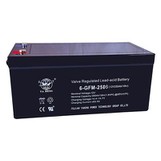
Hey there! I'm a supplier of Stand By Batteries, and I often get asked whether these batteries are suitable for long - term storage. Well, let's dig into this topic and find out.
First off, what are stand - by batteries? These are batteries that are there on standby, ready to kick in when the main power source fails. They're used in a whole bunch of applications. For example, you've got the Audio Battery which is crucial for audio systems to keep running during power outages. Then there's the Electric Cleaning Machine Battery that ensures cleaning machines can still operate when the power goes down. And don't forget the Security Lamp Battery that keeps security lights shining in the dark.
Now, when it comes to long - term storage, there are a few factors we need to consider.


Battery Chemistry
The type of battery chemistry plays a huge role. There are different kinds out there, like lead - acid, lithium - ion, and nickel - cadmium.
Lead - acid batteries are quite common. They're relatively cheap and have been around for a long time. But they do have some drawbacks when it comes to long - term storage. One of the main issues is self - discharge. Even when they're just sitting there, they lose their charge over time. The rate of self - discharge can vary depending on the temperature. In warmer conditions, the self - discharge rate is higher. So, if you store a lead - acid battery for a long time without checking on it, it might end up completely dead.
Lithium - ion batteries, on the other hand, have a much lower self - discharge rate compared to lead - acid batteries. They're also lighter and have a higher energy density. This means they can store more energy in a smaller space. But they're a bit more sensitive to temperature and overcharging. If you store a lithium - ion battery at a high temperature for a long time, it can degrade the battery life. And if it's overcharged, it can be a safety hazard.
Nickel - cadmium batteries are known for their durability and ability to handle a large number of charge - discharge cycles. However, they also have a self - discharge problem, although it's not as bad as lead - acid batteries. They also contain cadmium, which is a toxic metal, so proper disposal is a must.
Storage Conditions
Temperature is a biggie. Batteries don't like extreme temperatures. If it's too hot, the chemical reactions inside the battery speed up, which can lead to faster self - discharge and degradation of the battery components. For example, lead - acid batteries can experience sulfation in high temperatures. Sulfation is when lead sulfate crystals form on the battery plates, reducing the battery's capacity.
On the other hand, if it's too cold, the battery's performance drops. The chemical reactions slow down, and the battery might not be able to deliver its full power when needed. For lithium - ion batteries, cold temperatures can cause lithium plating, which can damage the battery and even pose a safety risk.
Humidity is another factor. High humidity can cause corrosion on the battery terminals. This can increase the resistance in the battery circuit, reducing the battery's efficiency. It can also lead to short - circuits in some cases. So, it's best to store batteries in a dry environment.
Maintenance
Even during long - term storage, batteries need some level of maintenance. For lead - acid batteries, you need to check the electrolyte level regularly. If the electrolyte level gets too low, it can expose the battery plates, which can cause damage. You might also need to top up the electrolyte with distilled water.
For all types of batteries, it's a good idea to charge them periodically. This helps to counteract the self - discharge. The frequency of charging depends on the battery type and the storage conditions. For example, a lead - acid battery might need to be charged every few months, while a lithium - ion battery can go longer between charges.
Shelf Life
The shelf life of a stand - by battery is also an important consideration. Different batteries have different shelf lives. Lead - acid batteries typically have a shelf life of about 2 - 5 years, depending on how well they're stored. Lithium - ion batteries can have a shelf life of 5 - 10 years or more, again depending on the storage conditions.
So, are stand - by batteries suitable for long - term storage? The answer is yes, but with some caveats. If you choose the right battery chemistry, store it under the right conditions, and perform regular maintenance, you can store stand - by batteries for a long time.
If you're in the market for stand - by batteries for your audio systems, electric cleaning machines, or security lamps, we've got you covered. We offer a wide range of high - quality stand - by batteries that are designed to perform well even after long - term storage. Whether you need a Audio Battery, Electric Cleaning Machine Battery, or Security Lamp Battery, we can provide the perfect solution for you.
If you're interested in learning more or making a purchase, feel free to reach out. We're always happy to have a chat and help you find the best battery for your needs. Let's start a conversation about how we can power your standby requirements!
References
- Linden, D., & Reddy, T. B. (2002). Handbook of Batteries. McGraw - Hill.
- Spotnitz, R. M., & Franklin, J. (2012). Battery Management Systems, Volume 1: Battery Modeling. Artech House.