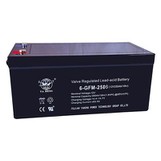
GEL batteries, also known as Gel Cell batteries, are a type of valve-regulated lead-acid (VRLA) battery. They are widely used in various applications, such as RV Power Bank Battery, Jump Starter Power Battery, and Camper Power Battery due to their maintenance - free nature, deep - discharge capabilities, and relatively long service life. However, like all batteries, GEL batteries have a limited lifespan, and proper disposal is crucial for environmental protection and human health. In this blog, as a GEL battery supplier, I will discuss the proper way to dispose of a GEL battery.
Understanding the Composition of GEL Batteries
Before delving into the disposal methods, it is essential to understand what GEL batteries are made of. A GEL battery consists of lead plates, a sulfuric acid electrolyte that is immobilized in a silica gel matrix, and a plastic casing. The lead in the battery is a heavy metal, and sulfuric acid is a corrosive substance. Both lead and sulfuric acid can cause significant environmental pollution and health problems if not disposed of correctly. Lead can contaminate soil, water, and air, and exposure to lead can lead to neurological damage, especially in children. Sulfuric acid can cause burns and damage to the skin, eyes, and respiratory system.
Pre - disposal Steps
Safety Precautions
When handling a GEL battery for disposal, safety should be the top priority. Wear appropriate personal protective equipment (PPE), including gloves, safety glasses, and a lab coat or protective apron. This will protect you from contact with the sulfuric acid and lead in the battery.
Discharging the Battery
It is recommended to fully discharge the GEL battery before disposal. This can reduce the risk of short - circuits and potential chemical reactions during the disposal process. You can use a battery discharger or connect the battery to a load, such as a light bulb, until the battery is completely discharged. However, make sure to follow the manufacturer's instructions when discharging the battery to avoid over - discharging, which can damage the battery and cause safety hazards.


Inspecting the Battery
Check the battery for any signs of damage, such as cracks, leaks, or bulges. If the battery is damaged, it should be handled with extra care. A damaged battery may have exposed lead or sulfuric acid, which increases the risk of contamination. In some cases, damaged batteries may need to be treated as hazardous waste and disposed of through specialized channels.
Disposal Methods
Recycling
Recycling is the most environmentally friendly way to dispose of a GEL battery. Recycling not only helps to reduce environmental pollution but also conserves natural resources. In a battery recycling facility, the different components of the GEL battery are separated and processed. The lead plates are melted down and refined to produce new lead products, while the plastic casing can be recycled into new plastic materials. The sulfuric acid can be neutralized and treated to remove impurities.
Many countries and regions have established battery recycling programs. You can contact your local waste management authority or recycling center to find out where you can recycle your GEL battery. Some retailers that sell batteries also offer battery recycling services. When recycling the battery, make sure to follow the recycling center's instructions, which may include proper packaging and labeling of the battery.
Hazardous Waste Disposal
If recycling is not an option, the GEL battery should be disposed of as hazardous waste. Hazardous waste disposal facilities are equipped to handle the toxic and corrosive substances in the battery safely. However, hazardous waste disposal is usually more expensive than recycling, and there may be strict regulations regarding the disposal process.
Before disposing of the battery as hazardous waste, you need to contact your local hazardous waste disposal facility to obtain the necessary permits and follow their procedures. They may require you to fill out forms providing information about the battery, such as its size, type, and condition.
Do Not Dispose of in Regular Trash
Under no circumstances should you dispose of a GEL battery in regular household trash. When a GEL battery is thrown into the trash, it may end up in a landfill. In a landfill, the battery can break open, releasing lead and sulfuric acid into the soil and groundwater. This can contaminate the environment and pose a threat to human health. Additionally, some landfills may have restrictions on accepting batteries due to the potential for fires and explosions caused by short - circuits in the batteries.
The Role of GEL Battery Suppliers
As a GEL battery supplier, we play an important role in promoting proper battery disposal. We can provide customers with information about the proper disposal methods of GEL batteries when they purchase the batteries. This can include brochures, online resources, or in - person consultations.
We can also encourage customers to recycle their used batteries by offering incentives, such as discounts on new battery purchases when they return their old batteries for recycling. Additionally, we can work with recycling facilities and waste management authorities to establish more convenient battery recycling channels for our customers.
Conclusion
Proper disposal of GEL batteries is essential for environmental protection and human health. By understanding the composition of GEL batteries, taking pre - disposal steps, and choosing the right disposal method, we can minimize the environmental impact of these batteries. Recycling is the preferred method of disposal, but if recycling is not available, hazardous waste disposal should be used.
As a GEL battery supplier, we are committed to promoting sustainable battery use and disposal. If you are interested in purchasing high - quality GEL batteries for your RV Power Bank Battery, Jump Starter Power Battery, or Camper Power Battery needs, please feel free to contact us for more information and to discuss your specific requirements. We look forward to working with you to meet your power needs in an environmentally friendly way.
References
- Batteries Council International. "Battery Recycling Basics."
- Environmental Protection Agency. "Battery Management."
- Lead - Acid Battery Association. "Safe Handling and Disposal of Lead - Acid Batteries."