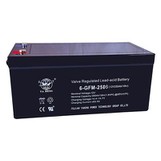
As a supplier of Power Cabinets, I understand the critical role that environmental conditions play in the optimal performance and longevity of these essential components. Power cabinets, which often house sensitive electrical equipment and battery for solar power system, are designed to operate within specific environmental parameters. In this blog post, I will delve into the key environmental requirements for a power cabinet, offering insights that can help users and operators ensure the reliability and efficiency of their power systems.


Temperature Control
One of the most significant environmental factors affecting power cabinets is temperature. Electrical components, especially those found in On-line Power System and power cabinets, generate heat during operation. If the temperature inside the cabinet rises too high, it can lead to reduced component lifespan, increased energy consumption, and even system failures.
Most power cabinets are designed to operate within a temperature range of 0°C to 40°C (32°F to 104°F). However, this range can vary depending on the specific components and the manufacturer's specifications. To maintain a stable temperature, power cabinets often incorporate cooling systems such as fans or air conditioners. These cooling systems help to dissipate heat and prevent overheating.
In addition to active cooling, proper ventilation is also crucial. Power cabinets should be installed in well-ventilated areas to allow for the free flow of air. Adequate clearance around the cabinet is necessary to ensure that hot air can escape and cool air can enter. Blocking the ventilation openings or installing the cabinet in a confined space can lead to a buildup of heat and compromise the performance of the equipment.
Humidity Management
Humidity is another environmental factor that can impact the performance of power cabinets. High humidity levels can cause condensation to form inside the cabinet, which can lead to corrosion, short circuits, and other electrical problems. On the other hand, extremely low humidity can cause static electricity to build up, which can damage sensitive electronic components.
The ideal relative humidity range for power cabinets is typically between 20% and 80%. To maintain this range, power cabinets may be equipped with humidity sensors and dehumidifiers. These devices can monitor the humidity levels inside the cabinet and take appropriate action to prevent moisture-related issues.
In areas with high humidity, it is also important to protect the power cabinet from water ingress. This can be achieved by installing the cabinet in a waterproof enclosure or by using waterproof seals around the cabinet doors and openings. Additionally, regular inspections should be conducted to check for signs of water damage or condensation.
Dust and Contaminant Prevention
Dust and other contaminants can accumulate inside power cabinets over time, which can cause a variety of problems. Dust can clog ventilation openings, reduce the efficiency of cooling systems, and damage electronic components. Contaminants such as dirt, oil, and chemicals can also corrode the cabinet and its contents.
To prevent dust and contaminants from entering the power cabinet, it should be installed in a clean environment. If possible, the cabinet should be located away from sources of dust and pollution, such as construction sites or industrial areas. Additionally, the cabinet should be equipped with filters to trap dust and other particles before they can enter the cabinet.
Regular cleaning and maintenance of the power cabinet are also essential. The cabinet should be wiped down regularly to remove any dust or debris that has accumulated on the surface. The filters should be replaced or cleaned according to the manufacturer's recommendations to ensure optimal performance.
Electrical and Magnetic Interference
Power cabinets are often located in environments where there is a high level of electrical and magnetic interference (EMI). EMI can be caused by a variety of sources, including power lines, motors, and other electrical equipment. This interference can disrupt the normal operation of the power cabinet and its contents, leading to errors, malfunctions, and even system failures.
To protect against EMI, power cabinets are typically designed with shielding materials. These materials can block or reduce the effects of electromagnetic radiation and prevent it from interfering with the electrical components inside the cabinet. Additionally, the cabinet should be grounded properly to provide a path for any stray electrical currents to flow safely to the ground.
In areas with high levels of EMI, it may also be necessary to use additional shielding or filtering devices. These devices can further reduce the effects of interference and ensure the reliable operation of the power cabinet.
Altitude and Atmospheric Pressure
The altitude and atmospheric pressure at the installation site can also affect the performance of power cabinets. At higher altitudes, the air is thinner, which can reduce the efficiency of cooling systems. Additionally, the lower atmospheric pressure can cause some components to operate differently than they would at sea level.
Most power cabinets are designed to operate at altitudes up to 2000 meters (6562 feet). If the cabinet is to be installed at a higher altitude, it may be necessary to consult with the manufacturer to ensure that the cabinet is suitable for the specific conditions. In some cases, the cabinet may need to be modified or equipped with additional cooling or ventilation systems to compensate for the reduced air density.
Conclusion
As a Power Cabinet supplier, I am committed to providing high-quality products that are designed to meet the most demanding environmental requirements. By understanding the key environmental factors that can affect the performance of power cabinets, users and operators can take the necessary steps to ensure the reliability and efficiency of their power systems.
If you are in the market for a power cabinet or have any questions about the environmental requirements for your specific application, I encourage you to contact me. I would be happy to discuss your needs and provide you with the information and support you need to make an informed decision.
References
- "Electrical Equipment Installation and Maintenance Handbook"
- Manufacturer's specifications for power cabinets and related components
- Industry standards and guidelines for environmental conditions in electrical installations