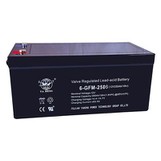
As a seasoned supplier in the e-bike battery industry, I often get asked about the maximum charge cycle of an e-bike battery. This is a crucial question for both e-bike manufacturers and end-users, as it directly impacts the battery's lifespan and the overall cost of ownership. In this blog post, I'll delve into the factors that affect the charge cycle of e-bike batteries, provide some general guidelines, and share insights on how to maximize the lifespan of these essential power sources.
Understanding Charge Cycles
Before we discuss the maximum charge cycle of an e-bike battery, it's important to understand what a charge cycle is. A charge cycle refers to the process of charging a battery from 0% to 100% and then discharging it back to 0%. However, in real-world usage, we rarely fully charge or discharge a battery. Instead, a charge cycle can be a combination of partial charges and discharges that add up to a full cycle. For example, if you charge your battery from 20% to 80% five times, that would count as one charge cycle.
Factors Affecting the Charge Cycle
Several factors can influence the maximum charge cycle of an e-bike battery. Here are some of the most significant ones:
Battery Chemistry
The type of battery chemistry used in an e-bike battery plays a crucial role in determining its charge cycle. The most common types of e-bike batteries are lithium-ion (Li-ion) and lead-acid batteries.
- Lithium-ion Batteries: Li-ion batteries are the preferred choice for e-bikes due to their high energy density, lightweight, and long lifespan. They typically have a charge cycle of 500 to 1000 cycles or more, depending on the specific chemistry and quality of the battery. For example, lithium iron phosphate (LiFePO4) batteries, a type of Li-ion battery, are known for their excellent cycle life and can last up to 2000 cycles.
- Lead-acid Batteries: Lead-acid batteries are older technology and are less commonly used in modern e-bikes. They are heavier, have a lower energy density, and a shorter charge cycle compared to Li-ion batteries. Lead-acid batteries typically have a charge cycle of 300 to 500 cycles.
Charging and Discharging Patterns
How you charge and discharge your e-bike battery can significantly impact its charge cycle. Here are some best practices to follow:
- Avoid Overcharging and Overdischarging: Overcharging a battery can cause it to overheat and degrade the battery cells, while overdischarging can lead to irreversible damage. Most modern e-bike batteries are equipped with a battery management system (BMS) that helps prevent overcharging and overdischarging. However, it's still important to follow the manufacturer's charging instructions.
- Charge at the Right Temperature: Charging a battery at extreme temperatures can also reduce its lifespan. It's best to charge your e-bike battery at room temperature (around 20°C to 25°C). Avoid charging the battery in direct sunlight or in very cold conditions.
- Use the Right Charger: Using the wrong charger can damage your e-bike battery. Always use the charger that came with your e-bike or a charger that is specifically designed for your battery type.
Battery Quality and Manufacturing
The quality of the battery and the manufacturing process can also affect its charge cycle. High-quality batteries are typically made with better materials and more advanced manufacturing techniques, which can result in a longer lifespan. When choosing an e-bike battery, it's important to buy from a reputable supplier like us. We offer a wide range of E-bike Battery that are designed and manufactured to the highest standards.


General Guidelines for E-bike Battery Charge Cycles
While the maximum charge cycle of an e-bike battery can vary depending on the factors mentioned above, here are some general guidelines to give you an idea:
- Li-ion Batteries: As mentioned earlier, Li-ion batteries typically have a charge cycle of 500 to 1000 cycles or more. If you use your e-bike regularly and charge it once a day, a Li-ion battery could last you 1.5 to 3 years or more.
- Lead-acid Batteries: Lead-acid batteries have a shorter charge cycle of 300 to 500 cycles. If you charge your e-bike once a day, a lead-acid battery could last you about 1 to 1.5 years.
Maximizing the Lifespan of Your E-bike Battery
To get the most out of your e-bike battery and extend its lifespan, here are some additional tips:
- Store the Battery Properly: If you're not going to use your e-bike for an extended period, it's important to store the battery properly. Store the battery in a cool, dry place and charge it to about 50% before storing. Avoid storing the battery at full charge or completely discharged.
- Regular Maintenance: Regularly inspect your e-bike battery for any signs of damage or wear. If you notice any issues, such as a swollen battery or a loose connection, have it checked by a professional.
- Upgrade Your Battery: If your e-bike battery is nearing the end of its lifespan, consider upgrading to a new battery. A new battery will not only provide better performance but also extend the lifespan of your e-bike.
Other Battery Options
In addition to e-bike batteries, we also offer Electric Trolley Battery and Wheel Chair Battery. These batteries are designed to meet the specific power requirements of electric trolleys and wheelchairs. They offer the same high-quality and long lifespan as our e-bike batteries.
Contact Us for Your Battery Needs
If you're in the market for an e-bike battery or other types of electric vehicle batteries, we'd love to hear from you. As a leading supplier in the industry, we offer a wide range of high-quality batteries at competitive prices. Our team of experts can help you choose the right battery for your specific needs and provide you with all the information you need to ensure proper installation and maintenance.
Whether you're an e-bike manufacturer looking to source batteries for your products or an end-user in need of a replacement battery, we're here to assist you. Contact us today to start a conversation about your battery requirements and let us help you find the perfect solution for your electric vehicle.
References
- Battery University. "How to Prolong Lithium-based Batteries."
- Electric Bike Report. "E-bike Battery Lifespan: How Long Do They Last?"