

Hey there! As a supplier of UPS Power Stations, I've been getting a bunch of questions lately about the environmental requirements for using these bad boys. So, I thought I'd put together this blog post to share some insights.
First off, let's talk about temperature. UPS Power Stations are pretty sensitive to temperature changes. Most of them are designed to work best within a specific temperature range. Generally, the ideal operating temperature for a UPS Power Station is between 20°C and 25°C (68°F - 77°F). When the temperature gets too high, like above 30°C (86°F), the internal components of the UPS can start to overheat. This can lead to a decrease in performance and even shorten the lifespan of the battery. On the flip side, if it's too cold, below 0°C (32°F), the battery's chemical reactions slow down, which means it might not be able to deliver as much power as it should.
Humidity is another important factor. You want to keep the humidity level around 30% - 70%. High humidity can cause condensation inside the UPS Power Station. This moisture can damage the electrical components and lead to short - circuits. And trust me, you don't want that. On the other hand, extremely low humidity can create static electricity, which can also harm the sensitive electronics in the UPS.
Now, let's consider the air quality. The environment where you use your UPS Power Station should be clean and free from dust, dirt, and corrosive gases. Dust can accumulate on the internal components, which can block the ventilation and cause overheating. Corrosive gases, like those found in industrial areas or near chemical plants, can eat away at the metal parts of the UPS, leading to premature failure. If you're using the UPS in a dusty environment, you might want to install air filters or use a dust - proof enclosure.
Ventilation is crucial. UPS Power Stations generate heat during operation, and proper ventilation is needed to dissipate this heat. You should place the UPS in a well - ventilated area, with at least a few inches of clearance around all sides. Don't stack other equipment on top of it or block the ventilation openings. Good ventilation helps maintain a stable internal temperature and keeps the UPS running smoothly.
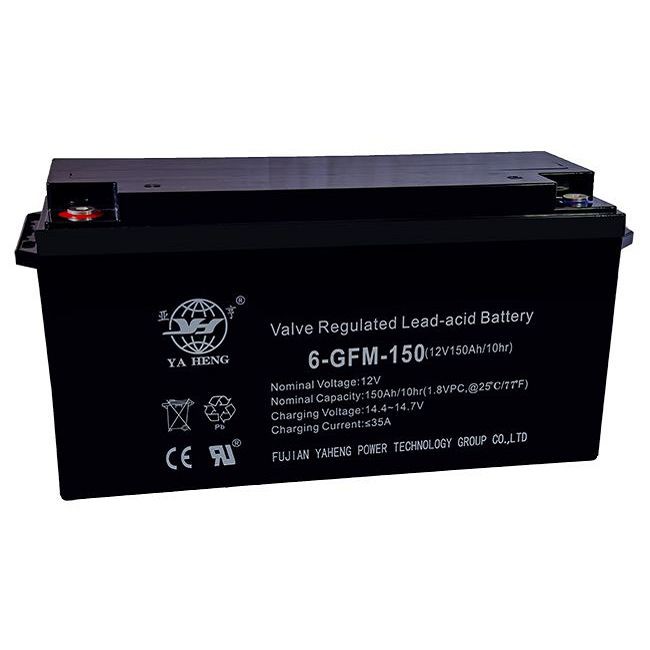

When it comes to different usage scenarios, the environmental requirements can vary a bit. For example, if you're using an RV Power [/storage - battery/rv - power.html], it has to deal with more challenging conditions. RVs are often exposed to different temperatures, humidity levels, and road vibrations. The UPS in an RV needs to be more rugged and able to withstand these variations.
A Camper Power Station [/storage - battery/camper - power - station.html] also has its own set of requirements. Campers are usually in outdoor settings, where the temperature can change drastically from day to night. The UPS for a camper should be able to adapt to these temperature swings and also be protected from moisture and dust.
For a UPS Power Bank [/storage - battery/ups - power - bank.html], which is more portable, it's important to keep it in a relatively stable environment when not in use. Even though it's small and convenient, it still needs proper temperature and humidity conditions to maintain its performance and battery life.
If you're thinking about purchasing a UPS Power Station, make sure to assess the environment where you'll be using it. Consider the temperature, humidity, air quality, and ventilation. And if you have any special requirements, like using it in an RV or a camper, we can help you find the right model that can handle those conditions.
As a UPS Power Station supplier, we're always here to assist you. Whether you have questions about the environmental requirements, need help choosing the right product, or want to talk about a bulk purchase, don't hesitate to reach out. We've got a wide range of UPS Power Stations that can meet different needs and environmental conditions. So, if you're in the market for a reliable UPS, get in touch with us and let's start the conversation!
References:
- General knowledge of UPS Power Station operation and environmental impact studies.
- Industry standards for UPS equipment usage and maintenance.


