Energy density is a crucial metric when evaluating storage batteries, as it directly impacts the performance, efficiency, and practicality of these energy storage solutions. As a leading supplier of storage batteries, I understand the significance of energy density and its implications for various applications. In this blog post, I will delve into the concept of energy density, its importance in storage batteries, and how it relates to our product offerings, including Camper Power Bank, RV Power, and Camper Power Station.
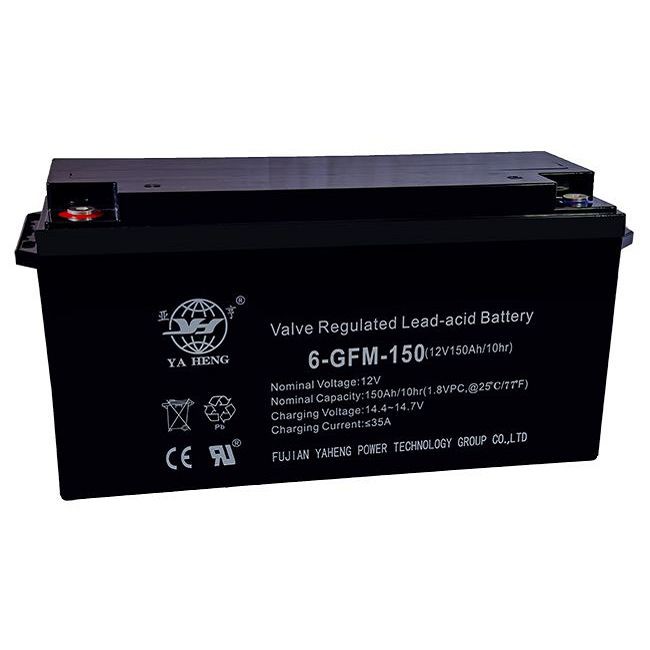
Understanding Energy Density
Energy density refers to the amount of energy stored in a given system or substance per unit volume or mass. In the context of storage batteries, it is typically expressed in watt-hours per kilogram (Wh/kg) for specific energy (energy per unit mass) or watt-hours per liter (Wh/L) for energy density by volume. A higher energy density means that a battery can store more energy in a smaller and lighter package, which is highly desirable for many applications.
To put it simply, energy density determines how much "juice" a battery can hold relative to its size and weight. For example, a battery with a high energy density can power a device for a longer time without adding excessive bulk or weight. This is particularly important for portable applications such as Camper Power Bank, where users need a compact and lightweight power source that can provide sufficient energy on the go.
Importance of Energy Density in Storage Batteries
The energy density of a storage battery has several important implications for its performance and usability:
- Portability: As mentioned earlier, a higher energy density allows for more compact and lightweight batteries. This is essential for portable devices and applications where space and weight are limited, such as camping, RVing, and mobile electronics. With a high-energy-density battery, users can carry more power without sacrificing convenience.
- Range and Runtime: In applications such as electric vehicles (EVs) and RV Power, energy density directly affects the range and runtime of the vehicle or equipment. A battery with a higher energy density can store more energy, enabling longer trips and extended operation without the need for frequent recharging.
- Efficiency: Higher energy density often translates to better overall efficiency. When a battery can store more energy in a smaller package, there is less wasted space and weight, which can result in improved energy utilization and reduced energy losses during charging and discharging.
- Cost-effectiveness: Although high-energy-density batteries may have a higher upfront cost, they can offer long-term cost savings. By providing more energy in a smaller and lighter package, these batteries can reduce the need for additional batteries or larger storage systems, resulting in lower installation and maintenance costs.
Factors Affecting Energy Density
Several factors can influence the energy density of a storage battery, including the battery chemistry, electrode materials, and design. Here are some of the key factors to consider:
- Battery Chemistry: Different battery chemistries have varying energy densities. For example, lithium-ion batteries are known for their high energy density compared to traditional lead-acid batteries. This is one of the reasons why lithium-ion batteries are widely used in portable electronics, EVs, and renewable energy storage systems.
- Electrode Materials: The choice of electrode materials can also have a significant impact on energy density. Advanced electrode materials, such as lithium cobalt oxide (LiCoO2) and lithium iron phosphate (LiFePO4), can offer higher energy densities and better performance compared to conventional materials.
- Battery Design: The design of the battery, including the electrode configuration, electrolyte composition, and packaging, can affect its energy density. Optimized battery designs can minimize internal resistance, improve charge transfer efficiency, and maximize the utilization of active materials, resulting in higher energy densities.
Our Product Offerings and Energy Density
As a storage battery supplier, we offer a wide range of products with different energy densities to meet the diverse needs of our customers. Our Camper Power Bank, RV Power, and Camper Power Station are designed to provide reliable and efficient power solutions for camping, RVing, and other outdoor activities.
Our Camper Power Bank is a compact and lightweight power source that offers high energy density and long-lasting performance. With its advanced lithium-ion battery technology, it can store a large amount of energy in a small package, making it ideal for charging mobile devices, powering small appliances, and providing emergency backup power.

Our RV Power systems are specifically designed to meet the power requirements of recreational vehicles. These systems feature high-energy-density batteries that can provide sufficient power for lighting, appliances, and other electrical devices on board. With their long cycle life and deep discharge capabilities, our RV power systems offer reliable and durable performance for extended periods of use.
Our Camper Power Station is a comprehensive power solution that combines a high-capacity battery, inverter, and charger in a single unit. With its high energy density and multiple output ports, it can power a wide range of devices and appliances, making it a versatile and convenient power source for camping, tailgating, and other outdoor activities.
Conclusion
Energy density is a critical factor to consider when choosing a storage battery. A higher energy density means more power in a smaller and lighter package, which can improve portability, range, runtime, efficiency, and cost-effectiveness. As a storage battery supplier, we are committed to providing our customers with high-quality products that offer excellent energy density and performance.
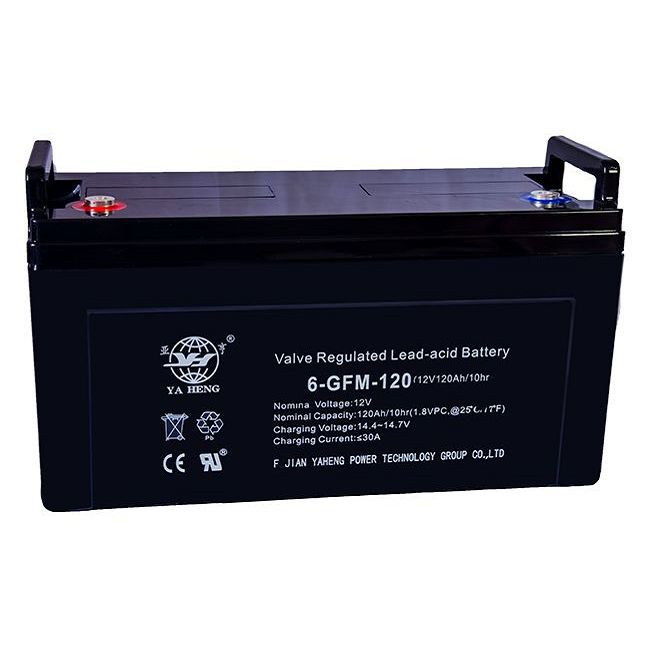
If you are interested in learning more about our Camper Power Bank, RV Power, or Camper Power Station, or if you have any questions about energy density or storage batteries in general, please do not hesitate to contact us. We would be happy to discuss your specific needs and help you find the right power solution for your application.
References
- Linden, D., & Reddy, T. B. (2002). Handbook of Batteries (3rd ed.). McGraw-Hill.
- Goodenough, J. B., & Kim, Y. (2010). Challenges for rechargeable Li batteries. Chemistry of Materials, 22(3), 587-603.
- Arora, P., & Zhang, J.-G. (2004). Battery separators. Chemical Reviews, 104(10), 4419-4462.