

Choosing the right RV power source is a critical decision for any RV enthusiast. As an RV power supplier, I've seen firsthand the impact that a well - chosen power source can have on the overall camping experience. In this blog, I'll guide you through the key factors to consider when selecting the ideal RV power source for your needs.
Understanding Your Power Needs
The first step in choosing the right RV power source is to understand your power requirements. Different RVers have different power needs based on the appliances and devices they use while on the road. For instance, if you're a minimalist camper who only uses a few basic lights and a small fridge, your power needs will be significantly lower compared to someone who likes to use a microwave, air conditioner, and multiple electronic devices simultaneously.
To calculate your power needs, make a list of all the appliances and devices you plan to use in your RV. Note down their power consumption in watts. You can usually find this information on the device's label or in the user manual. Then, estimate how long you'll use each device per day. Multiply the power consumption (in watts) by the usage time (in hours) for each device to get the daily energy consumption in watt - hours. Sum up these values to get your total daily power requirement.
Types of RV Power Sources
There are several types of RV power sources available in the market, each with its own advantages and disadvantages.
1. Generator
Generators are a popular choice for RVers as they can provide a large amount of power. They work by burning fuel, such as gasoline, diesel, or propane, to generate electricity. Gasoline generators are generally more affordable and widely available, but they can be noisy and have a relatively short run - time. Diesel generators, on the other hand, are more fuel - efficient and durable, but they are also more expensive. Propane generators are clean - burning and quieter than gasoline generators, and propane is often easier to store.
However, generators have some drawbacks. They require regular maintenance, such as oil changes and filter replacements. They also produce noise and exhaust fumes, which can be a nuisance, especially in quiet camping areas.
2. Solar Panels
Solar panels are an eco - friendly and cost - effective option for RV power. They convert sunlight into electricity, which can be stored in batteries for later use. Solar panels require little maintenance and have no moving parts, making them a reliable long - term power solution.
The amount of power you can generate from solar panels depends on several factors, including the size and efficiency of the panels, the amount of sunlight available, and the angle at which the panels are installed. While solar panels can provide enough power for basic appliances and devices, they may not be sufficient for high - power appliances like air conditioners, especially on cloudy days.
3. Batteries
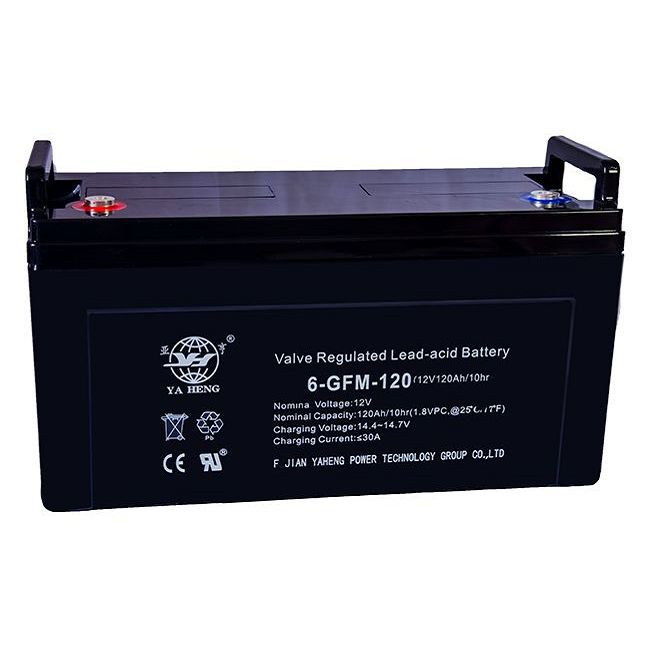
Batteries are an essential part of any RV power system. They store the electricity generated by solar panels or generators and provide power when the main power source is not available. There are different types of batteries available for RVs, including lead - acid batteries, lithium - ion batteries, and AGM (Absorbent Glass Mat) batteries.
Lead - acid batteries are the most common and affordable type of RV battery. They are reliable but have a relatively short lifespan and require regular maintenance, such as checking the water levels. Lithium - ion batteries, on the other hand, are more expensive but offer several advantages, including a longer lifespan, higher energy density, and faster charging times. AGM batteries are a middle - ground option that combines the best of both worlds, offering good performance and relatively low maintenance.
4. Camper Power Bank
Camper power banks are portable and convenient power sources. They are essentially large rechargeable batteries that can be used to charge small electronic devices, such as smartphones, tablets, and laptops. They are easy to carry and can be recharged using a solar panel, a generator, or a standard electrical outlet.
5. UPS Power Station
UPS (Uninterruptible Power Supply) power stations are designed to provide backup power in case of a power outage. They can be used to power essential appliances and devices in your RV, such as lights, a fridge, and a CPAP machine. UPS power stations are usually connected to your RV's electrical system and can automatically switch to battery power when the main power source fails.
6. Camping Power Battery
Camping power batteries are specifically designed for use in camping and RVing. They are available in different sizes and capacities to meet different power needs. These batteries can be charged using solar panels, generators, or a standard electrical outlet.
Factors to Consider When Choosing an RV Power Source
1. Power Capacity
As mentioned earlier, you need to choose a power source that can meet your power requirements. Consider the total power consumption of all your appliances and devices and choose a power source with a sufficient capacity. If you plan to use high - power appliances, such as an air conditioner or a microwave, you may need a generator or a large - capacity battery system.
2. Portability
If you're a frequent traveler, portability may be an important factor. Solar panels can be folded and carried easily, and camper power banks are also highly portable. On the other hand, generators can be heavy and bulky, making them less convenient to transport.
3. Cost
The cost of an RV power source includes the initial purchase price, as well as the cost of maintenance and fuel (if applicable). Solar panels have a relatively high upfront cost but can save you money in the long run as they don't require fuel. Generators, on the other hand, are more affordable upfront but can be expensive to operate and maintain over time.
4. Noise Level
If you prefer a quiet camping experience, noise level is an important consideration. Solar panels and batteries are completely silent, while generators can be quite noisy. Propane generators are generally quieter than gasoline generators, and some modern generators are designed to be as quiet as possible.
5. Environmental Impact
If you're environmentally conscious, you may want to choose a power source with a low environmental impact. Solar panels are the most eco - friendly option as they produce no emissions. Batteries also have a relatively low environmental impact, especially if they are recycled properly. Generators, on the other hand, produce exhaust fumes and contribute to air pollution.
Making the Right Choice
After considering all the factors above, you can make an informed decision about the right RV power source for your needs. You may also choose to combine different power sources to create a hybrid power system. For example, you can use solar panels to provide a base level of power and a generator as a backup for high - power appliances or on cloudy days.
As an RV power supplier, I'm here to help you make the best choice. We offer a wide range of RV power sources, including generators, solar panels, batteries, camper power banks, UPS power stations, and camping power batteries. Our team of experts can provide you with personalized advice based on your specific power needs and budget.
If you're interested in learning more about our products or would like to discuss your RV power requirements, we invite you to contact us for a procurement discussion. We're committed to providing you with high - quality products and excellent customer service.

References
- "RV Electrical Systems" by Mark Polk
- "Solar Power for RVs" by Michael Boxwell
- Various product manuals and specifications from leading RV power manufacturers


