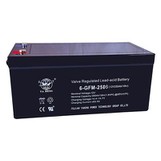
As a supplier of GEL batteries, I've had the privilege of delving deep into the intricate world of battery technology. One of the most frequently asked questions I encounter is about the differences in electrolytes between GEL batteries and other types of batteries. In this blog post, I'll explore this topic in detail, highlighting the unique characteristics of GEL battery electrolytes and how they set these batteries apart.
Understanding Battery Electrolytes
Before we dive into the specifics of GEL battery electrolytes, let's first understand what an electrolyte is and its role in a battery. An electrolyte is a substance that conducts electricity when dissolved in a solvent, typically water. In a battery, the electrolyte serves as a medium for the flow of ions between the anode and the cathode, enabling the chemical reactions that generate electrical energy.
The composition and properties of the electrolyte have a significant impact on the performance, lifespan, and safety of a battery. Different types of batteries use different electrolytes, each with its own advantages and disadvantages.
The Electrolyte in GEL Batteries
GEL batteries are a type of valve-regulated lead-acid (VRLA) battery. What sets GEL batteries apart is their electrolyte, which is a thick, gel-like substance rather than a liquid. This gel is created by adding a silica fume to the sulfuric acid electrolyte, which causes it to thicken and solidify.
The gel electrolyte in GEL batteries offers several key advantages:
1. Enhanced Safety
One of the primary benefits of the gel electrolyte is its improved safety. Unlike liquid electrolytes, which can spill or leak if the battery is damaged or tipped over, the gel electrolyte is contained within the battery. This reduces the risk of acid spills, which can be hazardous to both people and the environment.
2. Deep Discharge Resistance
GEL batteries are known for their excellent deep discharge resistance. The gel electrolyte helps to prevent the formation of lead sulfate crystals on the battery plates, which can occur during deep discharges and reduce the battery's capacity and lifespan. As a result, GEL batteries can be discharged to a lower state of charge without suffering significant damage, making them ideal for applications where deep cycling is required.
3. Vibration and Shock Resistance
The gel electrolyte also provides better vibration and shock resistance compared to liquid electrolytes. The gel helps to cushion the battery plates, reducing the risk of damage from vibrations and shocks. This makes GEL batteries well-suited for use in mobile applications, such as RV Power Bank Battery, Camper Power Battery, and Portable Power Bank Battery, where they may be subjected to rough handling and movement.
4. Low Self-Discharge Rate
GEL batteries have a relatively low self-discharge rate, which means they can hold their charge for longer periods of time when not in use. This is due in part to the gel electrolyte, which helps to slow down the chemical reactions that cause self-discharge. As a result, GEL batteries are a good choice for applications where the battery may be stored for extended periods, such as backup power systems.
Comparison with Other Battery Electrolytes
Now that we've explored the unique features of GEL battery electrolytes, let's compare them to the electrolytes used in other common types of batteries.
Flooded Lead-Acid Batteries
Flooded lead-acid batteries are the traditional type of lead-acid battery, and they use a liquid sulfuric acid electrolyte. While flooded batteries are relatively inexpensive and have a high energy density, they also have several drawbacks. They require regular maintenance, including adding water to the electrolyte to replace what is lost through evaporation and gassing. They are also more prone to acid spills and leaks, and they have a lower deep discharge resistance compared to GEL batteries.


AGM Batteries
Absorbent Glass Mat (AGM) batteries are another type of VRLA battery. They use a fiberglass mat to absorb and hold the electrolyte, which is also sulfuric acid. AGM batteries offer similar advantages to GEL batteries, such as enhanced safety and deep discharge resistance. However, they typically have a higher charge acceptance rate and can be recharged more quickly than GEL batteries. On the other hand, AGM batteries may be more sensitive to overcharging and high temperatures compared to GEL batteries.
Lithium-Ion Batteries
Lithium-ion batteries are becoming increasingly popular due to their high energy density, long lifespan, and low self-discharge rate. They use a lithium salt electrolyte dissolved in an organic solvent. While lithium-ion batteries offer many advantages, they also have some limitations. They are more expensive than lead-acid batteries, and they require a sophisticated battery management system to ensure safe operation. They are also more sensitive to high temperatures and overcharging, which can cause them to overheat and potentially catch fire.
Applications of GEL Batteries
The unique properties of GEL battery electrolytes make them suitable for a wide range of applications, including:
Renewable Energy Systems
GEL batteries are commonly used in renewable energy systems, such as solar and wind power systems. These systems often require batteries that can store energy for long periods of time and withstand deep discharges. The deep discharge resistance and low self-discharge rate of GEL batteries make them an ideal choice for these applications.
Marine and RV Applications
In the marine and RV industries, GEL batteries are popular due to their vibration and shock resistance, as well as their ability to withstand harsh environmental conditions. They are used to power various electrical systems on boats and RVs, including lights, appliances, and navigation equipment.
Uninterruptible Power Supplies (UPS)
GEL batteries are also commonly used in UPS systems to provide backup power in the event of a power outage. The enhanced safety and deep discharge resistance of GEL batteries make them a reliable choice for these critical applications.
Conclusion
In conclusion, the electrolyte in GEL batteries differs significantly from other types of batteries, offering several unique advantages. The gel-like electrolyte provides enhanced safety, deep discharge resistance, vibration and shock resistance, and a low self-discharge rate. These properties make GEL batteries well-suited for a wide range of applications, from renewable energy systems to marine and RV applications.
If you're in the market for a high-quality battery that offers these benefits, I invite you to consider our GEL batteries. Whether you need a RV Power Bank Battery, Camper Power Battery, or Portable Power Bank Battery, we have the right solution for your needs. Contact us today to learn more about our products and to discuss your specific requirements. We look forward to working with you to find the perfect battery for your application.
References
- Linden, D., & Reddy, T. B. (2002). Handbook of Batteries. McGraw-Hill.
- Berndt, D. (2000). Lead-Acid Batteries: Science and Technology. Elsevier.