

As an RV power supplier, I've witnessed firsthand the importance of power isolators in ensuring a reliable and efficient power supply for recreational vehicles (RVs). In this blog post, I'll delve into the inner workings of power isolators, explaining how they function and why they're crucial for RV owners.
What is a Power Isolator?
A power isolator is a device that separates the electrical systems of an RV into distinct circuits, preventing power from flowing between them under normal conditions. In an RV, this typically involves isolating the starting battery (used to start the vehicle's engine) from the house battery (used to power the RV's appliances and accessories). By doing so, the power isolator ensures that the starting battery remains charged and ready to start the engine, even if the house battery is discharged.
How Does a Power Isolator Work?
There are several types of power isolators available, each with its own unique operating principle. The most common types include:
Diode-Based Power Isolators
Diode-based power isolators use diodes to allow current to flow in only one direction. When the vehicle's engine is running, the alternator charges both the starting battery and the house battery. The power isolator ensures that the charging current flows from the alternator to both batteries, but prevents the house battery from discharging into the starting battery when the engine is off.
Here's a simplified explanation of how a diode-based power isolator works:
- Charging Mode: When the engine is running, the alternator generates electricity and sends it to the power isolator. The power isolator uses diodes to direct the charging current to both the starting battery and the house battery. Since diodes only allow current to flow in one direction, the house battery cannot discharge into the starting battery.
- Isolation Mode: When the engine is off, the power isolator prevents the house battery from discharging into the starting battery. This is because the diodes block the flow of current in the reverse direction. As a result, the starting battery remains charged and ready to start the engine.
Solenoid-Based Power Isolators
Solenoid-based power isolators use a solenoid (an electromagnetic switch) to connect and disconnect the starting battery and the house battery. When the vehicle's engine is running, the solenoid is energized, allowing current to flow from the alternator to both batteries. When the engine is off, the solenoid is de-energized, disconnecting the two batteries and preventing the house battery from discharging into the starting battery.
Here's a simplified explanation of how a solenoid-based power isolator works:
- Charging Mode: When the engine is running, the alternator generates electricity and sends it to the power isolator. The power isolator energizes the solenoid, which closes the electrical connection between the starting battery and the house battery. This allows the charging current to flow from the alternator to both batteries.
- Isolation Mode: When the engine is off, the power isolator de-energizes the solenoid, which opens the electrical connection between the starting battery and the house battery. This prevents the house battery from discharging into the starting battery.
Electronic Power Isolators
Electronic power isolators use advanced electronics to monitor the voltage of the starting battery and the house battery and control the flow of current between them. These isolators are more sophisticated than diode-based and solenoid-based isolators and offer several advantages, including faster response times, lower power consumption, and the ability to handle higher currents.
Here's a simplified explanation of how an electronic power isolator works:
- Monitoring: The electronic power isolator continuously monitors the voltage of the starting battery and the house battery.
- Control: Based on the voltage readings, the power isolator controls the flow of current between the two batteries. If the starting battery voltage is low, the power isolator may allow the house battery to charge the starting battery. If the house battery voltage is low, the power isolator may allow the starting battery to charge the house battery.
- Isolation: When the engine is off, the power isolator isolates the two batteries to prevent the house battery from discharging into the starting battery.
Why are Power Isolators Important in RVs?
Power isolators play a crucial role in ensuring a reliable and efficient power supply for RVs. Here are some of the key reasons why power isolators are important:
Protects the Starting Battery
By isolating the starting battery from the house battery, the power isolator ensures that the starting battery remains charged and ready to start the engine. This is especially important in cold weather or when the RV has been sitting for an extended period of time.
Prevents Battery Drain
Power isolators prevent the house battery from discharging into the starting battery when the engine is off. This helps to extend the life of both batteries and reduces the risk of a dead battery.
Allows for Simultaneous Charging
Power isolators allow the alternator to charge both the starting battery and the house battery simultaneously when the engine is running. This ensures that both batteries are fully charged and ready to use.
Enhances Safety
By separating the electrical systems of the RV, power isolators reduce the risk of electrical shorts and other safety hazards. This helps to protect the RV and its occupants from electrical fires and other accidents.
Choosing the Right Power Isolator for Your RV
When choosing a power isolator for your RV, there are several factors to consider, including:
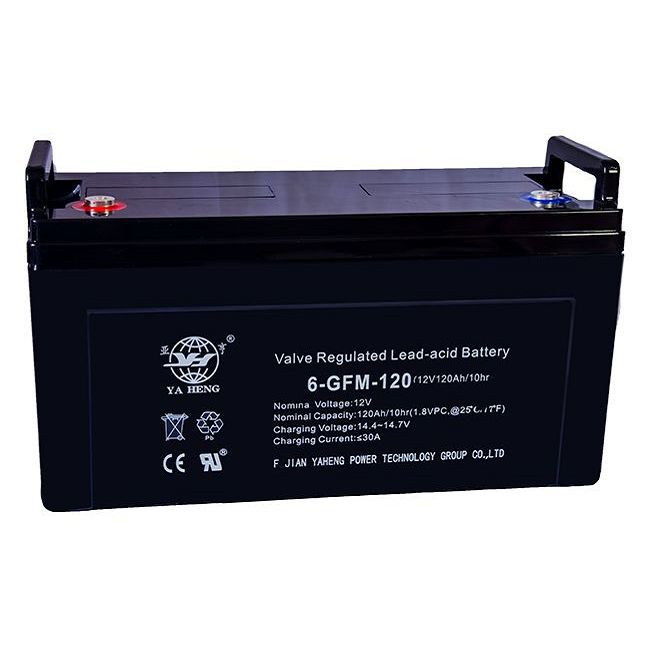

Battery Capacity
The power isolator you choose should be able to handle the capacity of your starting battery and house battery. Make sure to check the specifications of the power isolator to ensure that it is compatible with your batteries.
Charging Current
The power isolator should be able to handle the charging current of your alternator. Make sure to check the specifications of the power isolator to ensure that it can handle the maximum charging current of your alternator.
Type of Power Isolator
As mentioned earlier, there are several types of power isolators available, including diode-based, solenoid-based, and electronic power isolators. Each type has its own advantages and disadvantages, so choose the one that best suits your needs and budget.
Installation
Make sure to choose a power isolator that is easy to install and comes with clear instructions. If you're not comfortable installing the power isolator yourself, consider hiring a professional to do it for you.
Conclusion
In conclusion, power isolators are an essential component of any RV's electrical system. They help to ensure a reliable and efficient power supply, protect the starting battery, prevent battery drain, and enhance safety. By understanding how power isolators work and choosing the right one for your RV, you can enjoy a worry-free camping experience.
If you're in the market for a power isolator or other RV power products, Camper Power Bank, Camping Power Battery, or UPS Power Station, please don't hesitate to contact us for more information and to discuss your specific needs. We're here to help you find the best power solutions for your RV.
References
- "RV Electrical Systems: A Comprehensive Guide." RV Life, 2023.
- "How to Choose the Right Power Isolator for Your RV." Do It Yourself RV, 2023.
- "Power Isolators: What They Are and How They Work." The Spruce Crafts, 2023.


