

Hey there! As a power cabinet supplier, I've been getting a lot of questions lately about the temperature requirements for power cabinets. It's a crucial topic because the temperature can have a huge impact on the performance and lifespan of the equipment inside the cabinet. So, let's dive right in and explore what those temperature requirements are.
First off, why does temperature matter so much for power cabinets? Well, most of the components inside a power cabinet, like transformers, circuit breakers, and electronic control units, generate heat during operation. If the temperature inside the cabinet gets too high, it can cause these components to overheat. Overheating can lead to a whole bunch of problems, such as reduced efficiency, increased wear and tear, and even complete failure of the equipment. On the other hand, if the temperature is too low, it can also affect the performance of some components, like batteries, which may not function optimally in cold conditions.
So, what are the ideal temperature ranges? Generally speaking, the recommended operating temperature for a power cabinet is between 20°C and 30°C (68°F - 86°F). This range allows the components to operate at their best, with minimal stress and maximum efficiency. However, different components may have slightly different temperature requirements. For example, some sensitive electronic components might need to be kept at a more stable temperature, around 22°C - 25°C (71.6°F - 77°F), to ensure accurate operation.
When it comes to the maximum temperature, it's usually around 40°C - 50°C (104°F - 122°F). Once the temperature inside the cabinet exceeds this limit, the risk of component failure increases significantly. The heat can cause the insulation of wires to degrade, leading to short circuits, and it can also affect the chemical reactions inside batteries, reducing their capacity and lifespan.
On the other end of the spectrum, the minimum temperature should not go below 0°C (32°F) in most cases. Cold temperatures can make the lubricants in moving parts thicker, which can increase friction and wear. Batteries are also particularly sensitive to cold. A battery for solar power system may lose a significant amount of its capacity in cold weather, and in extreme cases, it may even freeze, causing permanent damage.
Now, how do we keep the temperature within the required range? There are several ways to control the temperature inside a power cabinet. One of the most common methods is using ventilation. Proper ventilation helps to remove the hot air generated by the components and bring in cooler air from the outside. This can be achieved through natural ventilation, such as vents on the cabinet, or forced ventilation, using fans. Fans can be installed inside the cabinet to circulate the air and ensure that the heat is evenly distributed and removed efficiently.
Another option is using air conditioning units. For power cabinets that house high - power components or are located in areas with extreme ambient temperatures, air conditioning can be a more reliable way to maintain a stable temperature. Air conditioners can cool the air inside the cabinet and keep it at the desired level, regardless of the outside temperature.
In addition to cooling, we also need to consider insulation. Good insulation can prevent the heat from the outside environment from entering the cabinet and help to maintain a more stable internal temperature. Insulating materials can be used on the walls of the cabinet to reduce heat transfer.
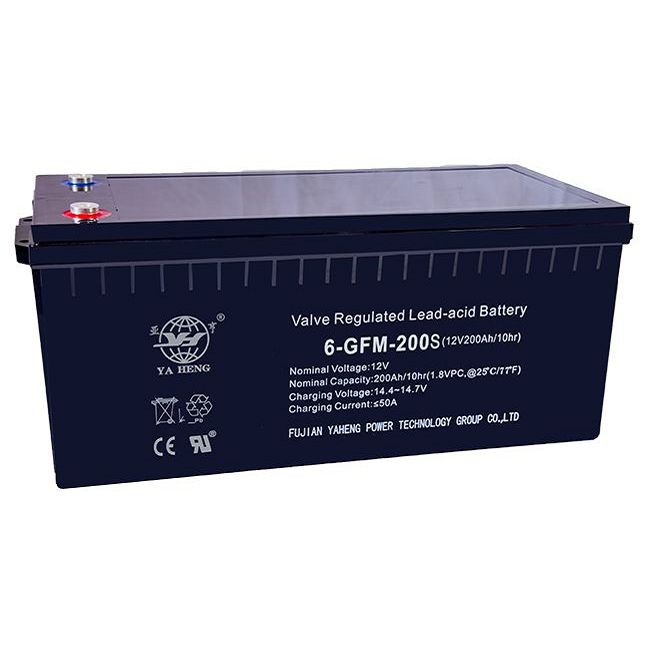

Let's talk about different applications and their specific temperature requirements. For example, in a House Power System, the power cabinet usually needs to be more energy - efficient and quiet. Since it's often located indoors, the ambient temperature is relatively stable. However, we still need to ensure that the temperature inside the cabinet doesn't get too high, especially if there are multiple high - power devices connected.
For a Wind Power System, the power cabinet is often exposed to the elements. It may face extreme temperature variations, from very cold nights to hot days. In this case, the cabinet needs to be more robust and have better temperature control mechanisms. The ventilation and insulation systems need to be designed to handle these large temperature swings and protect the components inside.
As a power cabinet supplier, I understand the importance of getting the temperature requirements right. That's why we offer power cabinets that are designed with advanced temperature control features. Our cabinets are equipped with high - quality ventilation systems and, if needed, air conditioning units to ensure that the components inside are always operating at the optimal temperature.
If you're in the market for a power cabinet, whether it's for a house power system, a solar power system, or a wind power system, it's crucial to consider the temperature requirements. Choosing the right power cabinet can save you a lot of headaches in the long run, as it can prevent costly component failures and ensure the reliable operation of your power system.
So, if you have any questions about power cabinets and their temperature requirements, or if you're interested in purchasing a power cabinet, don't hesitate to reach out. We're here to help you find the perfect solution for your needs.
References
- Electrical Equipment Handbook: A Guide for Design, Specification, and Installation
- Handbook of Power System Engineering


