

Can GEL batteries be used in electric vehicles?
In the rapidly evolving landscape of electric vehicles (EVs), the choice of battery technology plays a pivotal role in determining performance, range, and overall efficiency. As a reputable GEL battery supplier, I often encounter inquiries about the suitability of GEL batteries for electric vehicles. In this blog post, I will delve into the technical aspects, advantages, and limitations of using GEL batteries in EVs, providing you with a comprehensive understanding of this battery technology.
Understanding GEL Batteries
GEL batteries are a type of valve-regulated lead-acid (VRLA) battery that uses a gel electrolyte instead of a liquid electrolyte. The gel electrolyte is a thick, paste-like substance that immobilizes the electrolyte, preventing it from spilling or leaking. This design offers several advantages, including enhanced safety, reduced maintenance requirements, and the ability to be installed in various positions.
One of the key features of GEL batteries is their deep discharge capability. Unlike some other battery types, GEL batteries can withstand repeated deep discharges without significant loss of capacity or performance. This makes them suitable for applications where a high level of energy storage and discharge is required, such as electric vehicles.
Advantages of Using GEL Batteries in Electric Vehicles
- Safety: GEL batteries are inherently safer than traditional lead-acid batteries due to their sealed design and immobilized electrolyte. This reduces the risk of acid spills and leaks, which can be hazardous to both the environment and the user. Additionally, GEL batteries are less prone to thermal runaway, a condition that can occur in some battery types and lead to overheating and potential fire.
- Maintenance: GEL batteries require minimal maintenance compared to other battery types. Since the electrolyte is immobilized, there is no need to add water or perform regular electrolyte checks. This makes them a convenient choice for electric vehicle owners who want a hassle-free battery solution.
- Deep Discharge Capability: As mentioned earlier, GEL batteries have excellent deep discharge capabilities. This means that they can be discharged to a lower state of charge without causing damage to the battery. In an electric vehicle, this translates to a longer driving range and the ability to use more of the battery's stored energy.
- Long Cycle Life: GEL batteries typically have a longer cycle life compared to other lead-acid batteries. This means that they can withstand more charge and discharge cycles before their performance begins to degrade. A longer cycle life is especially important in electric vehicles, where the battery is subjected to frequent charging and discharging.
- Versatility: GEL batteries can be used in a variety of electric vehicle applications, including cars, trucks, buses, and even electric bicycles. Their ability to operate in different temperatures and environmental conditions makes them a versatile choice for EV manufacturers and users.
Limitations of Using GEL Batteries in Electric Vehicles
- Energy Density: One of the main limitations of GEL batteries is their relatively low energy density compared to other battery technologies, such as lithium-ion batteries. Energy density refers to the amount of energy that can be stored in a given volume or weight of the battery. A lower energy density means that GEL batteries may require more space and weight to store the same amount of energy as lithium-ion batteries, which can limit the range and performance of electric vehicles.
- Charging Time: GEL batteries typically have a slower charging time compared to lithium-ion batteries. This is because the gel electrolyte has a higher internal resistance, which limits the rate at which the battery can be charged. In an electric vehicle, a longer charging time can be inconvenient for users who need to quickly recharge their vehicle.
- Cost: GEL batteries are generally more expensive than traditional lead-acid batteries, although they are still less expensive than lithium-ion batteries. The higher cost of GEL batteries can be a deterrent for some electric vehicle manufacturers and users, especially in price-sensitive markets.
Applications of GEL Batteries in Electric Vehicles
Despite their limitations, GEL batteries still have several applications in electric vehicles. One of the most common applications is in electric golf carts and utility vehicles. These vehicles typically have a lower power requirement and a shorter driving range, making GEL batteries a suitable choice. GEL batteries are also used in some electric boats and RVs, where their safety and maintenance-free features are highly valued.
In addition to these applications, GEL batteries can also be used as auxiliary power sources in electric vehicles. For example, they can be used to power the vehicle's accessories, such as the lights, radio, and air conditioning, while the main lithium-ion battery is used to power the vehicle's propulsion system. This can help to extend the range of the electric vehicle and reduce the load on the main battery.
Our GEL Battery Products for Electric Vehicles
As a GEL battery supplier, we offer a range of high-quality GEL batteries that are suitable for electric vehicle applications. Our RV Power Bank Battery is designed to provide reliable power for RVs and other recreational vehicles. It has a high capacity and a long cycle life, making it ideal for extended trips. Our Portable Power Bank Battery is a compact and lightweight option that can be used to power small electric devices, such as smartphones, tablets, and laptops. And our RV Power Station Battery is a powerful and versatile battery that can be used to power larger electric appliances, such as refrigerators, microwaves, and air conditioners.
Conclusion
In conclusion, GEL batteries can be used in electric vehicles, but they have both advantages and limitations. Their safety, maintenance-free operation, deep discharge capability, and long cycle life make them a suitable choice for some electric vehicle applications. However, their lower energy density, slower charging time, and higher cost compared to lithium-ion batteries may limit their widespread use in mainstream electric vehicles.

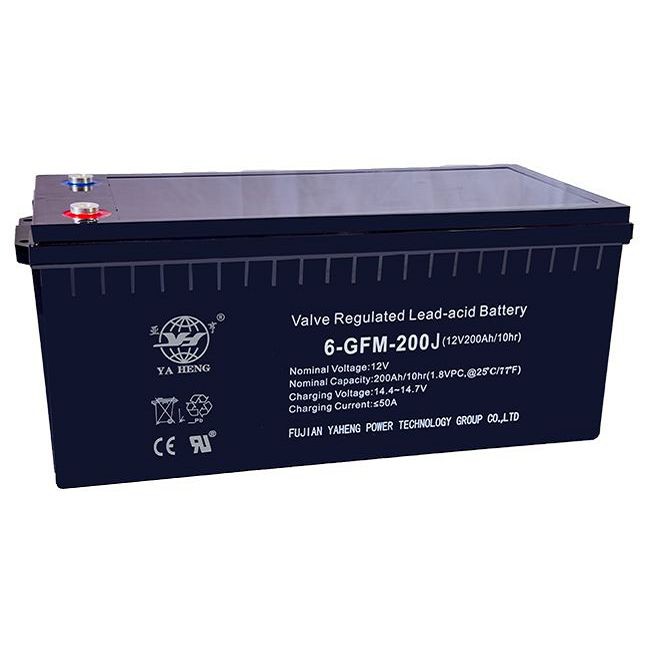
As a GEL battery supplier, we are committed to providing our customers with high-quality battery solutions that meet their specific needs. If you are interested in using GEL batteries in your electric vehicle or have any questions about our products, please feel free to contact us. We would be happy to discuss your requirements and provide you with a customized solution.
References
- "Battery Technology for Electric Vehicles" - International Energy Agency
- "Lead-Acid Batteries: Principles, Performance, and Applications" - David Linden and Thomas Reddy
- "GEL Battery Technology: A Comprehensive Guide" - Battery University


