

As an e-bike battery supplier, I often receive inquiries from customers about the charging voltage of e-bike batteries. Understanding the charging voltage is crucial for the proper use and maintenance of e-bike batteries, which can directly affect the battery's performance, lifespan, and safety. In this blog, I will delve into the details of e-bike battery charging voltage, including what it is, how it varies, and why it matters.
What is Charging Voltage?
Charging voltage refers to the electrical potential difference applied to a battery during the charging process. It is measured in volts (V). When an e-bike battery is being charged, an external power source, such as a charger, provides a specific voltage to push electric current into the battery. This current causes a chemical reaction within the battery cells, storing electrical energy for later use when the e-bike is in operation.
Common Charging Voltages for E-bike Batteries
E-bike batteries come in various types and configurations, and their charging voltages can vary accordingly. The most common types of e-bike batteries are lead - acid batteries and lithium - ion batteries, each with its own typical charging voltage range.
Lead - Acid Batteries
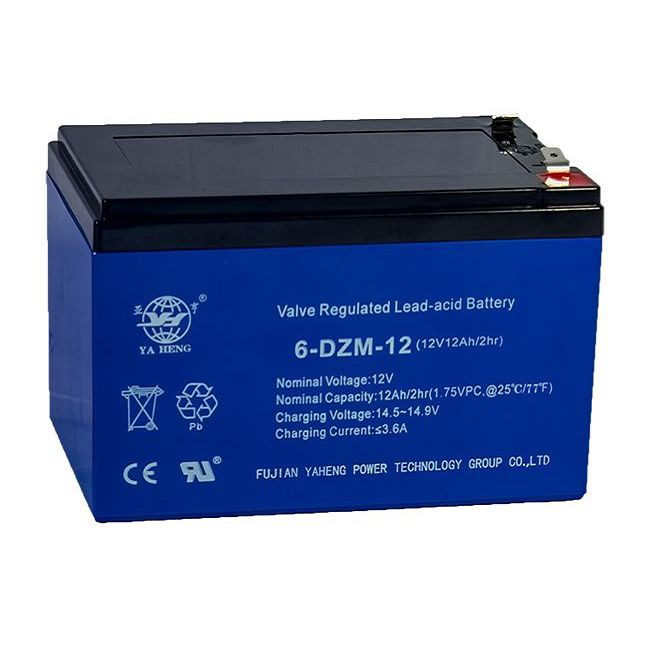
Lead - acid batteries have been used in e - bikes for a long time due to their relatively low cost. The standard nominal voltage of a single lead - acid cell is 2V. In e - bike applications, these cells are often connected in series to form a battery pack. Common lead - acid battery packs for e - bikes have nominal voltages of 12V, 24V, 36V, or 48V.
For a 12V lead - acid battery, the typical charging voltage is around 13.8 - 14.4V. A 24V lead - acid battery is usually charged at a voltage of about 27.6 - 28.8V, and a 36V battery at around 41.4 - 43.2V. A 48V lead - acid battery requires a charging voltage of approximately 55.2 - 57.6V. It's important to note that overcharging lead - acid batteries can cause the electrolyte to boil, leading to water loss and damage to the battery plates.

Lithium - Ion Batteries
Lithium - ion batteries are becoming increasingly popular in e - bikes because of their high energy density, long lifespan, and lightweight. The nominal voltage of a single lithium - ion cell is typically 3.6V or 3.7V. Similar to lead - acid batteries, multiple lithium - ion cells are connected in series to form a battery pack.
Common lithium - ion battery packs for e - bikes have nominal voltages of 36V (usually made up of 10 cells in series) and 48V (usually 13 cells in series). The charging voltage for a 36V lithium - ion battery pack is around 42V, and for a 48V lithium - ion battery pack, it is approximately 54.6V. Lithium - ion batteries are more sensitive to overcharging than lead - acid batteries. Overcharging can lead to overheating, thermal runaway, and even explosion in extreme cases.
Factors Affecting Charging Voltage
Several factors can influence the charging voltage of an e - bike battery:
Battery Chemistry
As mentioned above, different battery chemistries, such as lead - acid and lithium - ion, have different nominal voltages and charging voltage requirements. Other battery chemistries, like nickel - metal hydride (NiMH), also have their own unique charging characteristics. NiMH batteries have a nominal cell voltage of 1.2V, and their charging voltages are different from those of lead - acid and lithium - ion batteries.
Battery State of Charge
The state of charge (SOC) of a battery affects its charging voltage. When a battery is deeply discharged, the initial charging voltage may be lower. As the battery charges and its SOC increases, the charging voltage gradually rises. For example, in a lithium - ion battery, the voltage may start at around 3.0V per cell when fully discharged and increase to the maximum charging voltage as it reaches full charge.
Temperature
Temperature has a significant impact on battery charging. In general, charging at low temperatures can increase the internal resistance of the battery, which may require a higher charging voltage to achieve the same charging current. On the other hand, high temperatures can accelerate the chemical reactions in the battery, and overcharging at high temperatures can cause more damage. Therefore, it is recommended to charge e - bike batteries within a specific temperature range, usually between 0°C and 45°C.
Why Charging Voltage Matters
Battery Performance
Using the correct charging voltage is essential for maintaining the performance of an e - bike battery. If the charging voltage is too low, the battery may not be fully charged, resulting in reduced range and power output. Conversely, if the charging voltage is too high, it can cause overcharging, which can lead to a decrease in battery capacity over time and a shorter overall lifespan.
Battery Safety
Overcharging due to an incorrect charging voltage can pose serious safety risks. In lead - acid batteries, overcharging can cause the release of hydrogen and oxygen gases, which are flammable and explosive in certain concentrations. In lithium - ion batteries, overcharging can lead to thermal runaway, which may result in a fire or explosion. Therefore, it is crucial to use a charger that provides the correct charging voltage for the specific battery.
Our E - bike Battery Offerings
As an e - bike battery supplier, we offer a wide range of high - quality E-bike Battery products. Our batteries are carefully designed and manufactured to ensure optimal performance and safety. We also provide chargers that are specifically matched to our batteries, guaranteeing the correct charging voltage.
In addition to e - bike batteries, we also supply Electric Trolley Battery and Electric Wheel Chair Battery. These batteries are designed to meet the unique requirements of their respective applications, with the right charging voltages and performance characteristics.
Contact Us for Procurement
If you are interested in our e - bike batteries or other battery products, we encourage you to contact us for procurement discussions. We have a professional team that can provide you with detailed product information, technical support, and competitive pricing. Whether you are an e - bike manufacturer, a distributor, or an individual customer, we are committed to meeting your battery needs.
References
- Linden, D., & Reddy, T. B. (2002). Handbook of Batteries. McGraw - Hill.
- Tarascon, J. M., & Armand, M. (2001). Issues and challenges facing rechargeable lithium batteries. Nature, 414(6861), 359 - 367.


