

Hey there! I'm a supplier of UPS Power Stations, and today I'm gonna talk about which home appliances a UPS Power Station can support.
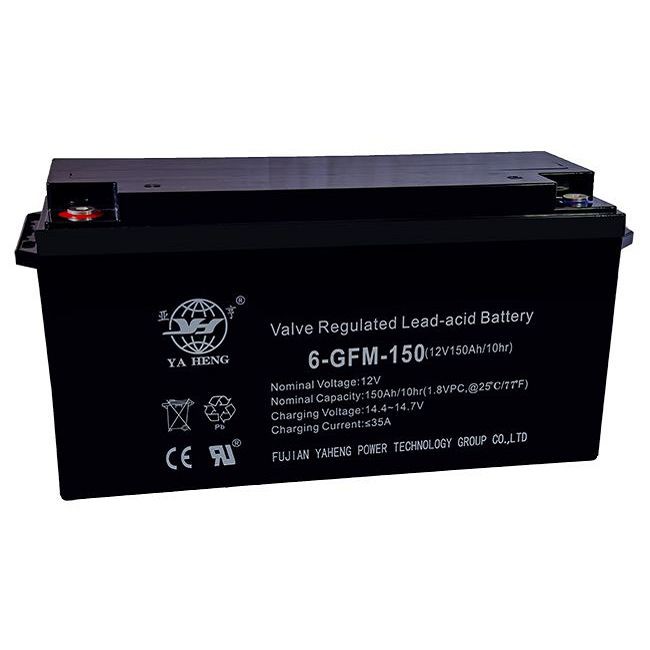
First off, let's get a basic understanding of what a UPS Power Station is. It's like a big battery on steroids that can keep your essential devices running when the power goes out. It stores electrical energy and then releases it when needed, acting as a backup power source.
Small Appliances
Let's start with the small stuff. Things like your phone charger, laptop, and TV are pretty easy for a UPS Power Station to handle. Phones don't draw a whole lot of power, so you can charge multiple phones for hours on end. Laptops are also relatively low - power devices. Most laptops use between 20 - 100 watts, depending on the model and what you're doing on it. A decent - sized UPS Power Station can keep your laptop up and running for a few hours, which is great if you're in the middle of an important project when the lights go out.
Your TV is another small appliance that can be supported. LED TVs are quite energy - efficient these days. A 32 - inch LED TV might use around 30 - 50 watts. So, a UPS Power Station can easily power your TV for a couple of hours, allowing you to catch up on your favorite shows even during a blackout.
You can also connect small kitchen appliances like a coffee maker. Some single - serve coffee makers use around 800 - 1200 watts when brewing. While this is a bit more power - hungry than a phone or laptop, a medium - to - large UPS Power Station can handle it for a short period. That means you can still get your morning caffeine fix when the grid goes down.
Medium - Sized Appliances
Moving on to medium - sized appliances, a desktop computer is a common one. A typical desktop computer, including the monitor, can use anywhere from 200 - 500 watts. If you have a high - end gaming PC with a powerful graphics card, it might use even more. But a good UPS Power Station can support a desktop for at least 30 minutes to an hour, giving you enough time to save your work and shut down properly.
A small air conditioner is another medium - sized appliance. Portable air conditioners for small rooms usually range from 500 - 1500 watts. A larger UPS Power Station can run a small air conditioner for a short while, which can be a lifesaver during a hot summer blackout. It won't cool the whole house, but it can keep a small area comfortable.
Large Appliances
Now, large appliances are a bit trickier. Things like refrigerators and freezers are essential for keeping your food fresh. A standard refrigerator might use around 100 - 200 watts when running, but it has a high starting wattage, sometimes up to 1000 watts or more. A very large and powerful UPS Power Station can support a refrigerator for a few hours. This can prevent your food from spoiling during a short - term power outage.
However, a full - sized electric stove or oven is usually out of the question for most UPS Power Stations. These appliances can use 3000 - 5000 watts or more. The power requirements are just too high for a typical UPS Power Station to handle.
Specialized Appliances
If you're into camping or RV living, there are some specialized appliances that a UPS Power Station can support. For example, a Camper Power Station can power things like a portable fan, a small LED lantern, or a rechargeable Camper Power Bank. These are low - power devices that are perfect for outdoor use.
If you have an RV, a RV Power system can be integrated with a UPS Power Station. It can support the RV's lighting system, a small TV, and even a water pump for a short period. This ensures that you have some basic amenities while on the road, even if there's a power issue.
Factors Affecting Support
There are a few factors that affect which appliances a UPS Power Station can support. One is the capacity of the UPS Power Station, usually measured in watt - hours (Wh) or amp - hours (Ah). A higher - capacity UPS can support more appliances or run them for a longer time.
The starting wattage of an appliance is also crucial. As I mentioned earlier, some appliances have a high starting wattage, even if their running wattage is relatively low. The UPS Power Station needs to be able to handle this initial surge of power.
The efficiency of the UPS Power Station matters too. Some UPS units are more efficient than others, meaning they waste less energy during the charging and discharging process. A more efficient UPS can make better use of its stored energy, allowing it to support appliances for longer.
Conclusion
So, in conclusion, a UPS Power Station can support a wide range of home appliances, from small devices like phones and laptops to medium - sized ones like desktop computers and small air conditioners. While it might not be able to handle large appliances like electric stoves for long, it can still provide backup power for essential functions during a power outage.
If you're interested in purchasing a UPS Power Station for your home or for your camping/RV needs, I'd love to talk to you. Whether you're looking to power a few small devices or need to keep a refrigerator running during a blackout, we have the right solution for you. Just reach out, and we can discuss your specific requirements and find the perfect UPS Power Station for you.

References
- "Understanding Power Requirements of Home Appliances", Home Energy Magazine
- "UPS Power Station Basics", Electronics Today Journal


