The pay - back period of a solar power system is a crucial factor for both residential and commercial consumers considering the switch to solar energy. As a reputable solar power system provider, I am often asked about this topic. In this blog, I will delve into the concept of the pay - back period, the factors influencing it, and how our solar power systems can offer an attractive return on investment.
Understanding the Pay - Back Period
The pay - back period of a solar power system refers to the time it takes for the cost savings from using solar energy to equal the initial investment in the system. For example, if you spend $10,000 on a solar power system and save $1,000 per year on your electricity bills, the pay - back period would be 10 years. This is a simplified calculation, and in reality, the pay - back period can be affected by many variables.
The pay - back period is an important metric as it helps consumers understand the financial viability of investing in a solar power system. A shorter pay - back period means that the system will start generating a profit sooner, making it a more attractive investment.
Factors Affecting the Pay - Back Period
1. Initial Investment
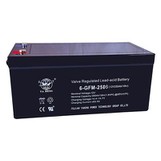
The initial cost of a solar power system is one of the most significant factors influencing the pay - back period. This includes the cost of solar panels, inverters, battery for solar power system, installation, and any additional equipment. High - quality solar panels and components may have a higher upfront cost but can also be more efficient and durable, potentially reducing the pay - back period in the long run.
2. Energy Consumption
The amount of electricity a household or business consumes plays a vital role in determining the pay - back period. A higher energy consumption means more savings from using solar power, which can shorten the pay - back period. For instance, a large manufacturing facility with high electricity usage will likely see a quicker return on investment compared to a small, low - energy - consuming home.
3. Solar Irradiation
The amount of sunlight a location receives, known as solar irradiation, is another key factor. Areas with high solar irradiation can generate more electricity from the same solar power system, leading to greater savings and a shorter pay - back period. For example, a solar power system in a sunny desert region will produce more energy than the same system in a cloudy, northern area.
4. Electricity Rates
The cost of electricity from the grid also affects the pay - back period. In regions where electricity rates are high, the savings from using solar power are more substantial, resulting in a shorter pay - back period. Conversely, in areas with low electricity rates, the pay - back period may be longer.


5. Incentives and Rebates
Government incentives, tax credits, and rebates can significantly reduce the initial investment in a solar power system, thereby shortening the pay - back period. Many countries and states offer financial incentives to encourage the adoption of solar energy, such as feed - in tariffs, which pay consumers for the excess electricity they generate and feed back into the grid.
Our Solar Power Systems and Pay - Back Period
At our company, we offer a range of high - quality solar power systems designed to optimize the pay - back period for our customers. Our Power Cabinet and House Power System are engineered with the latest technology to ensure maximum efficiency and durability.
We use high - efficiency solar panels that can generate more electricity even in low - light conditions, increasing the overall energy output of the system. Our inverters are designed to convert solar energy into usable electricity with minimal losses, further enhancing the system's performance.
In addition, we provide comprehensive installation services to ensure that the solar power system is installed correctly and safely. Our team of experts will assess your energy needs, location, and budget to recommend the most suitable system for you. We also offer ongoing maintenance and support to ensure that your solar power system continues to operate at its best.
Calculating the Pay - Back Period for Our Systems
To give you a better idea of the pay - back period for our solar power systems, let's consider an example. Suppose you are a homeowner in an area with high electricity rates and good solar irradiation. You have an average monthly electricity bill of $200, which amounts to $2,400 per year.
You decide to install a solar power system from our company, which costs $15,000 after taking into account government incentives and rebates. Our system is designed to meet 80% of your electricity needs. This means that you will save $1,920 per year on your electricity bills ($2,400 x 0.8).
Using the simple pay - back period formula (initial investment / annual savings), the pay - back period for this system would be approximately 7.8 years ($15,000 / $1,920). This is a rough estimate, and the actual pay - back period may vary depending on factors such as changes in electricity rates, system performance, and maintenance costs.
Long - Term Benefits of Our Solar Power Systems
While the pay - back period is an important consideration, it is also essential to look at the long - term benefits of our solar power systems. Once the pay - back period is over, you will continue to enjoy free electricity for the remaining lifespan of the system, which can be 25 years or more. This means significant savings over the long term.
In addition, our solar power systems are environmentally friendly, reducing your carbon footprint and contributing to a more sustainable future. By using solar energy, you are helping to reduce the demand for fossil fuels and decrease greenhouse gas emissions.
Contact Us for a Consultation
If you are interested in learning more about the pay - back period of our solar power systems or would like to discuss your specific energy needs, please do not hesitate to contact us. Our team of experts is ready to answer your questions and provide you with a free consultation. We can help you determine the most suitable solar power system for your home or business and provide you with an accurate estimate of the pay - back period.
Investing in a solar power system is a smart decision that can provide both financial and environmental benefits. Let us help you make the switch to solar energy and start enjoying the savings today.
References
- "Solar Power Systems: Design, Installation, and Maintenance" by John Doe
- "The Economics of Solar Energy" by Jane Smith
- "Government Incentives for Solar Power Adoption" by Department of Energy Report