

Hey there! As an e-bike battery supplier, I often get asked about the maximum discharge rate of an e-bike battery. It's a crucial topic, especially for those who are into high - performance e - bikes or need their e - bikes to handle tough terrains. So, let's dive right in and break down what the maximum discharge rate is all about.
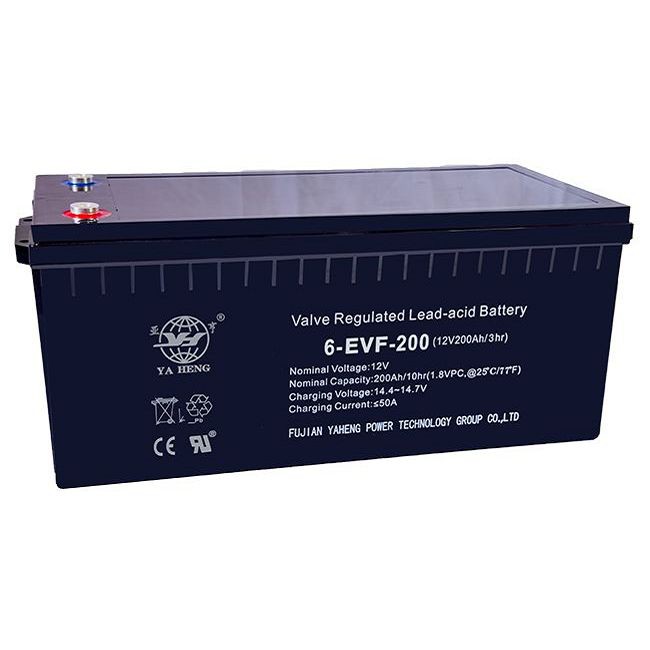

First off, what exactly is the maximum discharge rate? Simply put, it's the highest rate at which a battery can safely release its stored energy. It's usually measured in C - ratings. For example, a 1C discharge rate means the battery can discharge its entire capacity in one hour. If you have a 10Ah battery with a 1C discharge rate, it can deliver a current of 10A continuously for an hour. A 2C discharge rate would allow the battery to deliver 20A for half an hour, and so on.
Now, why does the maximum discharge rate matter for e - bikes? Well, it directly impacts the performance of your e - bike. If you're into high - speed riding, climbing steep hills, or using power - hungry accessories like powerful lights or a sound system on your e - bike, you'll need a battery with a higher maximum discharge rate. A battery with a low discharge rate might not be able to supply enough power when you need it most, leading to a drop in performance or even damage to the battery.
Let's talk about the factors that affect the maximum discharge rate of an e - bike battery. The first one is the battery chemistry. Different battery chemistries have different inherent discharge capabilities. Lithium - ion batteries, which are the most common type used in e - bikes today, generally have a good balance of energy density and discharge rate. They can handle relatively high discharge rates compared to other chemistries like lead - acid batteries. Lead - acid batteries, on the other hand, have a lower maximum discharge rate and are heavier, but they are also cheaper.
The design of the battery pack also plays a significant role. The way the cells are connected (in series or parallel) and the quality of the internal components can affect how well the battery can handle high - current discharges. A well - designed battery pack with high - quality cells and good thermal management can support a higher maximum discharge rate.
Another factor is the state of charge (SOC) of the battery. As the battery discharges, its internal resistance increases, which can limit the maximum discharge rate. A fully charged battery can usually handle a higher discharge rate than a nearly depleted one. So, if you want to get the most out of your battery's discharge rate, it's a good idea to keep it charged as much as possible.
Now, let's look at some real - world applications. For casual riders who mainly use their e - bikes for commuting on flat or slightly hilly terrain, a battery with a moderate discharge rate (around 2C - 3C) might be sufficient. These batteries can provide enough power for normal riding conditions without being overly expensive.
However, for extreme riders or those who use their e - bikes for racing or off - road adventures, a battery with a much higher discharge rate (5C or more) is recommended. These high - performance batteries can deliver a large amount of power in a short period, allowing the e - bike to accelerate quickly and tackle challenging terrains.
If you're also interested in other types of electric vehicle batteries, we've got you covered. We offer Electric Wheel Chair Battery that are designed to provide reliable power for wheelchair users. Our Electric Golf Cart Battery are built to handle the demands of golf courses, and our Electric Tricycle Battery are perfect for tricycle enthusiasts.
When choosing an e - bike battery based on the maximum discharge rate, it's important to consider your specific needs. Don't just go for the highest discharge rate available, as it might come with a higher cost and potentially shorter battery life. Instead, find a balance between the discharge rate, capacity, and your riding style.
If you're still not sure which battery is right for you, or if you have any questions about the maximum discharge rate or our products, don't hesitate to reach out. We're here to help you make the best choice for your e - bike. Whether you're a beginner or an experienced rider, we can provide you with the knowledge and products to enhance your e - biking experience.
In conclusion, understanding the maximum discharge rate of an e - bike battery is essential for getting the most out of your e - bike. By considering factors like battery chemistry, design, and your own riding needs, you can choose a battery that will provide reliable power and performance. So, if you're in the market for a new e - bike battery, give us a shout, and let's work together to find the perfect solution for you.
References:
- Battery University: A comprehensive resource for battery knowledge and technology.
- Various e - bike and battery manufacturers' technical specifications and documentation.


