

When it comes to the efficient operation of various electrical systems, power cabinets play a crucial role. As a leading power cabinet supplier, I often encounter inquiries about the power consumption of power cabinets. In this blog post, I will delve into the factors influencing power cabinet power consumption, how to calculate it, and its implications for different power systems.
Factors Affecting Power Cabinet Power Consumption
1. Components Inside the Power Cabinet
The power consumption of a power cabinet is significantly influenced by the components it houses. For instance, power supplies are one of the major power - consumers. High - efficiency power supplies convert a larger proportion of the input power into usable output power, resulting in less wasted energy. On the other hand, low - efficiency power supplies dissipate more energy as heat, increasing the overall power consumption of the cabinet.
Another key component is the cooling system. Power cabinets generate heat due to the operation of electrical components. To maintain a safe operating temperature, cooling fans or air - conditioning units are often installed. The power required to run these cooling systems can vary widely depending on the size of the cabinet, the heat dissipation rate, and the ambient temperature.
2. Load Capacity
The power consumption of a power cabinet is directly related to the load it supports. If a power cabinet is used to supply power to a high - power device or a large number of electrical appliances, its power consumption will be higher. For example, a power cabinet in a data center that supplies power to multiple servers will consume more power than a cabinet used for a small - scale office network.
3. Operating Environment
The ambient temperature and humidity can also affect the power consumption of a power cabinet. In a hot environment, the cooling system has to work harder to keep the internal temperature of the cabinet within a safe range, which increases power consumption. Similarly, high humidity can cause electrical components to malfunction or require additional power for dehumidification, if needed.
Calculating the Power Consumption of a Power Cabinet
To calculate the power consumption of a power cabinet, we need to consider the power ratings of all the components inside the cabinet. First, list all the electrical components, such as power supplies, fans, and any other devices. Then, check the power ratings (usually given in watts) of each component.
The total power consumption (P_total) of the power cabinet can be calculated using the following formula:
P_total = P_power_supplies + P_cooling_system + P_other_devices
For example, if a power cabinet has a power supply with a rated power of 500 watts, a cooling fan that consumes 50 watts, and other small devices with a combined power rating of 100 watts, then the total power consumption of the cabinet is:
P_total = 500 + 50+100 = 650 watts
It's important to note that the power ratings given are often the maximum values. In actual operation, the power consumption may be lower depending on the load and the efficiency of the components.
Power Consumption in Different Power Systems
1. Wind Power System
In a wind power system, power cabinets are used to regulate and distribute the electricity generated by wind turbines. The power consumption of these cabinets is an important factor in determining the overall efficiency of the wind power system. Since wind power generation is often located in remote areas where power supply is limited, minimizing the power consumption of power cabinets can help increase the net power output of the system.
2. House Power System
For a house power system, a power cabinet is used to manage the electrical supply to different circuits in the house. The power consumption of the cabinet in a house power system is relatively low compared to large - scale industrial or commercial systems. However, reducing the power consumption of the cabinet can still contribute to energy savings in the long run, especially when combined with other energy - efficient measures in the house.

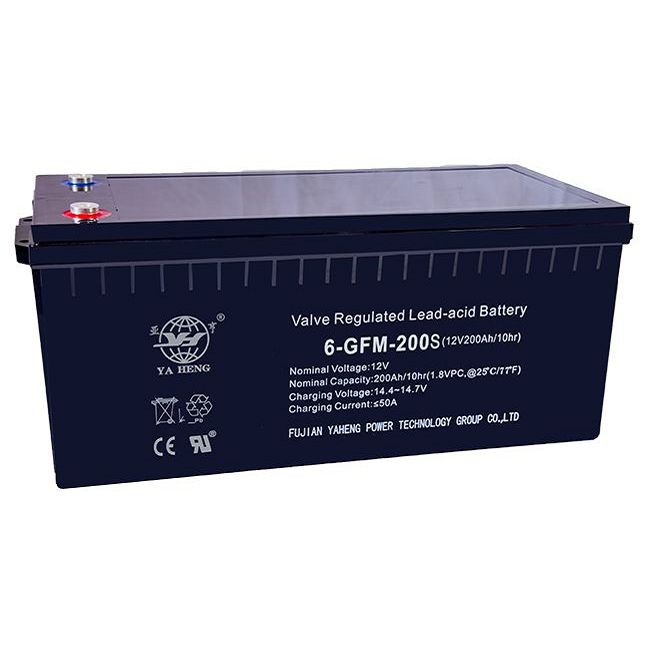
3. On - line Power System
On - line power systems, such as those used in data centers or critical infrastructure, require a continuous and reliable power supply. Power cabinets in these systems need to be highly efficient to ensure that the power consumption does not become a significant cost factor. In addition, the power consumption of the cabinet can also affect the reliability of the system, as excessive heat generated by high power consumption can lead to component failures.
Implications of Power Consumption
1. Cost
High power consumption of a power cabinet means higher electricity bills. For businesses and industries, this can be a significant operating cost. By choosing power - efficient components and optimizing the design of the power cabinet, the power consumption can be reduced, resulting in cost savings over time.
2. Environmental Impact
Power consumption is directly related to the environmental impact. Higher power consumption means more energy is drawn from the power grid, which may rely on non - renewable energy sources such as coal or natural gas. Reducing the power consumption of power cabinets can help lower greenhouse gas emissions and contribute to a more sustainable environment.
Reducing Power Cabinet Power Consumption
1. Select High - Efficiency Components
As mentioned earlier, choosing high - efficiency power supplies and cooling systems can significantly reduce the power consumption of a power cabinet. When selecting components, look for products with high energy - efficiency ratings.
2. Optimize Cooling
Proper cooling management is essential for reducing power consumption. This can include using more efficient cooling technologies, such as liquid cooling in some cases, and ensuring proper ventilation within the cabinet to reduce the load on the cooling system.
3. Load Management
By carefully managing the load on the power cabinet, we can avoid overloading and ensure that the cabinet operates at an optimal efficiency level. This may involve redistributing the load or upgrading the cabinet to handle higher loads more efficiently.
Contact for Purchase and Consultation
If you are in the market for a power cabinet or have any questions about power cabinet power consumption, our team of experts is here to assist you. We can provide you with detailed information about our products, their power consumption characteristics, and how they can be optimized for your specific needs. Whether you are looking for a power cabinet for a Wind Power System, House Power System, or On - line Power System, we have the solutions to meet your requirements. Reach out to us for a consultation on how to select the most suitable power cabinet and reduce your overall power consumption.
References
- Electrical Power Distribution Handbook by Dugan, McGranaghan, and Beaty
- Power Electronics: Converters, Applications, and Design by Mohan, Undeland, and Robbins
- Energy - Efficient Data Center Design and Operation by Lee, Kim, and Cho


