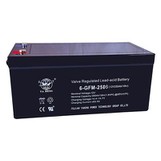
Hey there! As a supplier of power supply batteries, I often get asked about equalization charging. So, I thought I'd take a few minutes to explain what it is, why it's important, and how it can benefit your battery systems.


What is Equalization Charging?
Equalization charging is a process used to balance the state of charge (SOC) of individual cells within a battery pack. In a battery pack, each cell has its own unique characteristics, such as internal resistance, capacity, and self-discharge rate. Over time, these differences can cause some cells to become more charged or discharged than others, leading to an imbalance in the pack.
Equalization charging addresses this imbalance by applying a higher-than-normal charging voltage to the battery pack for a specific period. This higher voltage helps to charge the undercharged cells more fully, while also preventing overcharging of the fully charged cells. By doing so, equalization charging ensures that all cells in the pack are at the same state of charge, which helps to extend the overall lifespan of the battery pack.
Why is Equalization Charging Important?
There are several reasons why equalization charging is important for power supply batteries:
- Extends Battery Lifespan: As mentioned earlier, equalization charging helps to balance the state of charge of individual cells within a battery pack. This reduces the stress on the cells and helps to prevent premature aging and failure. By extending the lifespan of your batteries, you can save money on replacement costs in the long run.
- Improves Battery Performance: When all cells in a battery pack are at the same state of charge, the battery can deliver a more consistent and reliable performance. This is especially important for applications that require a high level of power, such as Jump Starter Battery and UPS Power Battery systems.
- Enhances Safety: An imbalanced battery pack can pose a safety risk, as it can lead to overheating, overcharging, and even explosion. Equalization charging helps to prevent these issues by ensuring that all cells in the pack are at a safe and stable state of charge.
How Does Equalization Charging Work?
The process of equalization charging typically involves the following steps:
- Monitoring the Battery: Before starting the equalization charging process, it's important to monitor the state of charge of the battery pack using a battery management system (BMS) or a multimeter. This will help you determine if equalization charging is necessary and if so, how long it should be performed.
- Applying the Equalization Charge: Once you've determined that equalization charging is necessary, you can apply a higher-than-normal charging voltage to the battery pack using a charger that is specifically designed for equalization charging. The charging voltage and duration will depend on the type and size of the battery pack, as well as the manufacturer's recommendations.
- Monitoring the Charging Process: During the equalization charging process, it's important to monitor the battery pack closely to ensure that it doesn't overheat or overcharge. You can use a BMS or a multimeter to monitor the voltage, temperature, and current of the battery pack.
- Stopping the Equalization Charge: Once the equalization charging process is complete, you should stop the charger and allow the battery pack to cool down for a few hours. After that, you can monitor the state of charge of the battery pack again to ensure that all cells are at the same state of charge.
When Should You Perform Equalization Charging?
The frequency of equalization charging will depend on several factors, such as the type and size of the battery pack, the usage pattern, and the environment in which the battery is used. As a general rule of thumb, it's recommended to perform equalization charging every 3-6 months for lead-acid batteries and every 6-12 months for lithium-ion batteries.
However, there are some situations where you may need to perform equalization charging more frequently, such as:
- New Batteries: When you first install a new battery pack, it's a good idea to perform an equalization charge to ensure that all cells are at the same state of charge.
- Deep Discharged Batteries: If your battery pack has been deeply discharged, it's important to perform an equalization charge to prevent sulfation and other damage to the cells.
- Batteries Used in Harsh Environments: If your battery pack is used in a harsh environment, such as high temperatures or high humidity, it's recommended to perform equalization charging more frequently to prevent premature aging and failure.
Conclusion
Equalization charging is an important process that can help to extend the lifespan, improve the performance, and enhance the safety of your power supply batteries. By balancing the state of charge of individual cells within a battery pack, equalization charging reduces the stress on the cells and helps to prevent premature aging and failure.
If you're a user of power supply batteries, I highly recommend that you consider performing equalization charging on a regular basis. And if you're in the market for a new battery pack, be sure to choose a supplier that offers high-quality batteries and provides support for equalization charging.
If you have any questions or would like to learn more about equalization charging or our Power Supply Battery products, please don't hesitate to contact us. We'd be happy to help you find the right battery solution for your needs and provide you with all the information you need to keep your batteries in top condition.
References
- Battery University: "Equalization Charging of Lead-Acid Batteries"
- PowerStream Technologies: "Battery Equalization"
- Trojan Battery Company: "Equalization Charging Guide"