

As a supplier of Wheel Chair Battery, I've encountered numerous inquiries from customers regarding the differences between maintenance-free and maintenance-required wheelchair batteries. In this blog, I'll delve into the key distinctions, advantages, and disadvantages of each type to help you make an informed decision.
1. Definition and Basic Principles
Maintenance - Free Wheel Chair Battery
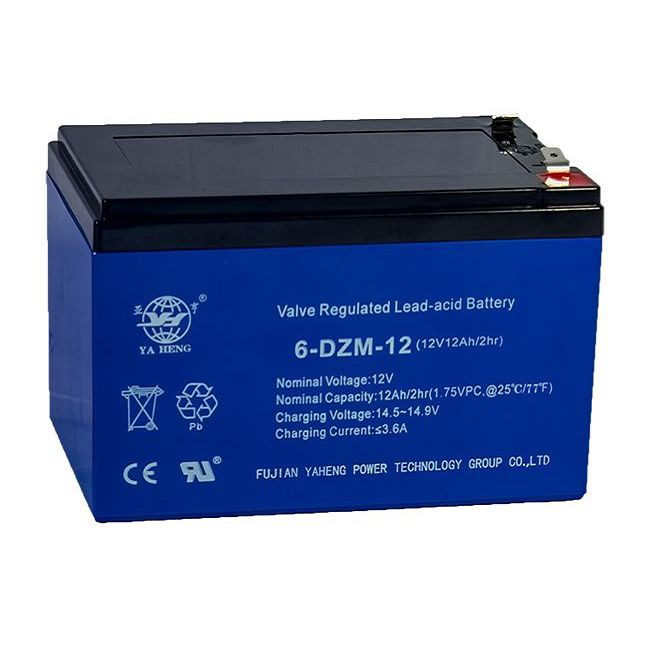
Maintenance-free wheelchair batteries, also known as sealed lead - acid (SLA) batteries, are designed to require minimal to no user maintenance. They are typically valve - regulated, which means they have a pressure - relief valve to release excess gas during charging. These batteries are constructed in a way that the electrolyte is immobilized, either in a gel or absorbed glass mat (AGM) form. This design not only prevents electrolyte leakage but also reduces the risk of corrosion and short - circuits. You can find a wide range of Wheel Chair Battery options on our website.
Maintenance - Required Wheel Chair Battery
Maintenance - required wheelchair batteries, on the other hand, are traditional flooded lead - acid batteries. They contain a liquid electrolyte solution (a mixture of sulfuric acid and water) that needs to be periodically checked and topped up with distilled water. These batteries are open - celled, allowing for the release of hydrogen and oxygen gases during charging. This process can lead to the evaporation of water from the electrolyte, which is why regular maintenance is necessary.
2. Performance and Lifespan
Performance
- Voltage Stability: Maintenance - free batteries generally offer more stable voltage output throughout their discharge cycle. This is because the immobilized electrolyte ensures a more consistent chemical reaction, providing a steady power supply to the wheelchair. In contrast, maintenance - required batteries may experience voltage fluctuations, especially as the electrolyte level drops or if the battery is not properly maintained.
- Charge Efficiency: Maintenance - free batteries are more efficient in charging. They can accept a higher charge current without the risk of excessive gassing, which means they can be recharged more quickly. Maintenance - required batteries, however, need to be charged at a slower rate to prevent overheating and excessive gas production.
Lifespan
- Usage Conditions: The lifespan of both types of batteries depends on various factors such as usage patterns, charging habits, and environmental conditions. Under normal conditions, maintenance - free batteries can last between 2 - 5 years. They are less susceptible to damage from overcharging or undercharging, which can extend their lifespan. Maintenance - required batteries, if properly maintained, can also last 2 - 5 years. However, neglecting maintenance tasks such as checking the electrolyte level can significantly reduce their lifespan.
- Depth of Discharge: Maintenance - free batteries can tolerate a deeper depth of discharge (DOD) compared to maintenance - required batteries. A deeper DOD means that the battery can be discharged to a lower state of charge without causing significant damage. This is an advantage for wheelchair users who may need to use the battery for longer periods between charges.
3. Safety and Convenience
Safety
- Gas Emission: Maintenance - free batteries produce less gas during charging, reducing the risk of hydrogen explosions in enclosed spaces. The sealed design also prevents electrolyte leakage, which can be corrosive and harmful to the wheelchair and the user. Maintenance - required batteries, due to their open - cell design, emit hydrogen and oxygen gases during charging. These gases are flammable and can pose a safety hazard if not properly ventilated.
- Electrolyte Spillage: There is a risk of electrolyte spillage in maintenance - required batteries, especially if the battery is tilted or damaged. This can cause damage to the wheelchair's electrical components and can be dangerous if it comes into contact with the user's skin or eyes. Maintenance - free batteries eliminate this risk due to their sealed construction.
Convenience
- Maintenance Effort: The most obvious advantage of maintenance - free batteries is the lack of maintenance required. Users do not need to check the electrolyte level or add distilled water, which saves time and effort. This is particularly beneficial for elderly or disabled users who may have difficulty performing maintenance tasks. Maintenance - required batteries, on the other hand, require regular maintenance, including checking the electrolyte level every few months and adding distilled water as needed.
- Portability: Maintenance - free batteries are generally lighter and more compact than maintenance - required batteries. This makes them more suitable for portable wheelchairs, as they do not add excessive weight and can be easily transported.
4. Cost Considerations
Initial Cost
- Maintenance - free batteries usually have a higher initial cost compared to maintenance - required batteries. This is due to the advanced technology and design features that make them maintenance - free. However, the higher cost may be offset by the long - term savings in maintenance costs and the potential for a longer lifespan.
Long - Term Cost
- When considering the long - term cost, maintenance - free batteries can be more cost - effective. Since they do not require regular maintenance, there are no additional costs for distilled water or the time spent on maintenance tasks. Additionally, their longer lifespan means that users may not need to replace the battery as frequently. Maintenance - required batteries, although cheaper initially, may incur additional costs over time due to maintenance and potential premature replacement if not properly maintained.
5. Application Suitability
Mobility Requirements
- For users who require a high degree of mobility and may not have easy access to maintenance facilities, maintenance - free batteries are the better choice. They can be used in various environments without the need for frequent maintenance checks. Maintenance - required batteries are more suitable for users who have a fixed charging and maintenance routine and can ensure that the battery is properly maintained.
Budget Constraints
- If budget is a major concern, maintenance - required batteries may be a more viable option. However, it's important to factor in the long - term costs associated with maintenance and potential replacement. For users who can afford the higher initial cost and value the convenience and performance of maintenance - free batteries, they are a worthwhile investment.
Conclusion
In summary, the choice between a maintenance - free and a maintenance - required wheelchair battery depends on several factors, including performance requirements, safety concerns, convenience, cost, and application suitability. As a Wheel Chair Battery supplier, we offer a wide range of both types of batteries to meet the diverse needs of our customers. Whether you're looking for a hassle - free solution with our maintenance - free Electric Wheel Chair Battery or a more budget - friendly option with our maintenance - required batteries, we can provide you with the right product.

If you're interested in learning more about our wheelchair batteries or would like to discuss your specific requirements, we encourage you to contact us for a detailed consultation. Our team of experts is ready to assist you in making the best choice for your wheelchair battery needs.
References
- Battery University: A comprehensive resource for battery technology and information.
- Industry reports on wheelchair battery performance and market trends.


