

When it comes to equipping your RV with the right power management components, understanding the difference between a battery isolator and a power isolator is crucial. As an RV Power supplier, I've seen firsthand how these two devices play distinct but complementary roles in ensuring a reliable and efficient power supply for your recreational vehicle. In this blog post, I'll delve into the technical aspects of battery isolators and power isolators, explore their applications in an RV setting, and help you determine which one is best suited for your specific needs.
What is a Battery Isolator?
A battery isolator is a device that allows multiple batteries to be charged simultaneously from a single power source, such as an alternator or a solar panel, while preventing the batteries from discharging into each other. This is particularly useful in an RV, where you may have a starting battery for the engine and a house battery for powering appliances and accessories.
The primary function of a battery isolator is to isolate the electrical systems of the different batteries, ensuring that each battery maintains its own charge level. This is achieved through the use of diodes or solid-state switches, which allow current to flow in one direction only. When the charging source is active, the isolator allows the current to flow from the source to all connected batteries, charging them simultaneously. Once the charging source is turned off, the isolator prevents the batteries from discharging into each other, preserving their individual charge levels.
One of the key advantages of using a battery isolator in an RV is that it helps to extend the life of your batteries. By preventing overcharging and undercharging, the isolator ensures that each battery operates within its optimal voltage range, reducing the risk of damage and premature failure. Additionally, a battery isolator allows you to use multiple batteries to increase your overall power storage capacity, providing you with more energy for your RV's electrical systems.
What is a Power Isolator?
A power isolator, on the other hand, is a device that is used to isolate a specific electrical circuit or load from the rest of the electrical system. In an RV, a power isolator can be used to protect sensitive electronic equipment, such as a GPS system or a satellite TV receiver, from electrical interference and voltage fluctuations.
The main function of a power isolator is to provide a clean and stable power supply to the connected load, free from any electrical noise or interference. This is achieved through the use of filters, transformers, and other components that isolate the load from the main electrical system. By separating the load from the rest of the system, the power isolator ensures that any electrical disturbances or fluctuations in the main system do not affect the performance of the connected equipment.

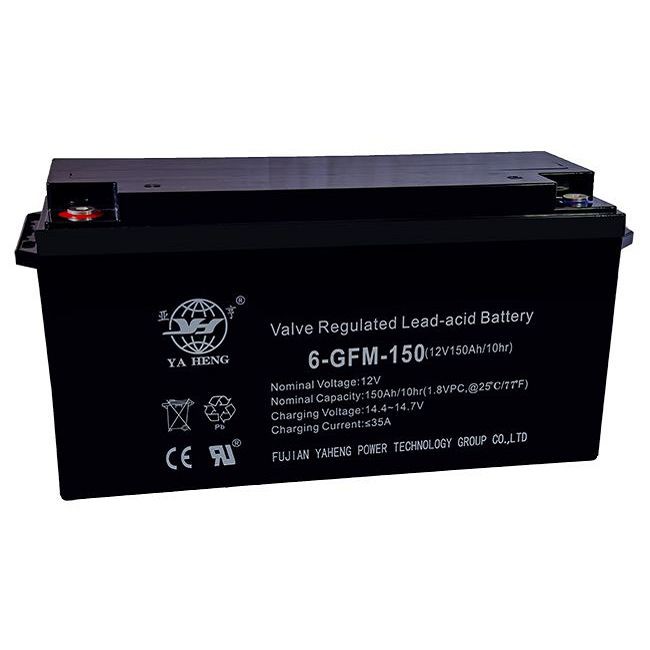
One of the key benefits of using a power isolator in an RV is that it helps to protect your valuable electronic equipment from damage. Electrical interference and voltage fluctuations can cause malfunctions, data loss, and even permanent damage to sensitive electronic components. By using a power isolator, you can ensure that your equipment receives a clean and stable power supply, reducing the risk of damage and ensuring reliable operation.
Key Differences between Battery Isolators and Power Isolators
While both battery isolators and power isolators are used to manage electrical power in an RV, there are several key differences between the two devices:
- Function: A battery isolator is primarily used to manage the charging and discharging of multiple batteries, while a power isolator is used to protect sensitive electronic equipment from electrical interference and voltage fluctuations.
- Application: Battery isolators are typically used in the charging system of an RV, connecting the alternator or solar panel to multiple batteries. Power isolators, on the other hand, are used to isolate specific electrical circuits or loads from the main electrical system.
- Design: Battery isolators are designed to handle high currents and voltages, as they are responsible for charging multiple batteries. Power isolators, on the other hand, are designed to provide a clean and stable power supply to sensitive electronic equipment, and therefore require more sophisticated filtering and isolation components.
Choosing the Right Isolator for Your RV
When it comes to choosing between a battery isolator and a power isolator for your RV, it's important to consider your specific needs and requirements. Here are some factors to keep in mind:
- Power Requirements: If you need to charge multiple batteries simultaneously, a battery isolator is the way to go. If you have sensitive electronic equipment that needs to be protected from electrical interference, a power isolator is the better choice.
- Budget: Battery isolators are generally more affordable than power isolators, as they are simpler in design and do not require as many sophisticated components. However, if you have high-end electronic equipment that needs to be protected, investing in a quality power isolator may be worth the extra cost.
- Installation: Battery isolators are relatively easy to install, as they typically require only a few connections to the charging source and the batteries. Power isolators, on the other hand, may require more complex installation, as they need to be connected to the specific electrical circuit or load that needs to be protected.
As an RV Power supplier, I can help you choose the right isolator for your RV based on your specific needs and requirements. Whether you're looking for a battery isolator to manage your battery charging system or a power isolator to protect your sensitive electronic equipment, I have a wide range of products to choose from.
Conclusion
In conclusion, understanding the difference between a battery isolator and a power isolator is essential for anyone looking to equip their RV with a reliable and efficient power management system. While both devices play important roles in ensuring a stable and clean power supply, they have distinct functions and applications. By choosing the right isolator for your specific needs, you can extend the life of your batteries, protect your valuable electronic equipment, and enjoy a more comfortable and convenient RV experience.
If you're interested in learning more about battery isolators, power isolators, or any other RV Power products, I encourage you to contact me to discuss your options. I'm here to help you find the right solutions for your RV power needs and ensure that you have a safe and enjoyable journey on the road.
References
- Anderson, N. (2020). RV Electrical Systems: A Comprehensive Guide. MotorHome Magazine.
- Campman, T. (2019). Understanding Battery Isolators and Their Role in RV Power Systems. RV Travel.
- Smith, J. (2021). Power Isolators: Protecting Your RV's Electronic Equipment. Trailer Life.


