

When it comes to outdoor adventures, having a reliable power source is crucial. A Camper Power Bank is a must - have for campers, RV enthusiasts, and anyone who loves spending time in the great outdoors. As a supplier of Camper Power Banks, I am often asked about the battery types used in these essential devices. In this blog, I'll delve into the different battery types for Camper Power Banks, their pros and cons, and how to choose the right one for your needs.
Lead - Acid Batteries
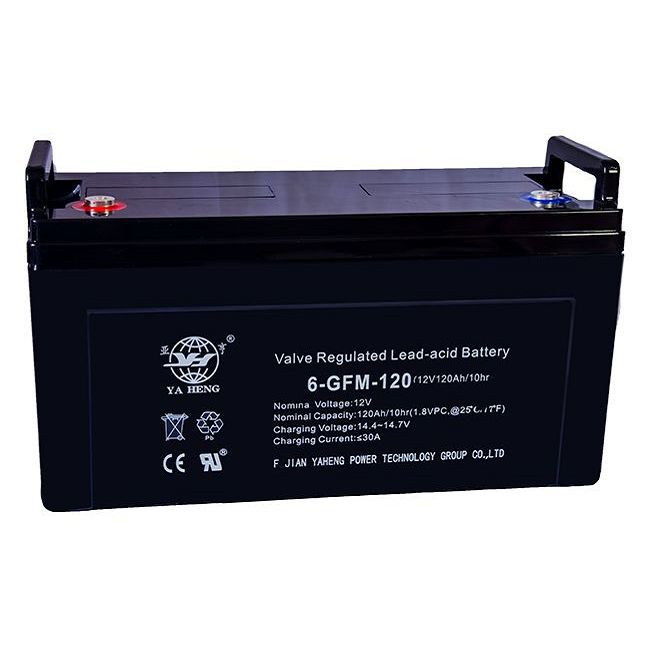
Lead - acid batteries have been around for a long time and are one of the most common battery types used in various applications, including some Camper Power Banks. There are two main subtypes: flooded lead - acid (FLA) and sealed lead - acid (SLA), with SLA further divided into absorbed glass mat (AGM) and gel batteries.
Flooded Lead - Acid (FLA) Batteries
FLA batteries are the traditional type of lead - acid batteries. They consist of a series of lead plates submerged in an electrolyte solution of sulfuric acid and water. These batteries are relatively inexpensive and have a high surge current capacity, which means they can deliver a large amount of power quickly. This makes them suitable for applications that require a sudden burst of energy, such as starting a motor.
However, FLA batteries have some significant drawbacks. They require regular maintenance, including checking and topping up the electrolyte levels. They also need to be installed in an upright position to prevent the electrolyte from spilling. Additionally, they produce hydrogen gas during charging, which is flammable, so proper ventilation is essential.
Sealed Lead - Acid (SLA) Batteries
- Absorbed Glass Mat (AGM) Batteries: AGM batteries use a fiberglass mat to absorb the electrolyte, which makes them spill - proof and maintenance - free. They have a lower self - discharge rate compared to FLA batteries, meaning they can hold their charge for longer periods when not in use. AGM batteries also have a good cycle life and can withstand deep discharges better than FLA batteries. They are more vibration - resistant, making them a good choice for mobile applications like camper power banks.
- Gel Batteries: Gel batteries use a silica gel to immobilize the electrolyte. They are also maintenance - free and have a long service life. Gel batteries are less prone to sulfation, a common problem in lead - acid batteries that can reduce their capacity over time. However, they are more sensitive to overcharging and high temperatures, and they are generally more expensive than AGM batteries.
Lithium - Ion Batteries
Lithium - ion batteries have become increasingly popular in recent years, and they are now a common choice for Camper Power Banks. There are several types of lithium - ion batteries, including lithium cobalt oxide (LiCoO₂), lithium manganese oxide (LiMn₂O₄), lithium iron phosphate (LiFePO₄), and lithium nickel manganese cobalt oxide (LiNiMnCoO₂ or NMC).
Lithium Iron Phosphate (LiFePO₄) Batteries
LiFePO₄ batteries are one of the best options for Camper Power Banks. They have a high energy density, which means they can store a large amount of energy in a relatively small and lightweight package. This is a significant advantage for campers who need to carry their power banks around.
LiFePO₄ batteries also have a long cycle life, often capable of 2000 - 3000 charge - discharge cycles or more. They are very safe, with a lower risk of thermal runaway and combustion compared to other lithium - ion battery chemistries. They can operate over a wide temperature range, making them suitable for outdoor use in various climates. However, they are more expensive than lead - acid batteries.
Other Lithium - Ion Chemistries
- Lithium cobalt oxide (LiCoO₂) batteries have a high energy density but are less stable and have a shorter cycle life compared to LiFePO₄ batteries. They are commonly used in consumer electronics but are not as suitable for high - power applications like Camper Power Banks.
- Lithium manganese oxide (LiMn₂O₄) batteries have a lower energy density than LiCoO₂ but are more stable and have a longer cycle life. They are often used in power tools and some electric vehicles.
- Lithium nickel manganese cobalt oxide (NMC) batteries offer a good balance between energy density, power output, and cycle life. They are widely used in electric vehicles and are also finding their way into Camper Power Banks.
Nickel - Metal Hydride (NiMH) Batteries
NiMH batteries were once a popular alternative to lead - acid and lithium - ion batteries. They have a higher energy density than lead - acid batteries and are more environmentally friendly than some other battery chemistries. NiMH batteries can handle a large number of charge - discharge cycles and are relatively safe.

However, NiMH batteries have a high self - discharge rate, which means they lose their charge quickly when not in use. They also have a lower energy density compared to lithium - ion batteries, so they are bulkier and heavier for the same amount of stored energy. As a result, they are not as commonly used in modern Camper Power Banks.
Choosing the Right Battery Type for Your Camper Power Bank
When choosing a Camper Power Bank, several factors should be considered to determine the best battery type for your needs:
- Capacity: If you need to power multiple devices for an extended period, a battery with a high energy density, such as a lithium - ion battery, is a better choice.
- Weight and Size: For portability, lithium - ion batteries are generally the best option due to their high energy - to - weight ratio.
- Budget: Lead - acid batteries are usually the most affordable option, but they may require more maintenance and have a shorter lifespan compared to lithium - ion batteries.
- Usage Conditions: If you plan to use your power bank in extreme temperatures, lithium - ion batteries, especially LiFePO₄, are more suitable as they can operate over a wider temperature range.
As a supplier of Camper Power Bank, we offer a wide range of power banks with different battery types to meet the diverse needs of our customers. Whether you are looking for a budget - friendly option with lead - acid batteries or a high - performance, lightweight power bank with lithium - ion batteries, we have the right product for you.
In addition to Camper Power Banks, we also supply RV Power solutions and UPS Power Station for various applications. Our products are designed to provide reliable and efficient power, ensuring that you never run out of energy during your outdoor adventures or in case of power outages.
If you are interested in purchasing a Camper Power Bank or any of our other power products, we invite you to contact us for more information and to discuss your specific requirements. Our team of experts is ready to assist you in choosing the right battery type and power solution for your needs.
References
- Linden, D., & Reddy, T. B. (2002). Handbook of Batteries. McGraw - Hill.
- Koksbang, R. (2017). Battery Technology Handbook. Elsevier.
- "Battery University." A wealth of information on battery technologies and their applications.


