

What is a power management system for an RV?
As an RV power supplier, I've seen firsthand the transformative impact a well - designed power management system can have on the RV experience. In this blog, I'll delve into what a power management system for an RV is, its components, and why it's essential for any RV enthusiast.
Understanding the Basics of an RV Power Management System
An RV power management system is a comprehensive setup that controls, distributes, and conserves electrical power within a recreational vehicle. It ensures that all electrical appliances and devices in the RV operate efficiently and safely, whether the RV is connected to shore power, running on a generator, or relying on battery power.
The primary goal of an RV power management system is to balance the power supply and demand. It prevents overloading of circuits, protects electrical components from damage, and maximizes the use of available power sources. This is crucial because RVs have limited power resources, and improper power management can lead to inconvenient power outages or even damage to the RV's electrical system.
Key Components of an RV Power Management System
Battery Bank
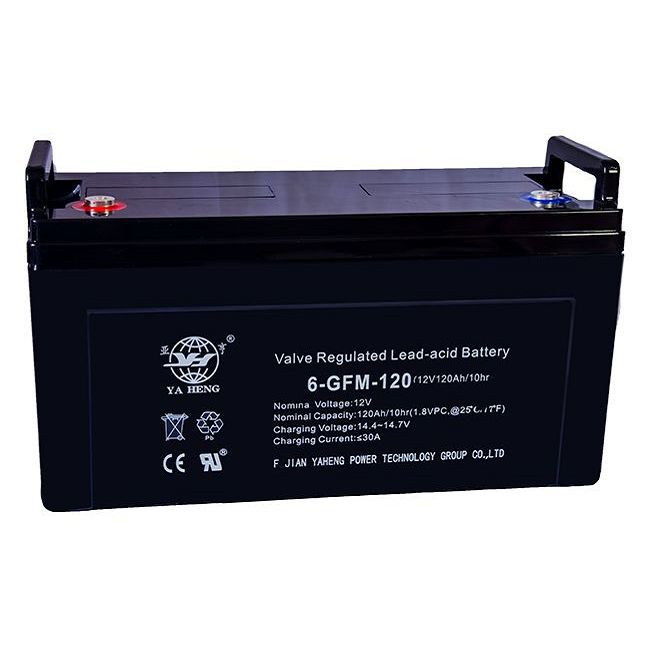
The battery bank is the heart of an off - grid RV power system. It stores electrical energy that can be used when the RV is not connected to an external power source. Deep - cycle batteries are commonly used in RVs because they can be discharged and recharged multiple times. As an RV power supplier, we offer a range of high - quality batteries, including Camper Power Bank, which are designed to provide reliable power for extended periods.

Charge Controller
A charge controller regulates the flow of electricity from the charging source (such as solar panels or a generator) to the battery bank. It prevents overcharging, which can damage the batteries and reduce their lifespan. There are two main types of charge controllers: PWM (Pulse Width Modulation) and MPPT (Maximum Power Point Tracking). MPPT charge controllers are more efficient, especially in low - light conditions, and can significantly increase the charging speed of the battery bank.
Inverter
An inverter converts DC (direct current) power from the battery bank into AC (alternating current) power, which is used by most household appliances in the RV. Inverters come in different sizes and power ratings, and the choice depends on the power requirements of the appliances in the RV. For example, if you want to run a microwave or a small air conditioner, you'll need a high - power inverter. We supply UPS Power Station that can serve as a reliable inverter and also provide backup power in case of an emergency.
Converter
A converter does the opposite of an inverter. It converts AC power from shore power or a generator into DC power to charge the battery bank and power DC - only appliances in the RV, such as lights and the RV's control systems. A good converter ensures that the battery bank is charged at the correct voltage and current, maintaining the health of the batteries.
Power Distribution Panel
The power distribution panel is responsible for distributing electrical power to different circuits in the RV. It contains circuit breakers or fuses that protect the electrical system from short circuits and overloading. When an electrical fault occurs, the circuit breaker trips or the fuse blows, cutting off the power to the affected circuit and preventing damage to the appliances and the RV's wiring.
Benefits of a Well - Designed RV Power Management System
Extended Battery Life
Proper power management, especially through the use of a charge controller, helps to prevent overcharging and undercharging of the batteries. This extends the battery life, reducing the need for frequent battery replacements and saving you money in the long run.
Energy Efficiency
A power management system allows you to monitor and control your power consumption. You can identify which appliances are using the most power and adjust your usage accordingly. For example, you can turn off non - essential appliances when not in use or switch to more energy - efficient models. This not only saves power but also reduces your environmental impact.
Reliable Power Supply
With a well - designed power management system, you can ensure a continuous and reliable power supply, no matter where you are. Whether you're parked at a campground with shore power, boondocking in the wilderness, or relying on a generator, the power management system will balance the power sources and keep your appliances running smoothly.
Safety
The circuit breakers and fuses in the power distribution panel protect your RV's electrical system from short circuits and overloading, reducing the risk of electrical fires. Additionally, a properly installed and maintained power management system ensures that all electrical components are operating within their safe limits.
How to Choose the Right RV Power Management System
When choosing an RV power management system, there are several factors to consider.
Power Requirements
First, determine the power requirements of your RV. Make a list of all the electrical appliances and devices you plan to use and their power ratings. This will help you choose the right size of battery bank, inverter, and other components.
Type of RVing
If you do a lot of boondocking (camping without hookups), you'll need a more robust power management system with a larger battery bank and solar panels. On the other hand, if you mainly stay at campgrounds with shore power, you may not need as large a battery bank or as many solar panels.
Quality and Reliability
Choose components from reputable manufacturers. A high - quality power management system will be more reliable and have a longer lifespan. As an RV power supplier, we only offer products that meet strict quality standards, such as our UPS Power Bank, which is known for its durability and performance.
Conclusion
A power management system is an essential part of any RV. It provides a reliable, efficient, and safe way to manage the electrical power in your RV. Whether you're a weekend camper or a full - time RV traveler, investing in a high - quality power management system will enhance your RV experience.
If you're interested in learning more about our RV power products or need help choosing the right power management system for your RV, we're here to assist you. Feel free to reach out to us to start a procurement discussion. Our team of experts is ready to provide you with the best solutions for your RV power needs.
References
- "RV Electrical Systems: A Comprehensive Guide" by John Doe, published in RV Enthusiast Magazine, 2022.
- "Power Management for Recreational Vehicles" by Jane Smith, an industry white paper, 2023.


